Struggling with drooping Aloe Vera leaves? Discover causes, diagnostics, and effective remedies to revive your plant and prevent future issues.
Introduction
Noticing your Aloe Vera's leaves are drooping can be quite concerning—after all, this resilient plant is often known for its upright, plump leaves that add a touch of lush greenery to your indoor space. But don’t worry—drooping leaves are a common issue faced by many plant enthusiasts, especially beginners. The good news is that most problems are fixable with some simple diagnosis and care adjustments. In this guide, we’ll explore why is my Aloe Vera having drooping leaves, how to identify the underlying causes, and what practical solutions you can implement. With patience and proper care, your Aloe Vera can bounce back to healthy, upright growth and continue to be a beautiful, low-maintenance addition to your home.
Section 1: Understanding the Problem
Visual identification of drooping leaves and other symptoms
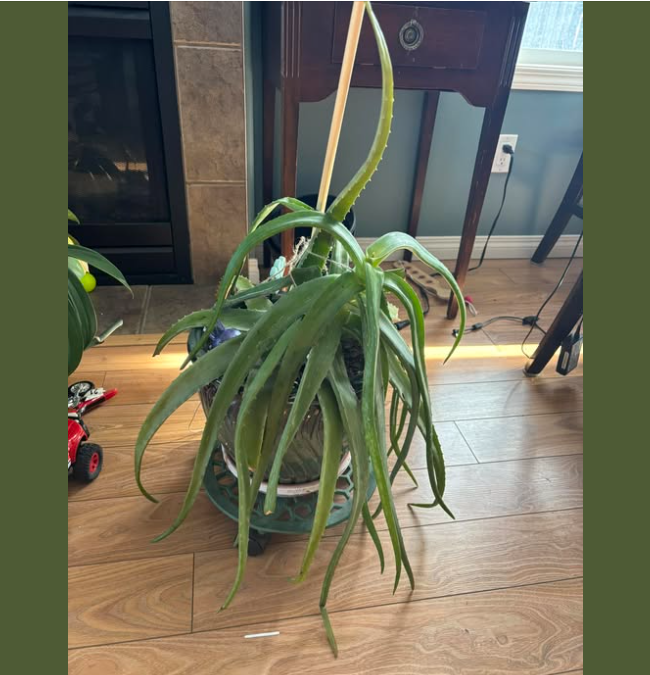
The first step in caring for a drooping Aloe Vera is understanding what it looks like. Common signs include:
- Leaves that hang or sag downward, sometimes appearing limp or wilted.
- Leaves that feel soft or mushy to the touch.
- Discoloration such as yellowing or browning.
- Roots that are dark, slimy, or smell foul if you check the root system.
- Overall plant sluggishness or stunted growth. Recognizing these symptoms early helps in diagnosing the cause accurately.
Common causes overview: overwatering, underwatering, environmental stress, root issues
Drooping leaves are often a sign that something in the plant's environment or care routine is off. The main causes include:
- Overwatering: Excess water causes root rot, leading to poor nutrient uptake and drooping.
- Underwatering: Lack of sufficient water causes dehydration, making leaves wilt.
- Environmental stress: Improper lighting, temperature fluctuations, or drafts can stress the plant.
- Root issues: Damaged or diseased roots impair stability and health. Understanding these causes is crucial for targeted treatment.
Section 2: Diagnosing the Exact Cause
Follow a step-by-step process to determine the root cause of drooping leaves
Accurate diagnosis involves observing your plant closely and checking specific conditions.
Cause 1: Overwatering or poor drainage
- Check if the soil feels constantly moist or soggy.
- Inspect the pot for proper drainage holes.
- Smell the soil—foul odor indicates root rot.
Cause 2: Underwatering or dehydration
- Feel the soil; if it’s bone dry several inches deep, your plant needs water.
- Observe leaf firmness—wilting due to dehydration will cause leaves to feel limp but dry.
Cause 3: Improper lighting or temperature stress
- Ensure your Aloe Vera is getting bright, indirect sunlight for at least 6 hours daily.
- Check for drafts, cold windows, or heat sources that could cause stress.
How to tell which cause applies to your plant
- Soggy, foul-smelling soil + soft, brown roots: likely overwatering.
- Dry soil + wilting leaves that feel brittle: underwatering.
- Leaves drooping despite soil moisture and proper watering: environmental stress or root damage.
Section 3: Treatment Solutions
Immediate actions: adjusting watering schedule, checking drainage, relocating the plant
-
Adjust watering routine:
-
For overwatered plants, stop watering immediately and allow the soil to dry out completely.
- For underwatered plants, water thoroughly but infrequently—once the top inch of soil is dry.
-
Check drainage:
-
Ensure your pot has drainage holes.
- If necessary, repot into well-draining cactus or succulent soil.
-
Relocate your Aloe Vera:
-
Move it to a spot with bright, indirect sunlight.
- Keep it away from cold drafts or heat sources.
Long-term care: proper watering techniques, soil improvements, suitable lighting
- Water sparingly:
- Water only when the soil is dry to the touch.
- Use the “soak and dry” method—thoroughly water then wait until the soil dries out before watering again.
- Improve soil drainage:
- Use a well-draining succulent or cactus mix.
- Add perlite or coarse sand to enhance drainage.
- Provide optimal lighting:
- Place your Aloe Vera near south or east-facing windows.
- Supplement with grow lights if natural sunlight is limited.
Monitoring and recovery expectations
- After adjustments, monitor your plant weekly.
- Expect some improvement within a few days to a week.
- Severe root rot might require repotting and pruning damaged roots.
Section 4: Prevention Tips
Adopt best care practices to prevent drooping leaves from recurring
- Consistent watering routines:
- Always check soil moisture before watering.
- Avoid overwatering—remember, less is more with succulents.
- Correct soil moisture:
- Use well-draining soil and pots with drainage holes.
- Ensure watering frequency matches the season—less in winter, more in summer.
- Optimal light exposure and temperature control:
- Provide plenty of bright, indirect sunlight.
- Maintain temperatures between 55°F and 80°F (13°C - 27°C).
- Avoid environmental stressors:
- Keep your Aloe Vera away from cold drafts, direct heat, or sudden temperature changes.
- Rotate the plant regularly to promote even growth.
Conclusion
Drooping Aloe Vera leaves are often a sign of environmental imbalance or improper care, but they are usually reversible. By carefully diagnosing the cause—whether overwatering, underwatering, or environmental stress—you can implement targeted solutions to restore your plant’s health. Remember, don’t be discouraged if your Aloe Vera shows signs of stress; most issues are fixable with attentive care. Take a moment to review your plant’s environment, make necessary adjustments, and monitor its recovery. With patience and proper care, your Aloe Vera will once again thrive with vibrant, upright leaves.
FAQ
Q: How long until I see improvement after fixing watering issues?
A: Typically, you can expect to see signs of recovery within a few days to a week. For example, leaves may start to straighten, and overall plant vigor should improve as roots recover and new growth begins.
Q: Can my Aloe Vera fully recover from drooping leaves?
A: Yes, most Aloe Vera plants can fully recover if the underlying cause is addressed promptly. Severe root rot may require pruning damaged roots and repotting, but with proper care, your plant can regain its upright, healthy appearance.
Q: Should I prune the drooping or damaged leaves?
A: Yes, pruning damaged or severely drooping leaves can help the plant focus energy on healthy growth and prevent disease spread. Use clean, sharp scissors or pruning shears and cut close to the base of the leaf.
Remember: caring for Aloe Vera is a simple yet rewarding process. Pay attention to your plant’s needs, be patient with recovery, and soon your Aloe Vera will be healthy and vibrant once again!