Introduction
Noticing your Philodendron’s leaves are drooping can be quite alarming—after all, healthy leaves are a sign of a thriving plant. But don’t worry; this issue is quite common among indoor plant enthusiasts, especially those new to caring for this beautiful tropical greenery. Drooping leaves can signal various underlying problems, from watering mistakes to environmental stressors.
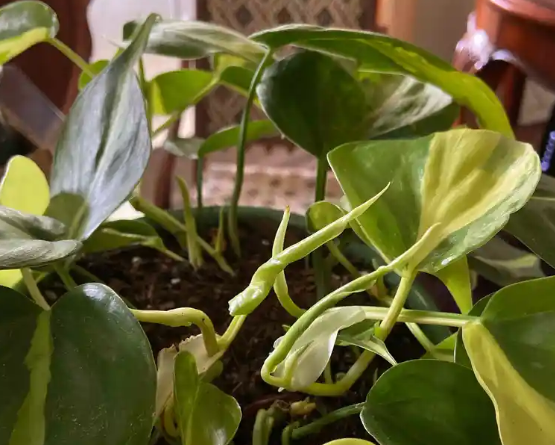
This article will guide you through understanding why your Philodendron might be experiencing drooping leaves, help you diagnose the specific cause, and offer effective solutions to revive your plant’s vibrancy. With the right care adjustments and a little patience, you can bring your beloved plant back to a lush, healthy state.
Understanding the Problem
Visual Identification
First, take a close look at your Philodendron’s leaves. Are they limp, sagging, or soft to the touch? Do they appear discolored or mushy? These physical clues help diagnose the problem:
- Limp, soft leaves: Often indicate overwatering or underwatering.
- Discolored or yellowing: May suggest poor drainage, nutrient deficiencies, or environmental stress.
- Wilting yet dry soil: Usually a sign of underwatering.
Common Causes Overview
Drooping leaves aren’t random; they reflect the plant’s reaction to its environment or care routine. The most frequent causes include:
- Overwatering, leading to root rot.
- Underwatering, causing dehydration.
- Low humidity or drafts that stress the plant.
- Improper lighting, either too much direct sun or insufficient light.
- Temperature stress—exposure to cold drafts or fluctuating temperatures. Understanding these causes sets the foundation for accurate diagnosis and effective treatment.
Diagnosing the Exact Cause
Step 1: Check Soil Moisture
Insert your finger about 1-2 inches into the soil:
- If it feels wet or soggy, overwatering is likely.
- If it’s dry, underwatering might be the issue.
Step 2: Examine the Roots
Gently remove the plant from its pot to inspect the roots:
- Healthy roots are white or light tan and firm.
- Brown, black, or mushy roots indicate root rot caused by overwatering.
Step 3: Assess Environmental Conditions
- Humidity: Philodendrons favor humidity levels around 60-80%. Use a hygrometer to check.
- Temperature: Ideal range is between 65°F and 80°F. Avoid cold drafts or sudden temperature drops.
- Lighting: Bright, indirect light is best. Direct sunlight can scorch leaves, while too little light causes stretching and drooping.
How to tell which cause it is:
- Overwatered: Soggy soil, root rot, and soft, discolored roots.
- Underwatered: Dry soil, crispy or wilted leaves.
- Low humidity/drafts: Leaves may wilt, especially during dry seasons or near vents.
- Improper light: Leaves may become pale, elongated, or droop due to insufficient light. Accurate diagnosis helps ensure you apply the right treatment, preventing further stress and damage.
Treatment Solutions
Immediate Actions
- Adjust watering schedule: Allow the soil to dry out completely before watering again. During the growing season, water when the top inch feels dry.
- Improve humidity: Place a humidifier nearby, group your plants together, or set the pot on a pebble tray with water.
- Relocate to better lighting: Move your Philodendron to a spot with bright, indirect sunlight, away from harsh direct rays or cold drafts.
Long-Term Treatment Plan
- Repot if root rot is present: Use a well-draining soil mix designed for tropical plants, and prune away any rotten roots.
- Maintain stable environmental conditions: Keep the temperature consistent and avoid sudden changes.
- Fertilize appropriately: During spring and summer, feed with a balanced, water-soluble fertilizer every 4-6 weeks.
Recovery Expectations
With prompt and proper care, many Philodendrons begin to recover within a few weeks. Watch for new leaf growth and improvements in leaf firmness as signs of revival.
Prevention Tips
Care Routine Adjustments
- Regular watering checks: Use your finger to test soil moisture before watering.
- Consistent humidity monitoring: Use a hygrometer and adjust as needed.
Environmental Factors
- Proper lighting: Place your Philodendron in bright, indirect light.
- Avoid drafts and temperature fluctuations: Keep it away from open windows, vents, or heaters.
- Maintain a stable environment: Consistent temperature and humidity encourage healthy growth.
Conclusion
Drooping leaves on your Philodendron are often a sign of environmental or care-related issues but are entirely fixable. Recognizing the clues and diagnosing the root cause allows you to apply targeted solutions that will help your plant recover and thrive. Remember, don’t despair—your plant is resilient, and with attentive care, it can bounce back to its lush, vibrant self. Keep observing, adjusting, and nurturing, and soon you'll enjoy a happy, healthy Philodendron that brightens your indoor space.
Next Steps
- Continue monitoring your plant’s condition regularly.
- Adjust your care routine based on seasons and environmental changes.
- Seek advice from local plant experts or online communities if you face persistent issues. Your verdant, leafy companion is worth the effort!
FAQs
Q: How long until I see improvement after changing watering habits?
A: Typically, you might start seeing signs of recovery within 1-2 weeks, such as firmer leaves and new growth. Consistency is key—ensure proper watering and environmental conditions are maintained.
Q: Can my Philodendron recover from root rot?
A: Yes, if caught early and addressed properly. Remove all affected roots, repot in fresh, well-draining soil, and avoid overwatering. With patience, your plant can regenerate healthy roots and foliage.
Q: Should I prune any drooping or damaged leaves?
A: Yes, pruning away severely drooping or damaged leaves can help redirect energy to healthy parts of the plant and improve overall appearance. Use clean, sharp scissors or pruning shears for clean cuts.
By understanding and addressing the causes of drooping leaves, you can help your Philodendron regain its lush, vibrant health. Happy gardening!