Quick Summary: Pale or yellowing leaves on your Pothos can be a sign of underlying issues like improper lighting, watering, or nutrient deficiencies. Luckily, with some simple adjustments, you can help your plant regain its vibrant, healthy look. This guide will walk you through diagnosing the problem, fixing it effectively, and preventing future issues so your Pothos stays lush and beautiful.
Introduction
Noticing your Pothos leaves losing their vibrant green can be worrying—especially when you’ve been lovingly caring for your plant. It’s natural to feel a bit anxious when your greenery isn’t looking its best, but don’t worry! Pale or yellowing leaves are common signs that something isn’t quite right, and they can usually be fixed with some straightforward care adjustments. Whether your plant has been struggling with light, watering, or nutrition, understanding the root cause is the first step. Many plant parents experience this issue at some point—the good news is that with a little patience and the right steps, your Pothos can bounce back to its lush, thriving self. In this article, we’ll explore why your Pothos might have pale leaves, how to diagnose the specific cause, and practical solutions to restore its health. Plus, you'll find tips on preventing this problem from happening again. Rest assured, your plant's vibrant, healthy foliage can be yours again with some simple care tweaks!
Section 1: Understanding the Problem
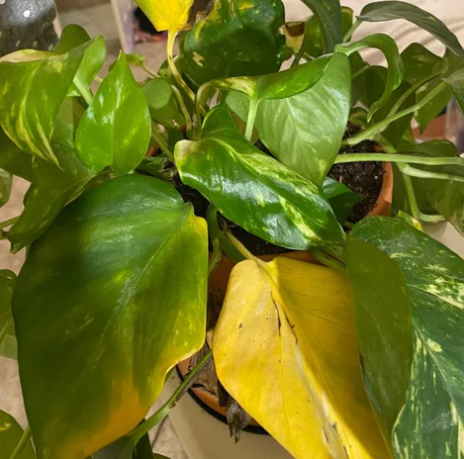
Pale or yellow leaves on a Pothos can signal several issues—it's important to recognize what the symptoms look like and what they mean.
Visual Identification of Pale or Yellow Leaves
- The leaves may lose their deep green hue, looking dull, washed out, or pale.
- Discoloration may start at the edges or spread across the leaf.
- In severe cases, leaves may turn yellow and drop prematurely.
Why It Matters
Healthy Pothos foliage indicates good overall care, while discoloration hints at environmental stressors or nutritional gaps. Ignoring these signs can lead to further decline or leaf drop, so early diagnosis is key.
Common Causes Overview
- Inadequate Light: Too little light can cause leaves to pale as the plant struggles to photosynthesize.
- Watering Problems: Overwatering or underwatering can stress the roots, leading to leaf discoloration.
- Nutrient Deficiencies: Lack of nitrogen or other essential nutrients causes leaves to lose their vibrant green.
- Too Much Direct Sunlight: Sunburn from harsh direct rays can bleach leaves, making them appear pale or translucent.
Section 2: Diagnosing the Exact Cause
To fix your Pothos, it’s vital to identify why its leaves are pale. Use this step-by-step checklist to pinpoint the cause:
Cause 1: Insufficient Light
- Symptoms: Pale, dull leaves with slower growth.
- How to Confirm: Check if your Pothos is placed in a low-light area (e.g., a corner, away from windows).
- Why It Happens: Pothos prefers bright, indirect light. Too little light hampers photosynthesis, leading to pale foliage.
Cause 2: Overwatering or Underwatering
- Symptoms: Wilting, soft stems, or pale leaves.
- How to Confirm: Feel the soil—if it's soggy or waterlogged, overwatering is likely; if dry and crusty, underwatering is probable.
- Why It Happens: Overwatering suffocates roots, causing root rot, while underwatering deprives the plant of necessary moisture, both stressing the leaves.
Cause 3: Nutrient Deficiency
- Symptoms: Pale or yellowing leaves, especially older ones.
- How to Confirm: Fertilization history—has your Pothos been fertilized recently? Use a soil test if needed.
- Why It Happens: A lack of nitrogen or other vital nutrients hampers chlorophyll production, causing leaves to pale.
How to Tell Which One It Is
- Observe the overall plant health: thinning or drooping stems may suggest watering issues.
- Check soil moisture with your finger or a moisture meter.
- Think about recent changes: Did you move the plant to a shadier spot? Or perhaps you’ve skipped fertilizing?
Section 3: Treatment Solutions
Once you've identified the cause, follow these targeted steps to revive your Pothos.
Immediate Actions (First 24-48 Hours)
1. Move to Better Light
- Place your Pothos in bright, indirect light—near a window with sheer curtains is ideal.
-
Avoid direct sunlight, which can scorch leaves. 2. Adjust Watering Habits
-
Check soil moisture. Water only when the top inch of soil feels dry.
-
Ensure your pot has good drainage to prevent water from sitting at the bottom. 3. Fertilize Carefully
-
Apply a balanced, water-soluble fertilizer (20-20-20) diluted to half strength.
- Do this during the active growing season (spring and summer).
Long-Term Treatment Plan
- Establish a consistent watering routine: water every 1-2 weeks, adjusting for season and environment.
- Optimize lighting: keep the plant in a spot with bright, indirect light all year.
- Incorporate Proper Fertilization: feed monthly during growth months with a balanced fertilizer.
During Recovery
- Monitor leaf color and soil moisture regularly.
- Prune any yellow or severely discolored leaves to redirect energy to healthy growth.
- Be patient: you might see signs of improvement within a few weeks.
Natural Remedies and Chemical Options
- For root health, gentle solutions like neem oil can deter pests, while hydrogen peroxide diluted at 3% can help clean root rot if needed.
- In cases of severe deficiency, use a complete houseplant fertilizer or consult a local nursery for tailored nutrients.
- Warning: Avoid overuse of chemicals—natural methods are safer and often just as effective.
Section 4: Prevention Tips
The best way to keep your Pothos lush and vibrant is through consistent, attentive care.
Care Routine Adjustments
- Place in Bright, Indirect Light: Aim for about 6-8 hours of filtered light daily to promote healthy green leaves.
- Water Properly: Check soil moisture bi-weekly and water only when the top inch is dry.
- Fertilize Monthly: During spring and summer with a balanced fertilizer, halving the dose if needed.
Environmental Factors
- Keep Pothos away from direct sun, which can scorch leaves.
- Ensure your pot has drainage holes; use high-quality, well-draining soil.
- Maintain consistent temperatures (65-80°F) and humidity levels to foster growth. Why these matter: Proper light, water, and nutrients create an ideal environment that prevents stress, discoloration, and potential pest issues.
Frequently Asked Questions
Q: How long until I see my Pothos' leaves turn back to normal?
A: Usually, within 2-4 weeks of correcting light, watering, and nutrition, you’ll notice new, healthy leaves. Existing pale leaves may not regain their color but can be pruned to encourage fresh growth.
Q: Can I save a severely pale or yellowing Pothos?
A: Yes! Remove the most affected leaves, adjust care conditions, and give your plant time to recover. Watch for new, vibrant leaves within a few weeks.
Q: Should I prune yellow leaves or wait for new growth?
A: It's best to prune off completely yellow or damaged leaves to prevent rot and redirect the plant's energy. This also encourages new, healthy foliage.
Conclusion
Key Takeaways:
- Pale leaves often result from inadequate light, watering issues, or nutrient deficiencies.
- Diagnose carefully by observing your plant’s environment and recent care routines.
- Correct the problem with improved lighting, adjusted watering, and proper fertilization.
- Regular preventive care keeps Pothos healthy, vibrant, and stress-free. Hang in there—your Pothos’ lush green revival is entirely within your control. With mindful adjustments, it can regain its beautiful, vibrant foliage. Start today by checking your plant’s light, watering habits, and nutrition, and take confident steps toward healthier, happier greenery!
Next steps:
Review your Pothos’ current location and watering schedule today. Make necessary improvements, and watch your plant flourish once again!