Discover why your Peace Lily's leaves become soft and learn how to fix the problem quickly with expert tips on diagnosis, treatment, and prevention.
Introduction
Noticing your Peace Lily's leaves turning soft or limp can be quite worrying—after all, a healthy plant usually sports lush, firm leaves. But don’t worry! In most cases, soft or drooping leaves are signs of manageable issues that, once addressed, can restore your plant’s vitality. In this guide, we’ll explore why your Peace Lily’s leaves become soft, how to diagnose the exact cause, and practical solutions to bring your plant back to life. Whether you're a beginner or have some experience with indoor plants, understanding these key factors empowers you to nurture a thriving Peace Lily. Remember—most problems are reversible with attentive care!
Section 1: Understanding the Problem
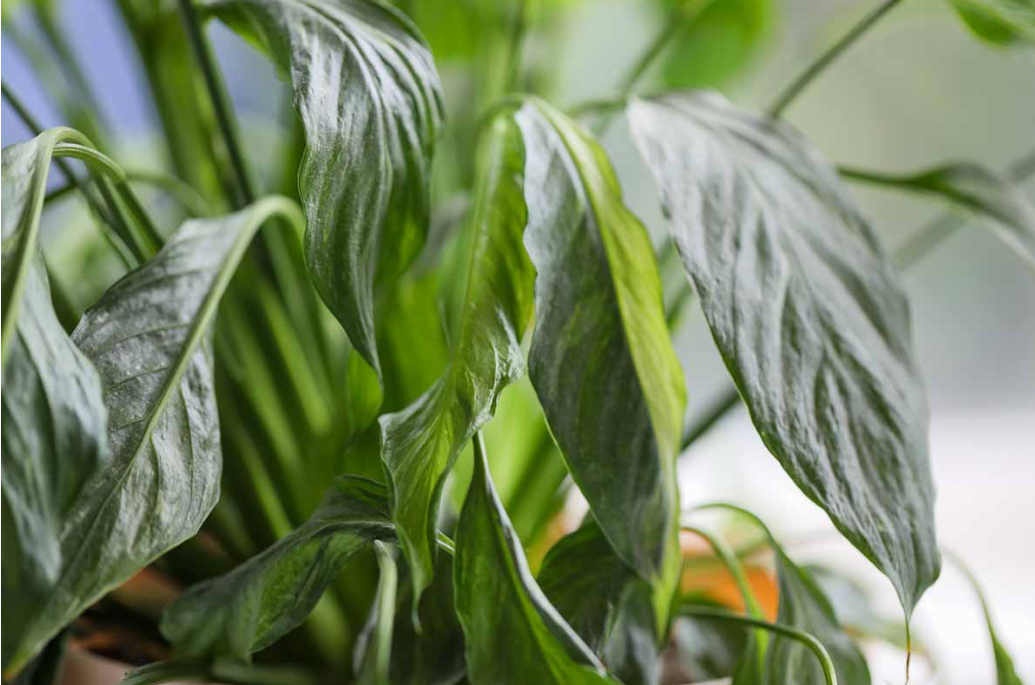
Visual identification of soft, drooping leaves
Soft, limp leaves are usually dull in appearance, often sagging or hanging limply rather than standing upright. They may feel waterlogged or spongy when touched, and sometimes, the edges can turn yellow or brown. Recognizing these signs early helps you catch issues before they worsen.
Overview of common causes: overwatering, underwatering, root problems, environmental stress
Several factors can cause your Peace Lily’s leaves to become soft:
- Overwatering: Excess water in the soil leads to root rot, hindering nutrient uptake and causing leaves to droop.
- Underwatering: Insufficient watering dehydrates the plant, resulting in limp, wilted leaves.
- Root problems: Damaged or rotted roots can't support the plant properly.
- Environmental stress: Low humidity, poor lighting, or temperature fluctuations can weaken the plant, leading to soft leaves. Understanding these causes will guide your diagnosis and treatment.
Section 2: Diagnosing the Exact Cause
Step-by-step approach to pinpoint what's causing the soft leaves
Accurately diagnosing the issue enables you to apply the most effective remedy. Here's how:
Cause 1: Overwatering leading to root rot
- Check the soil: Is it overly wet or soggy? Does it smell musty or foul?
- Inspect the roots: Carefully remove the plant from its pot. Healthy roots are white or light tan and firm; rotten roots are black, brown, slimy, or smell sour.
Cause 2: Underwatering or inconsistent watering
- Look for signs: Dry, brittle soil and leaves that feel limp but are not mushy.
- Touch and feel: Soil should be moist but not waterlogged. If it's bone-dry, your plant is dehydrated.
Cause 3: Environmental stress such as low humidity or poor lighting
- Check lighting: Is the plant receiving indirect, bright light? Too little light can weaken leaves.
- Assess humidity: Indoor air can be dry, especially in winter. Leaves may become limp if humidity is too low.
How to tell which cause applies to your plant
- Overwatering signs: Soggy soil, foul smell, rotted roots.
- Underwatering signs: Dry soil, leaf dehydration without rotting smell.
- Environmental issues: General weak appearance, brown leaf tips, and indication of poor light/humidity.
Section 3: Treatment Solutions
Once you've identified the cause, here are targeted solutions:
Immediate actions: adjust watering, inspect roots, increase humidity
- Stop watering temporarily if the soil is wet. Allow it to dry out before rewatering.
- Inspect the roots: Remove the plant from the pot and trim any rotted roots using sterilized pruning shears.
- Increase humidity: Mist the leaves daily, use a humidifier, or place a tray with water and pebbles beneath the pot to boost moisture.
Long-term treatment plan: proper watering schedule, repotting if root rot is suspected
- Establish a consistent watering routine: Water only when the top inch of soil feels dry.
- Ensure proper drainage: Use a well-draining potting mix and a pot with drainage holes.
- Repot if necessary: If root rot is present, repot the plant into fresh, well-draining soil, remove all rotted roots, and disinfect tools afterward.
Monitoring recovery: signs of improvement and when to seek professional help
- Watch for firm, upright leaves and new growth.
- Check soil moisture regularly to prevent future over- or under-watering.
- If no improvement occurs within a few weeks or the plant continues to decline, consider consulting a plant expert or arborist.
Section 4: Prevention Tips
Adjusting your watering routine and ensuring proper drainage
- Water thoroughly when the top inch of soil dries out.
- Use pots with drainage holes and high-quality, well-draining soil.
Maintaining appropriate humidity and lighting conditions
- Keep your Peace Lily in bright, indirect light.
- Aim for humidity levels above 50%, especially in dry indoor environments.
Regularly inspecting for early signs of problems
- Check leaves and soil weekly.
- Remove any dead or yellowing leaves promptly.
- Stay vigilant for early signs of pests or disease.
Conclusion
Restating the importance of proper watering, environment, and early diagnosis in keeping your Peace Lily healthy. Your Peace Lily’s soft or limp leaves are often signals that something needs your attention. Whether caused by overwatering, underwatering, or environmental factors, these issues are manageable once you understand the root cause. With attentive care, your Peace Lily can bounce back and thrive again. By adjusting your watering habits, optimizing light and humidity, and inspecting your plant regularly, you'll promote robust growth and keep your indoor oasis lush and healthy. Next steps? Implement the recommended care adjustments, keep monitoring your plant’s response, and enjoy the satisfaction of nurturing a beautiful, vibrant Peace Lily!
FAQ
Q: How long will it take for my Peace Lily to recover from soft leaves?
A: Recovery time varies depending on the cause. If the issue was overwatering or root rot, you might see improvement within a few weeks after treatment. Consistent care and proper conditions are key to a quicker recovery.
Q: Can I save my plant if the roots are rotted?
A: Yes, but prompt action is essential. Carefully prune away all rotted roots using sterilized tools, repot your plant into fresh, well-draining soil, and adjust your watering practices to prevent recurrence. Healthy roots can regrow if the plant is cared for properly.
Q: Should I prune the soft or drooping leaves?
A: Yes. Remove any severely wilted, yellow, or brown leaves to encourage new growth and prevent disease. Use clean, sharp scissors or pruning shears to make clean cuts close to the stem.
By understanding and addressing the causes behind soft leaves, you can ensure your Peace Lily remains a stunning, healthy addition to your indoor space. Happy gardening!