Learn how to identify, treat, and prevent root rot in your Jade Plant with expert tips for healthy, thriving succulents indoors.
Introduction
Noticing your Jade Plant's health decline can be worrying, especially when roots are involved. Root rot is a common issue faced by indoor plant enthusiasts, and it can threaten the vitality of your beloved succulent. The good news is that with prompt action and proper care, your Jade Plant can recover and flourish once again. In this article, we'll walk you through how to recognize root rot, diagnose its causes, and implement effective treatments and prevention strategies to keep your Jade Plant healthy.
Section 1: Understanding the Problem
Recognize the signs of root rot and understand why it occurs
Root rot in Jade Plants often develops quietly, but early signs can help you catch it before it causes irreversible damage.
Visual identification of root rot signs:
- Soft, brown roots: Healthy roots are firm and white or light-colored. When affected by rot, roots become mushy, dark brown, or black.
- Foul smell: A rotten or sour odor emanating from the soil or roots is a strong indicator of root decay.
- Wilting or yellowing leaves: These may occur even if the soil appears moist, suggesting root issues beneath the surface.
- Stunted growth: The plant may stop growing or appear weak and droopy.
Common causes:
- Overwatering: The leading cause; excess water drowns roots and creates a breeding ground for fungi.
- Poor drainage: Using a pot without drainage holes or heavy, poorly draining soil retains excess moisture.
- Overly moist soil: Even with proper watering, soil that doesn’t drain well causes water stagnation.
Section 2: Diagnosing the Exact Cause
Follow these steps to pinpoint what's causing your Jade Plant's root rot
Correct diagnosis is key to effective treatment. Here are some common causes and how to identify them:
Cause 1: Overwatering leading to waterlogged soil
- The soil remains wet for days after watering.
- The pot's drainage holes are clogged or inadequate.
Cause 2: Poor drainage in soil or pot
- Use of heavy, dense soil that retains water.
- Using a pot without drainage holes, causing water to pool.
Cause 3: Insufficient drying time between waterings
- Watering too frequently, especially during colder or less sunny seasons.
- Soil not drying out completely before the next watering.
How to tell which cause is affecting your plant:
-
Check the soil moisture: Stick your finger an inch into the soil; if it's consistently wet, overwatering is likely.
-
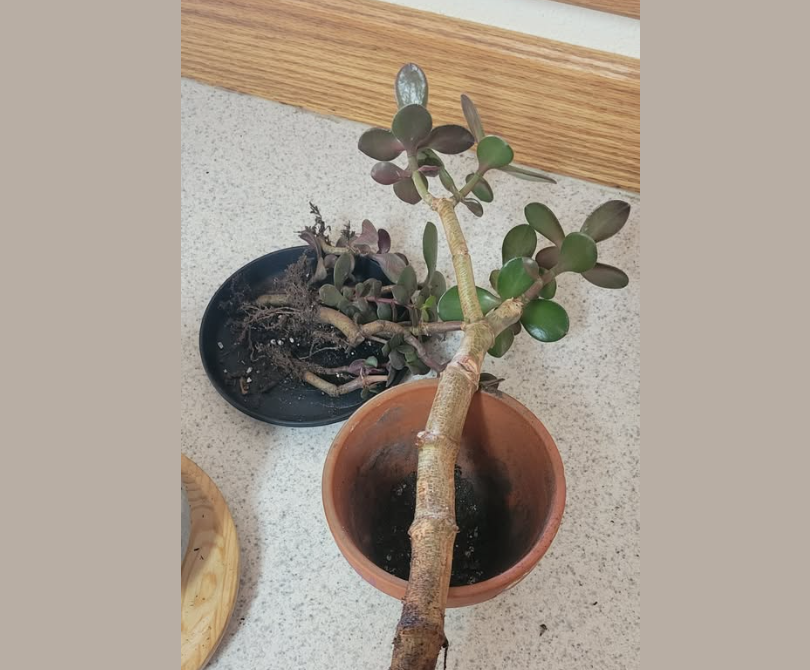
Inspect the roots: Gently remove the plant from its pot to observe root condition.
- Review watering schedule: Keep track of watering frequency and soil drying time.
Section 3: Treatment Solutions
Effective fixes to save your Jade Plant and promote healthy roots
Acting quickly can prevent irreversible damage. Here's what you should do:
Immediate actions: Gently remove the plant, inspect, and trim affected roots
- Carefully take the Jade Plant out of its pot.
- Shake off excess soil and examine roots.
- Using sterilized pruning shears, cut away all mushy, brown, or black roots—these are the rot-infected areas.
- Dispose of the affected roots and contaminated soil properly.
Disinfect tools and repot into fresh, well-draining soil
- Disinfect her tools with rubbing alcohol to prevent fungal spread.
- Select a pot with drainage holes—preferably clay or ceramic for better breathability.
- Use a well-draining soil mixture, such as a cactus or succulent mix, or an aroid-based mix with added sand or pumice.
Using natural remedies like cinnamon or fungicidal treatments if needed
- Dust the cut roots with cinnamon powder, a natural antifungal agent.
- Alternatively, apply a commercial fungicide designed for succulents, following the manufacturer’s instructions.
Long-term plan: Establish proper watering routine and soil conditions
- Water only when the top 1-2 inches of soil are thoroughly dried.
- Ensure the pot has adequate drainage.
- Keep the plant in bright, indirect light for optimal recovery.
Monitoring during recovery: what to expect and when to seek additional help
- Expect some leaf wilting initially but see new growth within a few weeks if conditions are corrected.
- If no improvement after a month, consider consulting a plant specialist or applying additional treatment.
Section 4: Prevention Tips
How to avoid root rot in your Jade Plant moving forward
Prevention is always better than cure. Here are key practices to keep your Jade Plant healthy:
Ensure proper watering
- Wait until the soil is completely dry before watering again.
- During winter or low-light periods, reduce watering frequency.
Use a pot with drainage holes and well-draining soil
- Choose containers explicitly designed for succulents.
- Incorporate coarse materials like pumice, perlite, or coarse sand into your soil mix for better drainage.
Maintain appropriate environmental conditions
- Place your Jade Plant in a bright location with indirect sunlight.
- Avoid excessive humidity—ensure good air circulation, especially indoors.
Regularly inspect roots and soil health
- Periodically check the soil moisture and look at roots when repotting.
- Remove any off-color roots or debris promptly to prevent the spread of rot.
Conclusion
Recap of identifying, treating, and preventing root rot
Root rot in Jade Plants is a common problem caused primarily by overwatering and poor drainage. Recognizing early signs like soft roots and foul odors allows you to intervene promptly. Through careful removal of affected roots, appropriate repotting, and changes to your watering habits, you can save your Jade Plant and restore its health.
Encouragement
With attentive care, your Jade Plant can recover and continue to bring beauty to your indoor space. Remember, patience and consistency are key.
Next steps
Implement the recommended watering, soil, and environmental practices. Keep a close eye on your plant’s progress, and don't hesitate to seek expert advice if needed. A healthy Jade Plant is well worth the effort!
FAQ
Q: How long until I see improvement after treatment?
A: Typically, you may notice signs of recovery within 2-4 weeks, such as new leaf growth and upright posture. Be patient and maintain proper care routines.
Q: Can my Jade Plant fully recover from severe root rot?
A: Yes, if the rot is limited and you remove all infected roots, your Jade Plant has a good chance of full recovery. Severe cases may require more time, but patience and proper care can still lead to a healthy plant.
Q: Should I prune all the roots—how much is too much?
A: Only remove the rotted, mushy roots. Healthy roots are firm and white. Pruning too much can stress the plant, so aim to retain healthy roots and only cut away affected areas.
Taking these steps will help you fix Jade Plant root rot effectively and ensure your succulent stays vibrant and healthy. Happy gardening!