Discover effective diagnostic steps and practical solutions to fix yellow leaves on your Spider Plant. Keep your plant healthy and vibrant with these tips.
Introduction
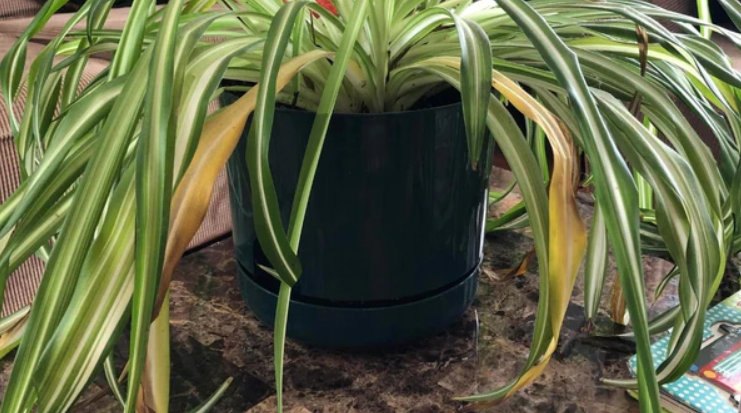
Noticing yellow leaves on your Spider Plant can be worrying, but don't fret—it's a common issue faced by many plant enthusiasts. Whether you're a beginner or have some experience caring for indoor plants, yellowing leaves often indicate a problem that can be corrected with simple adjustments. This guide will walk you through understanding why your Spider Plant's leaves turn yellow, how to diagnose the exact cause, and practical solutions to revive its health. Most problems are easily fixable, and with a little patience, your Spider Plant can bounce back to its lush, vibrant self.
Section 1: Understanding the Problem
Learn How Yellowing Leaves Manifest and Why They Occur in Spider Plants
Yellow leaves on a Spider Plant typically appear as pale, translucent, or discolored foliage. They may start at the tips or along the edges, sometimes progressing to the entire leaf. Recognizing these signs early can prevent more severe damage and help you take appropriate measures.
Visual Identification: Recognizing Yellow, Pale, or Translucent Leaves
- Yellow or pale leaves: Usually appear at the tips or edges but can spread across the leaf.
- Translucent or soggy leaves: Sign of excess water or root problems.
- Wilted leaves: Often related to water stress.
- Brown tips combined with yellowing: Indicates multiple issues, such as humidity or nutrient imbalance.
Common Causes Overview: Overwatering, Inconsistent Watering, Light Issues, Nutrient Deficiencies
Several factors can lead to yellow leaves in your Spider Plant, including:
- Overwatering or poor drainage
- Inconsistent watering schedules
- Insufficient or direct sunlight
- Nutrient deficiencies, especially nitrogen or iron
- Environmental stresses like low humidity or temperature fluctuations Understanding these causes helps you approach the problem systematically.
Section 2: Diagnosing the Exact Cause
Follow a Step-by-Step Process to Pinpoint the Reason Behind Yellow Leaves
Diagnosing whether overwatering, light deficiencies, or nutritional issues are affecting your plant is crucial. Let’s explore how to identify each cause.
Cause 1: Overwatering or Poor Drainage Leading to Root Problems
Symptoms:
- Soft, mushy roots when checked
- Soil staying constantly wet
-
Yellowing leaves, especially from the bottom How to diagnose:
-
Gently remove the plant from its pot.
- Inspect the roots—healthy roots are white and firm.
- Check soil moisture—if it remains wet for days, overwatering is likely.
Cause 2: Inadequate Light or Direct Sun Exposure
Symptoms:
- Pale, yellow leaves due to insufficient light
-
Yellowing on the side facing light if exposed to direct sun How to diagnose:
-
Observe the plant’s location:
- Is it in a low-light corner?
- Is it receiving direct sunlight for extended periods?
- Adjust placement accordingly.
Cause 3: Nutritional Deficiencies or Fertilizer Imbalance
Symptoms:
- General yellowing, especially in new leaves
-
Poor overall growth How to diagnose:
-
Consider fertilization history:
- Has it been fertilized in the last few months?
- Is the fertilizer balanced?
- Lack of vital nutrients like nitrogen can cause yellowing.
How to Tell Which Cause Applies to Your Plant
- Check the soil moisture: Excessive wetness points to overwatering.
- Assess the light: Lack of bright, indirect light or too much direct sun.
- Examine the leaves: Are they uniformly yellow or only on certain parts?
- Inspect the roots: Mushy roots indicate root rot from overwatering.
- Review fertilization: Has your plant been adequately fed? By combining these observations, you'll accurately identify your plant’s specific problem.
Section 3: Treatment Solutions
Specific Remedies Tailored to Each Cause to Restore Your Spider Plant’s Health
Once you’ve pinpointed the cause, take targeted action to fix the issue.
Immediate Actions to Take
- Adjust watering:
- Reduce frequency if overwatering.
- Allow the soil to dry out between waterings.
- Ensure your pot has adequate drainage holes.
- Relocate your plant:
- Move it to a spot with bright, indirect sunlight.
- Avoid direct sun, which can scorch leaves.
- Check drainage:
- Repot with well-draining soil if necessary.
- Remove any standing water from saucers.
Long-Term Treatment Plan
- Proper fertilization:
- Use a balanced houseplant fertilizer every 4-6 weeks during the growing season.
- Avoid overfeeding, which can cause further leaf yellowing.
- Establish a consistent watering schedule:
- Water only when the top inch of soil feels dry.
- Maintain a regular routine instead of sporadic watering.
- Provide optimal lighting:
- Place your Spider Plant near a bright window with filtered light.
- Use sheer curtains to diffuse harsh direct sunlight.
What to Expect During Recovery
- You should see new healthy green leaves emerging within a few weeks.
- Existing yellow leaves may not turn green again, so prune them for aesthetic and plant health reasons.
- Consistency in care will significantly improve the plant’s overall vitality.
Section 4: Prevention Tips
Simple Steps to Prevent Yellowing Leaves in the Future
Prevention is the best cure. Incorporate these easy practices into your routine:
- Maintain consistent watering:
- Avoid overwatering; let soil dry slightly between waterings.
- Ensure adequate but not direct sunlight:
- Bright, indirect light is ideal for Spider Plants.
- Use a balanced fertilizer periodically:
- Feed your plant in spring and summer.
- Monitor environmental factors:
- Keep humidity levels moderate.
- Avoid sudden temperature fluctuations. By following these preventive measures, you can keep your Spider Plant vibrant and healthy, minimizing unsightly yellow leaves.
Conclusion
Recap of Diagnosis and Treatment Steps to Revive Your Yellow-Leaf Spider Plant
Yellow leaves on your Spider Plant are a sign that something isn’t quite right, but they are also an opportunity to understand your plant’s needs better. Start by accurately diagnosing whether overwatering, light deficiency, or nutrient imbalance is causing the yellowing. Address the root cause with tailored solutions—adjust watering habits, optimize lighting, and ensure proper nutrition.
Encouragement
Remember, most issues are easy to remedy with attentive care. Your Spider Plant is resilient, and with some small adjustments, it can recover quickly and thrive.
Next Steps
Implement the recommended care changes, keep observing your plant’s response, and enjoy the process of nurturing your indoor garden. Soon, your Spider Plant will regain its lush, green glory, becoming a joyful centerpiece in your home.
FAQ
Q: How long until I see improvement in my Spider Plant's leaves?
A: Typically, you can expect to see signs of recovery within 2 to 4 weeks after adjusting watering, lighting, or nutrition. New healthy leaves will start to grow, and existing yellow leaves may remain but won’t worsen.
Q: Can yellow leaves turn green again?
A: Usually, once a leaf has turned yellow, it cannot turn green again. It's best to prune yellow or damaged leaves to encourage new, healthy growth and improve overall appearance.
Q: Should I prune the yellow or damaged leaves?
A: Yes, carefully prune yellow or brown leaves at the base with clean scissors or pruning shears. Removing these leaves helps the plant focus energy on new growth and prevents potential disease.
With patience and proper care, your Spider Plant can regain its vibrant, green beauty—happy planting!