Noticing black spots on your beloved Pothos can be worrying, but don't panic—this is a common issue with straightforward solutions. If your plant’s vibrant green leaves are developing unsightly dark patches, it’s understandable to feel concerned about its health and future. Fortunately, most black spots on Pothos leaves stem from identifiable causes that you can address with proper care and a few simple troubleshooting steps.
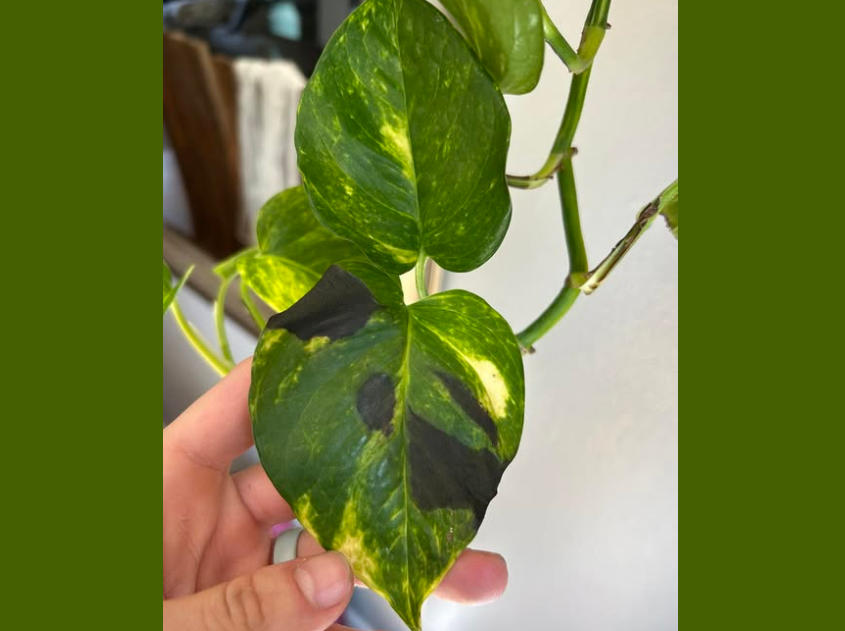
This article will help you identify the causes of black spots, walk you through diagnosing the problem, and provide effective treatments and prevention strategies. With attentive care and patience, your Pothos can bounce back to thriving, lush greenery.
Section 1: Understanding the Problem
Black spots on Pothos leaves often appear alarming, but they are usually signs of underlying issues rather than a death sentence for your plant. Recognizing the characteristics of these spots and understanding their common causes is the first step toward restoring your plant’s health.
Visual Identification
Start by examining the black spots carefully:
- Size and Shape: Are the spots small and round, or larger and irregular? Fungal leaf spots tend to be round and localized, while damage from pests might be more scattered.
- Location: Are the spots on specific leaves or spread across multiple? Do they appear on the edges, tips, or center of leaves?
- Texture: Feel the affected areas—are they fuzzy, powdery, or slimy? Fungal infections often leave fuzzy or powdery residues, while rot may make the spots feel soft or mushy.
- Other Symptoms: Check for additional issues such as yellowing leaves, leaf curl, or visible pests.
Common Causes Overview
Several factors can lead to black spots on your Pothos leaves:
- Fungal infections: Leaf spot diseases caused by fungi like Colletotrichum create dark, sometimes fuzzy patches.
- Water-related problems: Overwatering, poor drainage, or water sitting on leaves can promote fungal growth and root rot.
- Pests: Insects such as scale or mealybugs can damage leaves, leading to blackened areas.
- Environmental stress: Sudden changes in temperature, low humidity, or too much direct sunlight can stress the plant and cause black spots or leaf burn.
Section 2: Diagnosing the Exact Cause
Pinpointing the cause behind black spots requires a careful inspection of your Pothos and its environment. Follow these diagnostic steps:
Cause 1: Fungal Infections
Look for signs of fungal issues:
- Fuzzy or Powdery Growth: Check for white, gray, or black fuzzy patches on the underside or edges of leaves—a typical sign of fungal leaf spot diseases.
- Spreading: Fungal spots often spread quickly if untreated, and affected areas might enlarge or coalesce.
Cause 2: Overwatering or Poor Drainage
Examine the soil:
- Soil Moisture: Stick your finger into the potting mix; if it feels soggy or waterlogged, overwatering might be the culprit.
- Root Health: Gently remove the plant from its pot to inspect roots. Soft, brown, or slimy roots indicate root rot due to excess water.
Cause 3: Pests or Physical Damage
Inspect the leaves and stems:
- Pests: Look for the presence of scale insects, mealybugs, or tiny webbing. Pests often cause physical damage that appears as spots or darkened areas.
- Physical Damage: Check for torn leaves, scars, or recent physical injury that may cause blackened spots as the tissue dies.
How to tell which cause it is
- Cross-check symptoms: Is there fuzzy growth? Pests? Soft, rotting roots?
- Review your care routine: Has the plant been overwatered? Exposed to drafts or direct sunlight?
- Consider recent changes: Have you repotted recently or changed the location? A clear diagnosis will determine the appropriate treatment.
Section 3: Treatment Solutions
Once you identify the cause of black spots, tailor your approach accordingly:
Immediate Actions
- Remove Affected Leaves: Prune off leaves with visible black spots using clean scissors or pruning shears. This prevents spread and allows the plant to focus energy on healthy tissue.
- Improve Air Circulation: Ensure your Pothos is in a well-ventilated space to hinder fungal growth.
- Adjust Watering Habits: Let the top inch of soil dry out before watering again. Avoid getting water on leaves to reduce fungal risk.
Long-term Treatment Plan
- Fungal Issues: Apply natural remedies like neem oil or organic fungicides. Follow the product instructions carefully, and repeat treatments if necessary.
- Root Rot: If roots are rotten, carefully repot the plant into fresh, well-draining soil. Remove all rotted roots with sanitized scissors before repotting.
- Pest Control: Use insecticidal soap or neem oil to eliminate pests. Always follow the instructions for safe application.
What to Expect During Recovery
- Timeline: After treatment, black spots should stop spreading within a few days. Visible signs of recovery, such as new healthy leaf growth, may take several weeks.
- Monitoring: Keep a close eye on your plant for any recurrence of spots and ensure your care routines support ongoing health with proper watering, light, and humidity.
Section 4: Prevention Tips
Prevention is better than cure. Implement these practices to keep black spots at bay:
Care Routine Adjustments
- Water Properly: Water only when the topsoil feels dry. Use drainage pots and avoid overwatering.
- Avoid Overhead Watering: Water at the base of the plant to prevent water from sitting on the leaves.
- Maintain Humidity: Pothos prefers moderate humidity. Use a humidifier or mist occasionally, especially in winter.
Environmental Factors to Monitor
- Air Circulation: Ensure good airflow around your plant to prevent fungal spores from settling.
- Lighting: Provide bright, indirect light. Too much direct sun can scorch leaves and cause blackened areas.
- Temperature Stability: Keep your Pothos in a consistent temperature environment, avoiding cold drafts or sudden temperature drops.
Conclusion
Black spots on Pothos leaves can stem from a variety of causes, such as fungal infections, overwatering, pests, or environmental stress. The key to treatment is a careful diagnosis followed by targeted actions like pruning, adjusting watering routines, and applying natural remedies. With patience and proper care, your Pothos can recover from black spots and continue to brighten your indoor space with its lush, vibrant foliage. Remember to implement preventive practices to minimize future issues and give your plant the healthiest environment possible. Don’t lose hope—your plant’s health can always be restored with a little attention and the right care strategies.
Q: How long until I see improvement after treatment?
A: Typically, you can expect to see stabilization within a week, with new healthy growth emerging over the following few weeks. Complete recovery depends on the severity of the damage and consistent care.
Q: Can black spots completely disappear?
A: In many cases, black spots can fade or be masked as new healthy leaves grow. However, if the damage is extensive or the spots are caused by permanent tissue death, affected leaves may not return to their original appearance and might need pruning.
Q: Should I prune the affected leaves or remove the entire plant?
A: It’s best to prune only the affected leaves to prevent disease spread. Removing the entire plant is unnecessary unless it is severely damaged or infected beyond recovery. Focus on targeted pruning and improving overall care.