Are you noticing black spots popping up on your beloved Aloe Vera? Don’t worry—this is a common issue faced by many indoor plant enthusiasts, and with the right approach, you can restore your plant’s health. In this comprehensive guide, we’ll explore how to fix Aloe Vera black spots by understanding their causes, diagnosing the problem accurately, and applying effective treatments. Plus, you'll learn valuable tips to prevent future occurrences. With a little patience and care, your Aloe Vera can bounce back to vibrant, healthy growth.
Understanding the Problem
Black spots on Aloe Vera often raise concern among plant parents, but recognizing what causes them makes treatment much easier. These spots are typically a sign that your plant is dealing with some underlying issues, such as fungal infections, sunburn, overwatering, or physical injury.
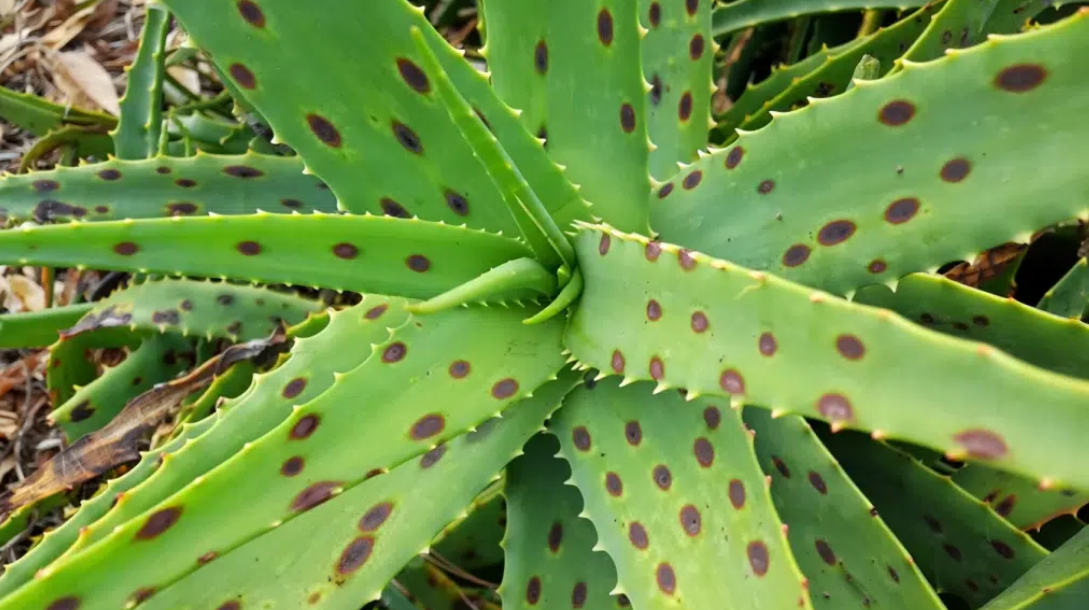
Visual Identification: Size, Shape, and Location of Black Spots
- Appearance: Black spots can vary from small dots to larger patches. They are often shiny or fuzzy when fungal, or dry and scabby if they've resulted from injury.
- Location: Spots may appear on the fleshy leaves, particularly near the base or edges, and sometimes in the center of the leaf.
- Shape: Usually round or irregular, sometimes with a clear border, depending on the cause.
Common Causes Overview
- Fungal Infections: Often caused by excess moisture and poor airflow. Fungal spots may feel slimy or fuzzy.
- Sunburn: Occurs when Aloe Vera is exposed to too much direct, scorching sunlight, leading to blackened, burned spots.
- Overwatering: Frequent watering with inadequate drainage can promote fungal growth and root rot, leading to blackened tissue.
- Physical Injury: Mechanical damage from handling or pest pests can leave scars or black spots as the plant tries to heal.
Diagnosing the Exact Cause
Pinpointing the root cause of black spots is crucial for effective treatment. Here are steps to help you diagnose accurately.
Cause 1: Fungal Infections
- Visual Indicators: Fuzzy, slimy black patches on the leaves, often accompanied by a musty odor.
- Moisture Check: Soil that remains wet longer than necessary, or water sitting on the surface or leaf tips.
- Signs on Roots: Roots may be brown or black, indicating root rot due to overwatering.
Cause 2: Sunburn
- Appearance: Black spots typically on the side of the plant receiving the most sun exposure. These spots are often dry, leathery, and sharply defined.
- Lighting Conditions: If your Aloe Vera is outdoors or near a south-facing window without shade, it’s vulnerable to sunburn.
Cause 3: Physical Injury
- Signs: Scars or black areas near damaged tissue, often accompanied by peeling or shredded leaves.
- Handling: Recent repotting, pruning, or accidental damage can create these spots.
How to Tell Which Cause Applies
- Inspect soil moisture: Is the soil consistently wet? Overwatering may be the culprit.
- Observe sunlight exposure: Is the plant in direct, intense sunlight? It could be sunburn.
- Examine physical health: Are there recent injuries or pest problems? You might be seeing physical damage.
Treatment Solutions
Once you identify the cause, tailor your treatment accordingly to give your Aloe Vera the best chance to recover.
Immediate Actions
- Remove Affected Leaves: Use sterilized scissors or pruning shears to carefully cut away blackened or infected tissue. Discard these parts in trash—not compost—to prevent spreading.
- Avoid Excess Watering: Hold off on watering until the soil dries completely. Aloe Vera prefers well-draining soil with infrequent watering.
- ** reposition away from direct sunlight if sunburned:** Move your plant to a bright, indirect light area to prevent further damage.
Treating Fungal Infections
- Apply Natural Remedies: Use neem oil or a biological fungicide to combat fungal spores. Mix according to instructions and spray affected areas thoroughly.
- Chemical Fungicides: If natural remedies don’t work, you can opt for a mild fungicidal spray suitable for succulents. Follow all label instructions.
Addressing Physical Damage
- Let Wounds Callus: Allow cut or injured areas to dry and form a protective callus over several days before watering again.
- Monitor for Infection: Keep an eye on the wounded area for signs of fungal growth or further blackening.
Long-term Care for Prevention
- Improve Airflow: Space your plants properly and ensure good ventilation to reduce humidity that fosters fungi.
- Reduce Humidity: Avoid high humidity environments; if necessary, use a dehumidifier or fan.
- Adjust Watering Habits: Wait until the soil is completely dry before watering again; use a well-draining potting mix.
What to Expect During Recovery
- Signs of healing include: New, healthy growth, and the black spots gradually fading or disappearing.
- Patience is key: Recovery can take several weeks, so consistent care and attention are vital.
Prevention Tips
Prevention is always better than cure. Follow these easy tips to keep your Aloe Vera healthy and free from black spots:
Care Routine Adjustments
- Water properly: Allow the soil to dry out completely between watering. Typically, watering every 3 weeks is sufficient indoors.
- Avoid handling unnecessarily: Excess handling can cause physical injury or stress.
- Prune dead or infected leaves: Regularly remove any old, yellow, or damaged foliage to promote healthy growth.
Environmental Factors
- Lighting: Provide bright, indirect sunlight—about 6 hours daily—preventing sunburn.
- Airflow: Place your Aloe Vera in a well-ventilated area.
- Potting Medium: Use a cactus or succulent mix that drains quickly to prevent excess moisture around the roots.
Conclusion
Black spots on Aloe Vera are a common yet manageable problem. By understanding the causes, diagnosing correctly, and applying targeted treatments, you can restore your plant’s health quickly. Remember, timely intervention and preventive care go a long way in maintaining a thriving, beautiful Aloe Vera. Rest assured—your plant can recover. Keep an eye on it, adjust your care routine as needed, and soon it will be vibrant and healthy again. Regular inspections and proper maintenance will ensure your Aloe Vera remains a resilient and lovely part of your indoor plant collection.
FAQ
Q: How long until I see improvement after treatment?
A: Typically, you may notice signs of improvement within 2-3 weeks, including new healthy growth and a reduction in black spots. Patience and consistent care are essential for complete recovery.
Q: Will my Aloe Vera fully recover from black spots?
A: Many Aloe Vera plants recover fully if the cause is diagnosed early and proper treatment is applied. Severe or longstanding infections may leave scars, but new leaves generally grow healthy once the problem is resolved.
Q: Should I prune the blackened leaves or stems completely?
A: Yes, it's best to prune and remove blackened or infected parts using sterilized tools. This helps prevent the spread of fungi and encourages healthy new growth. Avoid removing more than necessary—pruning should be targeted to damaged areas.
Keep nurturing your Aloe Vera with love and care, and it will continue to bring beauty and benefits to your space!