Are your beloved Snake Plant's leaves turning pale or yellow? Don’t worry—this is a common issue that many indoor plant enthusiasts face. With a little attention and some simple care adjustments, you can breathe new life into your plant and restore its vibrant green color.
In this guide, we’ll walk through how to identify the causes of pale leaves, diagnose the problem accurately, and implement effective solutions. Whether you’re a beginner or have some experience with indoor plants, these tips will help you care for your Snake Plant with confidence. Let’s get started!
Section 1: Understanding the Problem
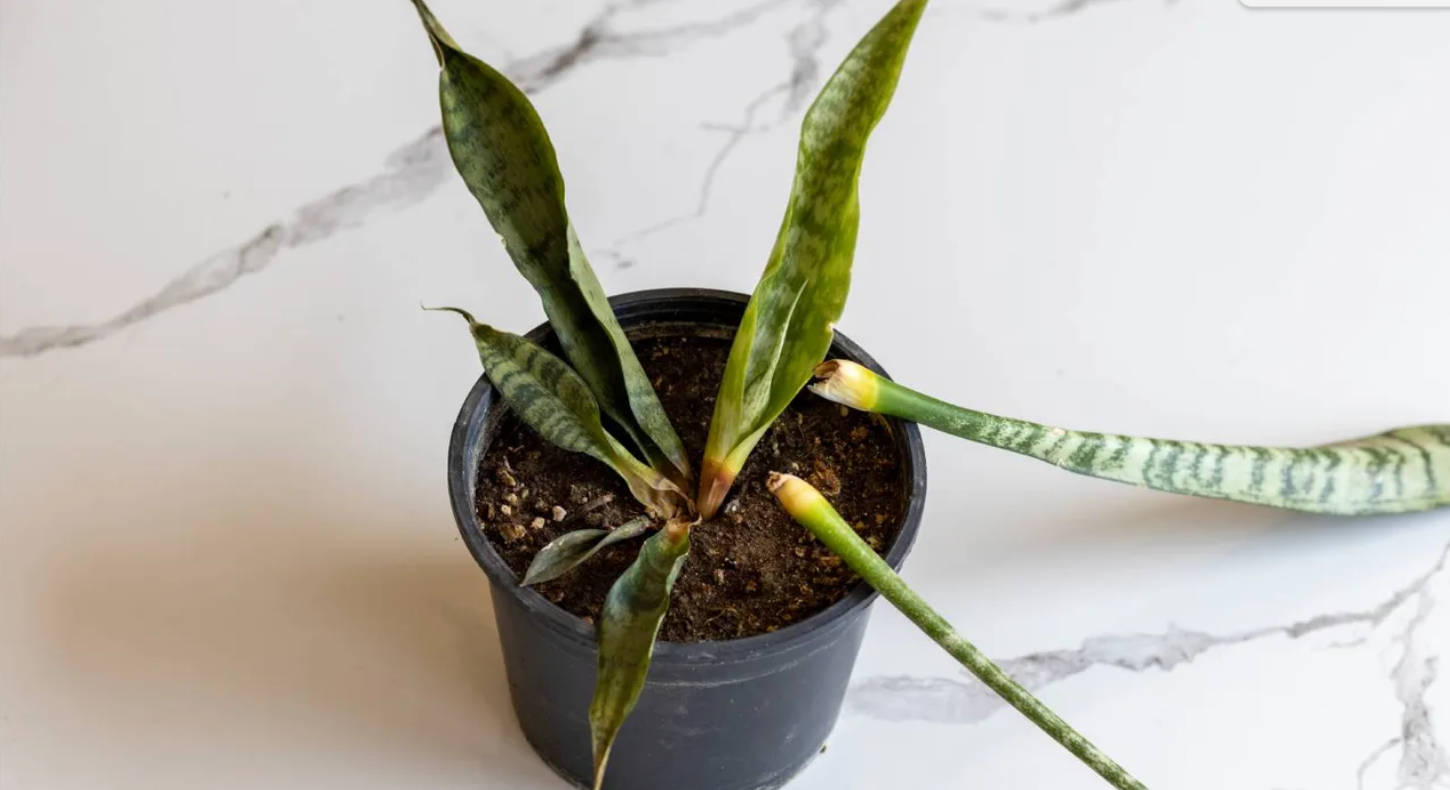
Visual Identification of Pale or Yellow Leaves
First, it’s important to recognize what pale or yellow leaves look like. Typically, healthy Snake Plant leaves are a rich, dark green with a firm texture. If you notice the tips or entire leaves fading to a dull, pale green or yellow, that’s a sign something might be off. Sometimes, this discoloration starts at the edges or tips, gradually spreading inward.
Common Causes Overview
Several factors can cause this change in leaf color, including:
- Overwatering: The most common culprit, leading to root rot and poor nutrient uptake.
- Inadequate Light: Snake Plants prefer bright, indirect light; too little light can cause leaves to lose their vibrant color.
- Nutrient Deficiencies: Lack of essential nutrients like nitrogen, magnesium, or iron can dull the green hue.
- Environmental Stress: Sudden temperature changes, drafts, or low humidity can stress the plant, affecting leaf health. Understanding these causes is the first step toward fixing the issue effectively.
Section 2: Diagnosing the Exact Cause
Follow a Step-by-Step Process to Determine Why Your Snake Plant's Leaves Are Pale
Cause 1: Overwatering — Look for Soft, Mushy Leaves or Root Rot
- Check the soil: Feel if it’s soggy or waterlogged.
- Inspect roots: Remove the plant gently and examine roots for black, mushy areas. Healthy roots are white or light tan and firm.
Cause 2: Insufficient Light — Leaves May Lose Color if Light Is Too Low
- Observe the plant’s placement: Is it in a dark corner or far from windows?
- Look for leaning: The plant may stretch or lean toward a light source, indicating inadequate illumination.
Cause 3: Nutrient Deficiency — Dulled Green Due to Lack of Essential Nutrients
- Check the overall vigor: Are new leaves pale or smaller than usual?
- Consider fertilization history: Has the plant been fed recently?
How to Tell Which Cause Applies to Your Plant
- Overwatering signs: Soft, discolored roots; soggy soil.
- Low light signs: Stretched or pale leaves, plant leaning toward the light.
- Nutrient deficiency signs: General dullness, small or weak new growth.
Matching symptoms to causes will help you target your care efforts accurately.
Section 3: Treatment Solutions
Immediate Actions: Adjust Watering, Improve Lighting, and Fertilize
- Stop watering immediately if you suspect overwatering. Allow the soil to dry out thoroughly before next watering.
- Move your Snake Plant to a brighter spot with indirect sunlight. A well-lit area promotes healthy, vibrant leaves.
- Fertilize lightly with a balanced, diluted houseplant fertilizer every 4-6 weeks during the growing season to replenish nutrients.
Long-term Treatment Plan
- Establish a consistent watering schedule: Allow the top inch of soil to dry out between watering.
- Optimize light exposure: Place the plant near a bright window or use grow lights if natural light is limited.
- Implement regular fertilization: Use a balanced indoor plant fertilizer during the active growing months for sustained health.
What to Expect During Recovery
- You should notice a gradual return of deep green coloration.
- New growth will be healthier and sturdier.
- Existing pale leaves may not regain full color but will stabilize with proper care.
Section 4: Prevention Tips
Monitoring Watering Routines and Soil Drainage
- Use pots with drainage holes to prevent water accumulation.
- Water only when the topsoil feels dry to the touch.
Optimizing Light Exposure
- Place your Snake Plant near an east- or west-facing window.
- Use artificial grow lights if natural light is insufficient.
Regular Fertilization and Soil Checks
- Feed your plant every 4-6 weeks during active months.
- Refresh topsoil annually or as needed to maintain soil health.
General Environment Tips to Reduce Stress
- Keep temperatures between 65–85°F (18–29°C).
- Avoid placing the plant near drafts, heaters, or air conditioning vents.
- Maintain moderate humidity for overall health.
Conclusion
Reviving your Snake Plant’s vibrant, lush green leaves is entirely achievable with proper diagnosis and simple care adjustments. Remember, patience and consistency are key. With the right watering routine, adequate lighting, and nutrient support, you can turn those pale leaves back into healthy, beautiful foliage. Don’t be discouraged—your indoor jungle buddy can bounce back! Keep applying the tips provided, observe how your plant responds, and don’t hesitate to seek professional advice if issues persist. Your effort will pay off with a thriving, vibrant Snake Plant.
FAQ
Q: How long until I see improvement in my Snake Plant's leaves?
A: Usually, you can expect to see signs of recovery within 2 to 4 weeks after adjusting watering, lighting, and fertilization. New growth is a good indicator that your plant is bouncing back, though existing pale leaves may take longer to regain color or may remain slightly lighter.
Q: Can pale leaves fully recover and regain their original color?
A: Yes, if the underlying cause is addressed promptly, new growth should appear vibrant and healthy. However, some older, severely damaged leaves may not fully recover their original shade and might need to be pruned for the overall appearance.
Q: Should I prune the yellowing or pale parts for better recovery?
A: Definitely. Pruning affected leaves encourages the plant to direct energy toward healthy growth. Use clean, sharp scissors or pruning shears to cut pale or yellowing leaves at the base, and dispose of the cuttings properly. This will also improve the plant’s overall appearance and health.
Your Snake Plant is resilient and forgiving. With just a few simple steps, you can restore its natural beauty and enjoy thriving greenery at home. Happy gardening!