Wondering why your Philodendron's leaves turn yellow? You're not alone—many indoor plant enthusiasts face this common issue. Yellowing leaves can be alarming, but with a little understanding and some targeted care, you can help your beloved plant recover and thrive. In this article, we'll explore why yellow leaves occur, how to diagnose the root causes, and most importantly, what practical steps you can take to restore your Philodendron's health.
Introduction
Noticing your Philodendron’s leaves turning yellow can be worrying, especially when you’ve invested time and love into caring for it. But don't fret—yellow leaves are often a sign that something in your plant's environment or routine needs adjustment, not necessarily a death sentence. This article will help you understand why yellow leaves occur, how to identify the exact cause, and the best remedies to bring your plant back to lush, vibrant health. With some simple tweaks and attentive care, your Philodendron can bounce back stronger than ever.
Section 1: Understanding the Problem
Before jumping into solutions, it’s crucial to identify what yellowing leaves look like and understand the common underlying issues.
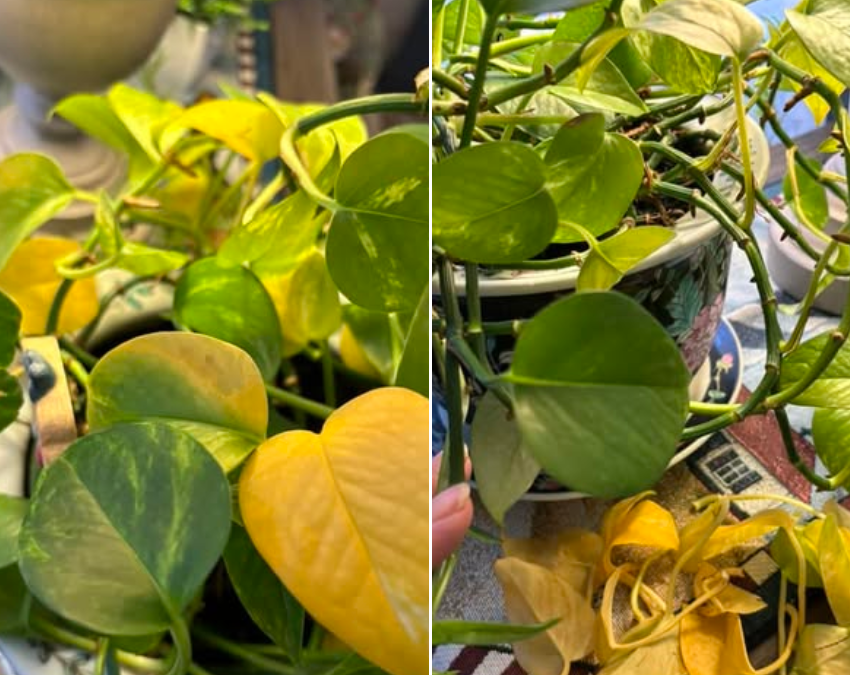
Visual Identification of Yellow Leaves
Yellow leaves are usually characterized by:
- Bright yellow or pale coloration, often starting at the tips or edges.
- Swollen or soft texture, sometimes with browning or wilting edges.
- Leaves can also be entirely yellow, especially mature ones that are naturally aging. Tip: Keep an eye on whether the yellowing starts from the oldest leaves at the bottom or appears randomly across the plant.
Common Causes Overview
Several factors can cause yellow leaves on a Philodendron:
- Overwatering: Excess water leads to root rot and oxygen deprivation, causing leaves to yellow and wilt.
- Underwatering: Lack of water stresses the plant, leading to yellow, droopy leaves.
- Light issues: Too much direct sunlight scorches leaves; too little light weakens the plant, causing yellowing.
- Nutrient deficiencies: Lack of essential nutrients, especially nitrogen or magnesium, can manifest as yellowing leaves.
- Pests and diseases: Infestations or infections weaken the plant, sometimes leading to leaf discoloration.
Section 2: Diagnosing the Exact Cause
Accurate diagnosis is key to effective treatment. Follow these steps to pinpoint the problem:
Cause 1: Overwatering Leading to Root Rot and Oxygen Deprivation
- Check the soil moisture: Is it waterlogged or soggy?
- Smell the soil: Does it smell rotten or sour?
- Inspect the roots: Healthy roots are white and firm; rotten roots are brown/black and mushy.
Cause 2: Insufficient Light Causing Weak, Yellowing Leaves
- Observe the plant's position: Is it near a window with ample indirect light?
- Check for leggy, stretched growth—sign of low light.
- Note if leaves are turning yellow and dropping, common in inadequate light situations.
Cause 3: Nutrient Deficiency, Especially Nitrogen or Magnesium
- Look for uniform yellowing across older leaves, indicating nitrogen deficiency.
- Magnesium deficiency often causes yellowing between the leaf veins, while the margins stay green.
How to Tell Which Cause Matches Your Plant’s Symptoms
- If soil is soggy and roots smell bad, overwatering is likely.
- If the plant is in a shady corner, light deficiency is probable.
- If yellowing is gradual and affects older leaves evenly, suspect nutrient deficiency.
Section 3: Treatment Solutions
Once you’ve identified the cause, follow targeted remedies to rehabilitate your Philodendron.
Immediate Actions
- Adjust watering habits: Allow the soil to dry out between waterings for overwatered plants.
- Correct light exposure: Move the plant to a spot with bright, indirect sunlight.
- Check for pests: Look for insects like spider mites or mealybugs, and treat with insecticidal soap if needed.
- Remove any severely yellowed leaves to encourage healthy new growth.
Long-Term Treatment
- Repotting: If root rot is present, carefully unpot the plant, trim off rotten roots, and replant in fresh, well-draining soil.
- Fertilizing: Use a balanced, water-soluble fertilizer every 4-6 weeks during the growing season, focusing on nitrogen and magnesium content.
- Environmental adjustments: Maintain optimal humidity (around 60–70%) and temperature (65–80°F).
Monitoring During Recovery
- Watch for new healthy growth and the gradual greening of leaves.
- Prune off any damaged or dead foliage to prevent disease spread.
- Keep consistent care routines and avoid drastic changes.
Section 4: Prevention Tips
Prevention is better than cure. Implement these strategies to keep your Philodendron healthy and vibrant:
Care Routine Adjustments
- Test soil moisture regularly and stick to a watering schedule based on your plant’s needs.
- Fertilize during the active growing season (spring and summer) and reduce feeding in winter.
Environmental Factors
- Place your plant where it receives bright, indirect sunlight—avoid harsh direct rays.
- Keep humidity levels around 60–70%, especially in dry indoor environments, using humidifiers or pebble trays if needed.
- Maintain room temperature between 65°F and 80°F, and avoid cold drafts.
Regular Monitoring and Early Intervention
- Regularly check for signs of pests or diseases.
- Look for new yellowing spots early, so you can address issues before they worsen.
- Adjust care routines promptly based on seasonal changes and plant signals.
Conclusion
Recap of Key Points
- Yellow leaves on your Philodendron indicate an underlying issue that can be identified through observation and diagnosis.
- Common causes include overwatering, insufficient light, and nutrient deficiencies.
- Targeted treatments, such as adjusting watering, improving light conditions, or fertilizing, can revive your plant.
- Preventive care and regular monitoring are essential for long-term health.
Encouragement
Remember, with attentive care and a little patience, your Philodendron can recover from yellowing leaves and regain its lush, vibrant appearance. Your plant depends on your careful observation and proactive adjustments.
Next Steps
Start by diagnosing your plant’s symptoms today. Make small changes to its environment and routine, and watch how it responds. Your green thumb is more powerful than you think!
FAQ
Q: How long until I see improvement after fixing watering or light issues?
A: Typically, you can expect to see signs of recovery within a few weeks. New, healthy leaves will start to grow, and old yellowing leaves may eventually turn green or be pruned away. Patience is key—consistent care ensures the best outcome.
Q: Will my yellow leaves turn green again, or should I prune them?
A: Once a leaf has turned yellow, it usually cannot turn green again. It’s best to prune yellow or damaged leaves to help the plant focus its energy on producing new, healthy growth.
Q: How often should I check my Philodendron for early signs of problems?
A: Regular inspection once a week is ideal. Early detection of issues like yellowing leaves, pests, or soil problems allows for quick interventions, which greatly improves the chances of recovery.
Your indoor garden journey is a continuous learning process. By understanding your Philodendron’s needs and responding promptly to signs like yellow leaves, you can keep your plant thriving and create a green oasis in your home. Happy gardening!