Struggling with drooping, transparent leaves on your ZZ Plant? Discover causes, diagnostics, and effective solutions to revive your plant with confidence.
Introduction
Noticing your ZZ Plant's leaves drooping or turning transparent can be quite concerning—it's natural to worry about the health of your beloved indoor green companion. However, these issues are often signs that your plant needs some extra care rather than permanent damage. The good news is that with proper diagnosis and timely intervention, your ZZ Plant can bounce back to its lush, vibrant self. In this article, we’ll explore why your ZZ Plant's leaves droop and turn transparent, how to accurately diagnose the problem, and practical steps to restore its health. Whether you're a beginner or an intermediate plant enthusiast, understanding these factors will help you become a confident plant parent.
Section 1: Understanding the Problem
Visual Identification of Drooping and Transparent Leaves
First, let's clarify what these symptoms look like:
- Drooping leaves: Leaves appear limp, sagging, or bending downward, often giving the plant a wilted appearance.
- Transparent leaves: Areas of the leaves look clear or glassy, sometimes causing parts of the leaf to appear almost see-through. This translucency indicates cell damage or dehydration.
Common Causes Overview
Several factors can lead to drooping and transparent leaves in a ZZ Plant, including:
- Overwatering: Excess water can drown roots, leading to root rot and nutrient deficiencies.
- Root rot: Decayed roots can't supply water and nutrients efficiently, causing leaves to droop and become transparent.
- Low light conditions: Insufficient light hampers photosynthesis, weakening the plant.
- Pest infestations or diseases: Pests like mealybugs or fungal infections can damage leaves and roots. Understanding these causes helps you target your corrective measures more effectively.
Section 2: Diagnosing the Exact Cause
Step-by-step process to determine what’s affecting your ZZ Plant:
Cause 1: Overwatering Leading to Root Rot
- Symptoms: Soggy soil, foul smell, black or mushy roots.
- Diagnosis: Gently remove the plant from its pot and inspect the roots. Healthy roots are firm and white; rotten roots are brown or black, soft, and may emit a bad odor.
Cause 2: Insufficient Light or Improper Environment
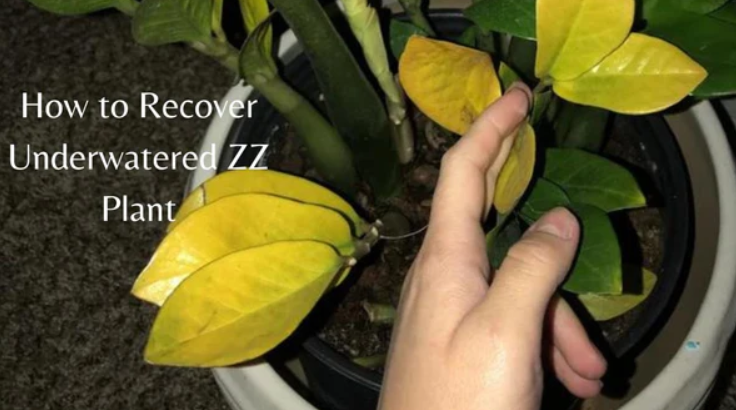
- Symptoms: Pale, transparent leaves, slow growth, legginess.
- Diagnosis: Check the plant's location. Is it in a low-light spot? ZZ Plants tolerate low light but prefer bright, indirect sunlight.
Cause 3: Pest Infestation or Disease
- Symptoms: Tiny insects on leaves or stems, sticky residue, spots or mold.
- Diagnosis: Examine the leaves and stems closely for pests or fungal growth. Use a magnifying glass if needed.
How to Tell Which Cause Applies to Your Plant
- Overwatering symptoms: Soggy soil, root rot signs.
- Low light symptoms: Pale, transparent leaves, weak stems.
- Pest/disease signs: Visible insects, sticky residue, spots on leaves. By carefully observing these signs, you'll pinpoint the root cause and tailor your treatment accordingly.
Section 3: Treatment Solutions
Immediate Actions
- Adjust watering: Allow the soil to dry out completely before watering again. If overwatering caused root rot, remove excess water and improve drainage.
- Remove damaged leaves: Carefully prune any transparent or drooping leaves to prevent further stress and encourage new growth.
- Isolate the plant: If pests are present, move your ZZ Plant away from other houseplants to prevent infestation spread.
Long-term Care
- Repotting: If root rot is diagnosed, repot your ZZ Plant into fresh, well-draining soil. Remove all rotten roots with sterilized scissors.
- Improve lighting: Place your plant near a bright, indirect light source. ZZ Plants can tolerate low light but thrive in brighter conditions.
- Pest control: Use natural remedies like neem oil or insecticidal soap to eliminate pests. For fungal issues, apply appropriate fungicides.
Monitoring Recovery
- Keep an eye on your plant’s response over the next few weeks.
- Look for signs of new, healthy leaf growth.
- Adjust watering habits as the plant recovers.
Section 4: Prevention Tips
How to keep your ZZ Plant healthy and avoid drooping and transparent leaves in the future:
- Consistent watering schedule: Water only when the top inch of soil is dry. Ensure your pot has drainage holes to prevent water accumulation.
- Proper drainage: Use a well-draining soil mix suitable for succulents or cacti to prevent waterlogging.
- Optimal light conditions: Place your ZZ Plant in bright, indirect sunlight; avoid direct sun that can scorch leaves.
- Regular inspection: Check for pests and disease signs weekly to catch problems early.
- Use suitable soil and fertilizers: Feed your ZZ Plant with balanced, diluted houseplant fertilizer during the growing season to promote healthy growth.
Conclusion
Recap of Causes, Diagnostic Steps, and Solutions
Drooping and transparent leaves on your ZZ Plant are signs that it needs your attention. Causes typically include overwatering leading to root rot, inadequate light, or pests. By carefully inspecting your plant, you can diagnose the root issue and apply targeted remedies—whether adjusting watering habits, improving lighting, or managing pests.
Encouragement
Remember, with patience, careful observation, and proper care, your ZZ Plant can recover and thrive once again. Don’t be discouraged—every problem is an opportunity to learn more about your plant’s needs!
Next Steps
Implement the suggested care adjustments and monitor your plant’s response over the coming weeks. The more attentive you are, the healthier and more resilient your ZZ Plant will become.
FAQ
Q: How long will it take for my ZZ Plant to recover after treatment?
A: Recovery time varies depending on the severity of the issue, but typically, you can expect to see signs of improvement within 2 to 4 weeks. New healthy leaves and steady growth are good indicators of recovery.
Q: Can drooping leaves be a sign of permanent damage?
A: Not necessarily. Drooping leaves often indicate stress or temporary issues like overwatering or low light. With proper care, your ZZ Plant can bounce back, and new growth will replace damaged leaves.
Q: Should I prune the transparent leaves or wait for new growth?
A: It’s best to prune and remove damaged or transparent leaves to help the plant focus its energy on healthy growth. Wait until new, healthy leaves appear before considering further pruning.
Your ZZ Plant is resilient and capable of recovery. By understanding the causes, diagnosing accurately, and applying the right remedies, you can restore your plant’s vitality and enjoy its lush, green presence in your home. Happy gardening!