Worried about root rot in your ZZ Plant? Discover diagnosis, treatment options, and prevention tips to save your plant and keep it thriving.
Introduction
Noticing your ZZ Plant's roots seem compromised? Don’t worry – root rot can be fixed with the right steps. Many indoor plant enthusiasts, especially beginners, face this common challenge. Root rot is a serious issue that can threaten your plant’s health, but with understanding and proper care, your ZZ Plant can bounce back. This article will help you identify root rot symptoms, diagnose the causes specifically affecting your plant, and provide effective treatment and prevention strategies. With a little guidance, you’ll be able to restore your ZZ Plant’s vitality and keep it thriving in your home.
Section 1: Understanding the Problem
How to Recognize Root Rot in Your ZZ Plant
The first step is being able to spot the signs of root rot early. Here are the main symptoms:
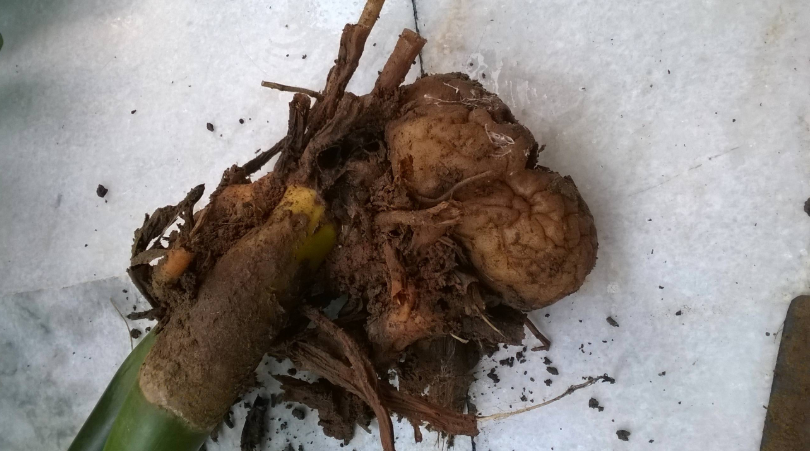
- Brown, Mushy Roots: Healthy ZZ Plant roots are firm and white or light tan. If they turn brown, black, soft, or slimy, it’s a sign of rot.
- Foul Smell: A rotten or sour odor emanating from the soil indicates decay below the surface.
- Wilting or Yellowing Leaves: Despite watering, the plant looks droopy or the leaves turn yellow and lose vibrancy, signaling root distress.
Common Causes Overview
Root rot typically happens when overwatering creates waterlogged soil, leading to oxygen deprivation for roots. Poor drainage, high humidity, and damaged roots from repotting or pests can also contribute. Understanding these causes helps you address the underlying problem rather than just treating symptoms.
Section 2: Diagnosing the Exact Cause
Follow a Step-by-Step Process to Pinpoint Your Plant’s Issue
Getting to the root cause (pun intended!) enables targeted treatment. Here’s how:
Cause 1: Overwatering and Waterlogged Soil
- The most common culprit. ZZ Plants prefer dry conditions — too much water causes roots to suffocate and rot.
Cause 2: Poor Drainage or Compact Soil
- Using heavy or clogged soil prevents proper drainage and aeration, creating ideal conditions for rot.
Cause 3: High Humidity or Sudden Temperature Changes
- Excess humidity or fluctuating temperatures may promote fungal growth and weaken roots.
How to Tell Which One It Is
- Gently remove the plant from its pot and examine the roots.
- Check soil moisture — if it feels waterlogged and stays wet, overwatering is likely.
- Observe environmental factors, such as humidity levels and recent changes in temperature.
- Inspect the roots’ appearance: mushy, brown roots suggest rot, while firm, white roots are healthy.
Section 3: Treatment Solutions
Immediate Actions to Save Your ZZ Plant
- Remove Affected Roots: Carefully trim away all brown, mushy roots with sterilized pruning shears or scissors.
- Improve Drainage: Repot your ZZ Plant into a well-draining soil mix, such as an aroid or cactus mix, with plenty of perlite or coarse sand.
- Adjust Watering Habits: Let the soil dry out completely between waterings. During recovery, water sparingly.
- Ensure Good Airflow: Place your plant in a well-ventilated area to favor rapid drying and prevent fungal spores from settling.
Long-Term Treatment Strategies
- Repot in Proper Soil and Containers: Use pots with drainage holes that prevent water accumulation.
- Maintain Proper Watering Schedule: Check soil moisture before watering—only when the top inch feels dry.
- Keep Your Plant in a Suitable Environment: Avoid high humidity spots; provide bright, indirect light to promote healthy growth.
- Monitor and Adjust: Regularly inspect your ZZ Plant to catch any signs of returning trouble early.
During Recovery
Be patient. It can take weeks for roots to regenerate. Keep the environment stable, avoid overwatering, and provide adequate light — your plant’s resilience is remarkable.
Section 4: Prevention Tips
Easy Care Tips to Keep Root Rot at Bay
- Adjust Your Watering Routine: Always check soil moisture before watering; when in doubt, wait a few more days.
- Use Proper Soil and Containers: Choose well-draining soil mixes designed for aroids and containers with drainage holes.
- Maintain a Stable Environment: Keep humidity moderate, away from drafts or temperature fluctuations, and ensure your ZZ Plant gets bright, indirect light.
- Regularly Inspect Your Plant: Early detection of any changes helps prevent severe root rot.
Conclusion
By understanding the signs, diagnosing the causes accurately, and applying targeted treatments, you can revive your ZZ Plant from root rot and restore its health. Remember, root rot is manageable — your plant’s recovery is within your power. Start inspecting your plant today, take the necessary steps, and enjoy the journey of nurturing a happy, thriving ZZ Plant. With patience and care, your indoor garden will flourish once again!
FAQ
Q: How long until I see improvement after treatment?
A: Generally, you should notice signs of recovery within a few weeks—such as new, healthy growth and the return of vibrant leaves. Patience is key, as roots need time to regenerate and establish in healthy soil.
Q: Can my ZZ Plant fully recover from root rot?
A: Yes, if the rot is caught early and appropriate measures are taken, your ZZ Plant can fully recover. It’s essential to remove all affected roots and provide optimal conditions for new root growth.
Q: Should I prune all affected roots, and how much is safe?
A: Yes, prune all mushy, brown roots to promote healthy regrowth. Be cautious not to remove too many roots—aim to retain healthy, firm roots to support the plant’s recovery. Sterilize your pruning tools to prevent infection.
Taking care of your ZZ Plant after root rot requires attentive care and patience, but the results are rewarding. With these insights, you are well-equipped to tackle root rot and keep your indoor garden lush and healthy!