Learn effective steps to diagnose and fix curling leaves on your Peace Lily, ensuring a healthy, vibrant indoor plant with simple care tips.
Introduction
Noticing your Peace Lily's leaves curling can be worrying—it's a sign that something might be off with the plant's care environment. The good news is that curling leaves are often a preventable and reversible issue, especially when you understand the underlying cause. Whether your plant needs a little extra water, humidity, or a quick environmental adjustment, the solutions are straightforward and worth the effort.
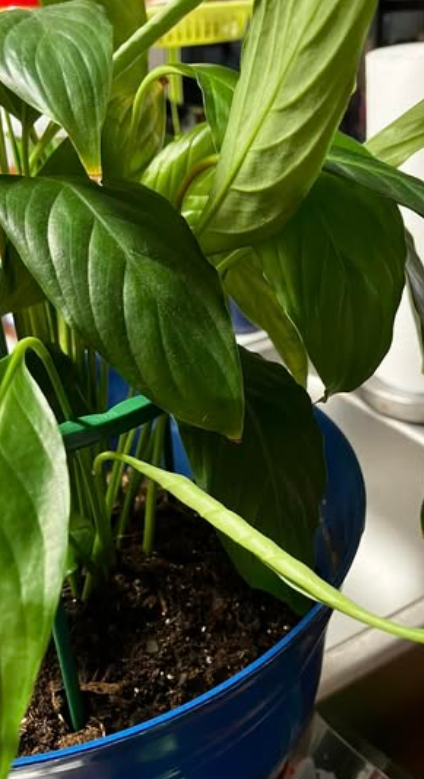
In this article, we will guide you through identifying why your Peace Lily’s leaves are curling, how to diagnose the exact cause, and practical, step-by-step solutions to help your plant bounce back beautifully. So don't fret—your Peace Lily is resilient, and with some simple care, it will thrive again!
Section 1: Understanding the Problem
Recognizing Curling Leaves and Why It Happens
Curling leaves are often a visual warning that your Peace Lily is under stress. Typically, healthy Peace Lilies have vibrant, upright leaves that are not distorted. When leaves start curling, their edges might roll inward or outward, appear shriveled, or look different from their usual lush appearance.
Visual Identification: How to Spot Curling Leaves on Your Peace Lily
- Inward curling: Edges or tips of the leaves fold towards the center.
- Outward curling: Leaf edges bend away from the stem, sometimes with a crispy appearance.
- Shriveled or limp leaves: Leaves appear droopy and dry.
- Color changes: Sometimes, curling is accompanied by yellowing or browning. Regularly inspecting your plant helps catch problems early, making treatment more manageable.
Common Causes Overview: Water Issues, Environmental Stress, Pests, or Disease
Several factors can result in curling leaves, including:
- Overwatering or poor drainage leading to root problems.
- Underwatering causing dehydration stress.
- Environmental factors such as low humidity, drafts, or temperature fluctuations.
- Pests like aphids or spider mites feeding on the leaves.
- Disease or fungal infections, although less common. Understanding which is affecting your Peace Lily is essential to selecting the right fix.
Section 2: Diagnosing the Exact Cause
Systematic Steps to Identify Why Your Peace Lily's Leaves Are Curling
Proper diagnosis involves observing specific symptoms and environmental conditions.
Cause 1: Overwatering or Poor Drainage
- Signs: Soggy soil, a foul smell, roots that appear brown and mushy.
- Symptoms: Curling leaves may be accompanied by yellowing due to root rot preventing nutrient uptake.
Cause 2: Underwatering or Drought Stress
- Signs: Dry, crispy, or brittle leaves.
- Symptoms: Leaves curl inward as the plant conserves moisture.
Cause 3: Environmental Factors Like Low Humidity or Temperature Fluctuations
- Signs: Curling, especially at leaf edges.
- Symptoms: The plant is near heating vents, air conditioners, or in dry rooms.
How to Tell Which One It Is: Key Symptoms and Diagnostic Tips
- Check soil moisture: Stick your finger about an inch into the soil—if it’s dry, under-watering is likely; if it’s soggy, overwatering.
- Assess the plant’s environment: Is it exposed to drafts, heating vents, or low humidity?
- Inspect for pests: Look under leaves and along stems for tiny pests or webbing. A combination of these observations helps pinpoint the root cause.
Section 3: Treatment Solutions
Addressing Each Cause with Specific Actions
Once you’ve identified the cause, take targeted steps:
Immediate Actions to Take
- If overwatered: Allow soil to dry out completely before watering again. Improve drainage by ensuring your pot has drainage holes and using well-draining soil.
- If underwatered: Water thoroughly, ensuring excess water drains away, and keep the topsoil moist but not waterlogged.
- If low humidity: Increase humidity by misting the leaves daily, placing a humidifier nearby, or setting the pot on a pebble tray filled with water.
- Relocate the plant: Move it away from drafts, direct sunlight, or heat sources.
Long-term Treatment Plan
- Establish a consistent watering schedule: Water when the top inch of soil feels dry.
- Provide proper lighting: Filtered indirect light is ideal.
- Maintain stable environment: Keep room temperature around 65-80°F (18-27°C) and humidity above 50%.
Monitoring Recovery: What Changes to Expect and How to Support Your Plant
Watch for leaves gradually uncurling, returning to their natural lush state. During recovery, continue with consistent care, avoid sudden environmental changes, and check regularly for signs of pests or disease.
Section 4: Prevention Tips
Care Routine Adjustments
- Water properly: Always check soil moisture before watering.
- Avoid drafts and temperature extremes: Keep your Peace Lily in a stable environment.
- Fertilize appropriately: Use a balanced, diluted houseplant fertilizer monthly during the growing season.
- Ensure proper pot drainage: Use pots with drainage holes and well-draining soil.
Environmental Factors to Monitor
- Humidity: Use a humidifier or grouping plants to increase ambient moisture.
- Lighting: Place your Peace Lily in bright, indirect light—not direct sun which can scorch leaves.
- Temperature stability: Protect from cold drafts and direct heat sources. Taking preventive steps keeps curling leaves at bay and promotes overall plant health.
Conclusion
Recap of Diagnosing the Cause, Solutions, and Prevention Strategies
Recognizing why your Peace Lily's leaves are curling is the first step toward reversing the problem. Whether caused by overwatering, underwatering, environmental stress, or pests, identifying the root cause allows for targeted treatment. Remember to adjust watering habits, improve humidity, and optimize the plant’s environment for lasting health.
Encouragement
With patience and attentive care, your Peace Lily can recover and thrive again. Don’t be discouraged—every plant parent faces challenges, but each one is a learning opportunity to become a better caregiver.
Next Steps
Start by carefully inspecting your plant and its environment today. Make small adjustments to your watering schedule and humidity levels, and watch your Peace Lily’s leaves gradually straighten and regain their lush beauty.
FAQ
Q: How long until I see improvement after fixing watering habits?
A: It varies, but typically you can notice signs of recovery within one to two weeks. Leaves that were curled may begin to straighten, and new growth should appear healthier. Consistency is key—continue with proper watering and environmental adjustments.
Q: Is it safe to prune curling leaves, or should I leave them to recover?
A: You can prune severely curled or damaged leaves to encourage new, healthy growth. Use clean, sharp scissors or pruning shears. Removing problematic leaves helps the plant focus its energy on new development and promotes overall plant health.
Q: Can low humidity really cause curling, and how can I increase it easily?
A: Yes, low humidity is a common cause of leaf curling, especially in indoor environments with dry air. To increase humidity easily, mist the leaves daily, use a humidifier, or place the pot on a tray filled with pebbles and water. These methods create a more humid microclimate around your plant, preventing leaf dehydration.
Taking good care of your Peace Lily is rewarding, and with a little patience, you'll see your plant bounce back to a vibrant, healthy state. Happy gardening!