Discover why your jade plant's leaves yellow and learn effective ways to diagnose, treat, and prevent this common issue for healthy indoor growth.
Introduction
Noticing yellow leaves on your jade plant can be quite worrying, especially if you're caring for it as a centerpiece in your indoor space. But don't worry—you’re not alone. Many plant enthusiasts, whether beginners or seasoned gardeners, face this challenge at some point. Fortunately, yellowing leaves are usually a sign that something needs your attention rather than a sign of imminent death. In this article, we'll explore why your jade plant’s leaves turn yellow, how to accurately diagnose the underlying cause, and practical solutions to help your plant recover and thrive. With a little knowledge and attentive care, you can bring your jade back to vibrant health and enjoy its beautiful appearance indoors.
Section 1: Understanding the Problem
Yellow leaves on a jade plant are often an indication of stress or health issues. Recognizing the appearance and patterns of yellowing can help you pinpoint the root cause quickly.
Visual Identification
- Color change: Are the leaves uniformly yellow or is the yellowing concentrated at the tips or edges?
- Leaf texture: Do the leaves feel soft, mushy, or dry?
- Overall appearance: Is the yellowing spreading or isolated to a few leaves? Are the leaves falling prematurely?
Common Causes Overview
Most often, yellow leaves on a jade plant are caused by:
- Overwatering, leading to root rot and soft, mushy leaves.
- Insufficient light, causing pale, dull leaves and etiolation (stretching for light).
- Nutrient deficiencies, resulting in overall yellowing and slow growth.
- Pests, such as mealybugs or scale, which can weaken the plant.
- Natural aging, where lower or older leaves turn yellow and drop off over time. Understanding these causes helps you develop an effective plan to address the issue.
Section 2: Diagnosing the Exact Cause
To effectively treat your jade plant’s yellow leaves, it's crucial to identify the exact cause. Follow these straightforward steps:
Cause 1: Overwatering
- Signs: Leaves become soft, mushy, and may emit a foul smell. Roots may appear brown, slimy, and decayed if you remove the plant from its pot.
- What to check: Review your watering habits. Have you been watering more than once every 2-3 weeks? Is water sitting at the bottom of the pot?
Cause 2: Insufficient Light
- Signs: Pale, dull, and elongated leaves. The plant may look stretched or etiolated, with leaves leaning toward light sources.
- What to check: Is your jade plant placed in a spot with bright, indirect light? Does it receive at least 4-6 hours of sunlight daily?
Cause 3: Nutrient Deficiency
- Signs: Overall yellowing with slow or stunted growth. Leaves may lack luster and appear dull.
- What to check: When was the last time you fertilized? Is your fertilization routine adequate?
How to Tell Which One It Is
- Watering habits: Are you watering too frequently? Do the soil and roots feel damp for long?
- Lighting: Is the plant in a bright, sunny location or in shade?
- Soil health: Is the soil well-draining? Does it hold water excessively?
- Symptoms comparison: Mushy leaves suggest overwatering, while pale leaves point to light deficiency.
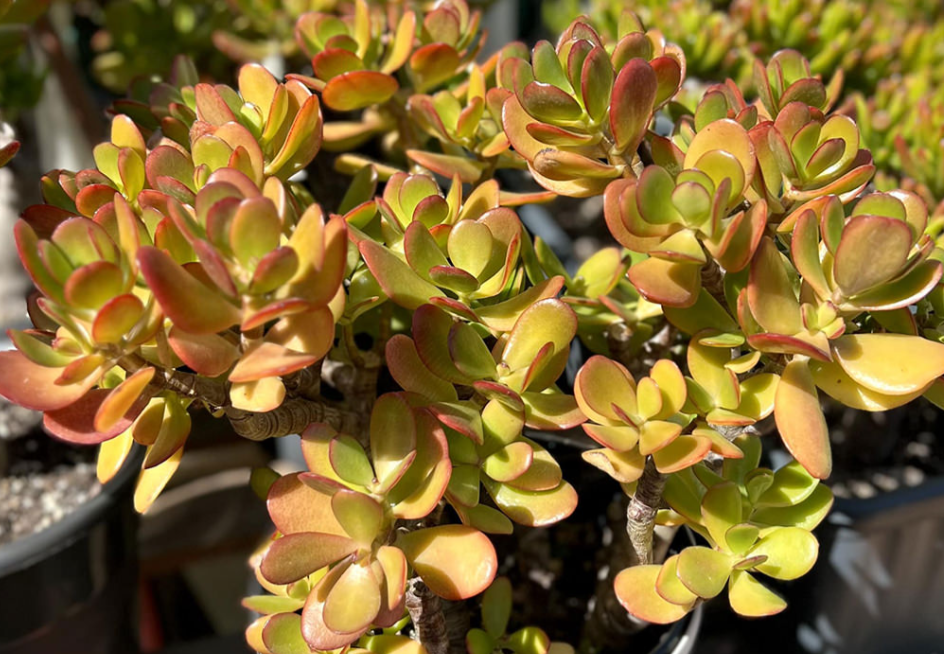
By observing these factors, you can determine the primary cause of your jade plant’s yellowing.
Section 3: Treatment Solutions
Once you've diagnosed the cause, take targeted action to revive your jade plant:
Immediate Actions to Take
- Adjust watering schedule: If overwatering is the issue, allow the soil to dry out completely before watering again. Water sparingly—typically once every 2-3 weeks.
- Move to a brighter location: If light is insufficient, relocate your plant to a spot with bright, indirect sunlight.
- Check the soil drainage: Ensure the pot has drainage holes and the soil is well-draining to prevent water accumulation.
Long-term Treatment Plan
- Repot with proper soil: Use a cactus or succulent mix that drains well. Gently remove rotted roots, trimming away any brown, mushy parts with sterilized scissors.
- Fertilize appropriately: During the growing season (spring and summer), feed with a balanced, diluted succulent fertilizer once a month.
- Establish regular care routines: Stick to consistent watering, lighting, and fertilization to prevent future issues.
What to Expect During Recovery
- Gradual leaf color improvement: Over a few weeks, you should notice the yellow leaves turning green again or new healthy growth emerging.
- New growth: Healthy, firm leaves will develop, indicating your jade plant is bouncing back.
Section 4: Prevention Tips
Prevention is always better than cure. Keep your jade plant healthy with these simple tips:
Care Routine Adjustments
- Water wisely: Water only when the top inch of soil feels dry.
- Fertilize regularly: During active growth periods, feed monthly with a succulent-specific fertilizer.
- Monitor watering: Adjust water frequency based on season and indoor conditions.
Environmental Factors to Monitor
- Lighting: Place your jade where it receives bright, indirect light for most of the day.
- Pot drainage: Use pots with drainage holes and avoid waterlogging.
- Temperature stress: Keep your plant away from drafts, cold windows, or excessive heat to prevent stress-induced yellowing. By adopting these preventive measures, you can maintain a vibrant, healthy jade plant and reduce the risk of yellowing leaves in the future.
Conclusion
Yellow leaves on your jade plant often stem from watering issues, lighting problems, or nutritional gaps—each easily manageable with the right care. Remember, it's normal for some lower, older leaves to yellow and drop, but if the yellowing is widespread or worsening, prompt action is needed. Don't be discouraged! With attentive care, your jade plant can recover quickly, becoming lush and vigorous once again. Start by diagnosing the cause, adjust your care routine accordingly, and monitor your plant’s progress. Before long, you'll enjoy a beautiful, thriving jade as the centerpiece of your indoor garden.
FAQ
Q: How long until I see improvement after changing care practices?
A: Typically, you can expect to see signs of recovery within 2-4 weeks. Healthy new leaves should appear, and yellowing leaves may slowly turn green or drop off. Consistency in your care routine is key to faster recovery.
Q: Can yellow leaves turn green again?
A: Yes, if the yellowing is caused by stress or early nutritional deficiencies and the plant is healthy, new growth should emerge green and vibrant. However, once leaves turn completely yellow and start to dry out, they won't revert to green and should be pruned.
Q: Should I prune the yellow leaves or leave them?
A: It's best to prune yellow or decayed leaves to prevent potential disease spread and improve the plant’s appearance. Use sterilized scissors or pruning shears, making clean cuts close to the stem.
With patience and proper care, your jade plant can bounce back from yellow leaves to a lush, vibrant display of succulent beauty. Happy gardening!