Discover why your ZZ plant's leaves turn yellow and learn practical tips to diagnose, treat, and prevent this common issue for healthy, vibrant growth.
Introduction
Noticing yellow leaves on your ZZ plant can be worrying—are your beloved indoor plant's health and vitality at risk? You're not alone; many plant enthusiasts encounter this issue, even with experienced care. Fortunately, yellowing leaves are often signs of understandable problems that can be fixed with attentive care. In this article, we'll explore why is my ZZ plant having yellow leaves?, how to diagnose the exact cause, and provide effective solutions to revive your plant’s lush, green appearance. With patience and proper care, your ZZ plant can bounce back and flourish again.
Section 1: Understanding the Problem
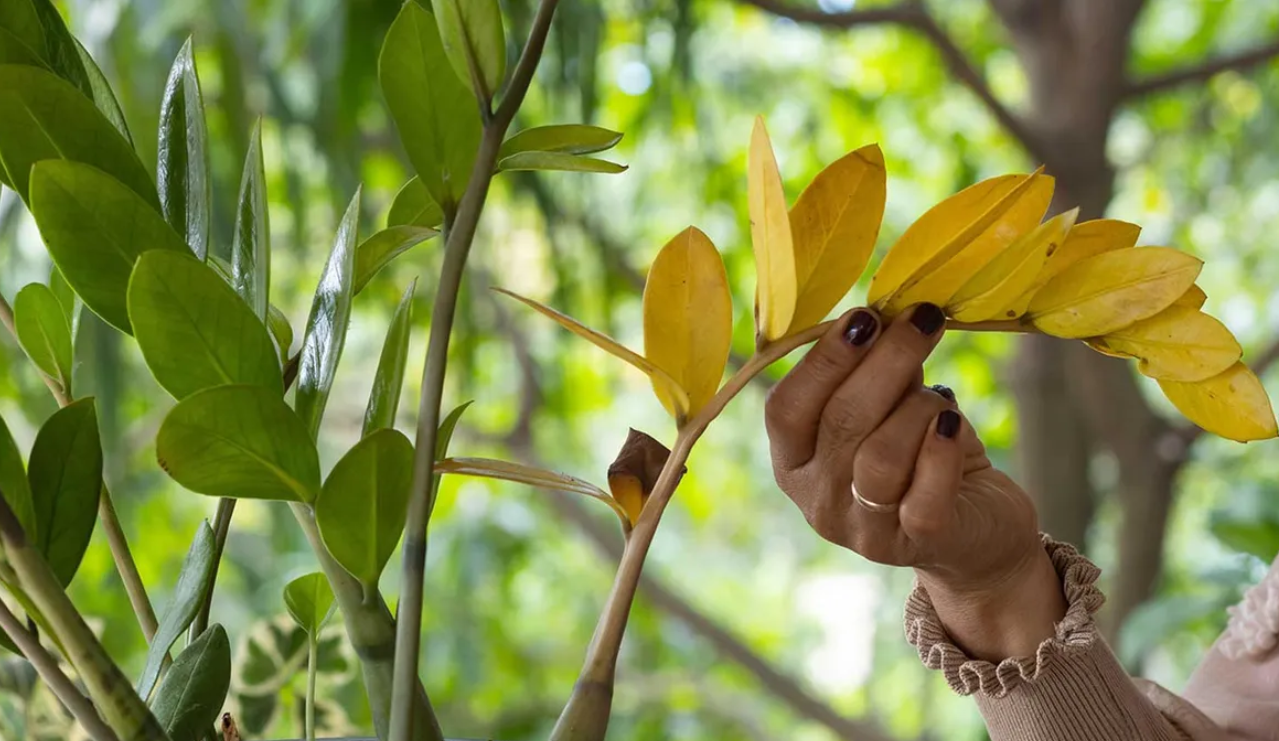
Visual Identification of Yellow Leaves
First, it helps to understand what yellow leaves look like. The signs can vary:
- Whole leaves turning yellow: The entire leaf loses its vibrant green hue and becomes uniformly yellow.
- Leaf tips discoloring: Edges or tips of leaves turn yellow before spreading inward.
- Spots or blotches: Yellow patches appearing randomly on the leaf surface. Recognizing these patterns can guide you toward the underlying cause.
Common Causes Overview
Several factors can cause yellowing of ZZ plant leaves:
- Overwatering or waterlogged soil: Excess moisture can suffocate roots, leading to yellow, soft, or wilting leaves.
- Underwatering: Lack of water causes stress, resulting in yellow, drooping foliage.
- Improper light conditions: Too much direct sunlight or insufficient light can impede photosynthesis.
- Nutrient deficiencies: Lack of essential nutrients like nitrogen can cause overall yellowing.
- Pests: Infestations, such as mealybugs or scale, can weaken the plant and cause yellowing. Understanding these common issues sets the stage for proper diagnosis.
Section 2: Diagnosing the Exact Cause
Step-by-Step Process to Pinpoint the Issue
Cause 1: Overwatering or Waterlogged Soil
- Check soil moisture: Insert your finger about 1-2 inches into the soil. If it feels wet or soggy, overwatering is probable.
- Inspect drainage: Ensure the pot has drainage holes; standing water indicates poor drainage. Tip: Use a moisture meter for more accurate readings.
Cause 2: Insufficient Light or Too Much Direct Sun
- Observe the plant's position: Is it placed near a window with harsh direct sunlight? For ZZ plants, bright, indirect light is ideal.
- Signs of light stress: Yellowing, scorched leaf tips, or pale, dull leaves. Tip: Move the plant to a spot with filtered or diffused light if necessary.
Cause 3: Nutrient Deficiency
- Assess overall health: Are leaves smaller than usual or dull in color?
- Fertilization history: Has the plant been fertilized recently? A lack of nutrients may manifest as yellowing. Tip: Use a balanced houseplant fertilizer during the growing season.
How to Tell Which Cause Applies to Your ZZ Plant
- Overwatering: Soft, yellow leaves with a musty smell from roots.
- Underwatering: Wilted, yellow leaves that feel dry.
- Too much sun: Pale or scorched leaves with yellow patches.
- Nutrient deficiency: Uniform yellowing across healthy-looking leaf blades. Careful observation and soil checks are key.
Section 3: Treatment Solutions
Immediate Actions
- Adjust watering habits: Allow soil to dry out between waterings; reduce frequency if overwatered.
- Improve drainage: Repot using well-draining soil and ensure the pot has drainage holes.
- Relocate the plant: Move away from direct sun or drafts and place in bright, indirect light.
Long-term Treatment Plan
- Establish a consistent watering schedule: Typically, watering once every 2-3 weeks suffices, depending on indoor conditions.
- Provide appropriate lighting: Keep your ZZ plant in a spot with bright, indirect light.
- Fertilize properly: During the growing season (spring and summer), feed with a diluted balanced fertilizer every 4-6 weeks.
Monitoring Recovery
- Watch for the appearance of new, healthy green leaves.
- Remove any fully yellow or brown, dead leaves to encourage new growth.
- Keep observing soil moisture levels to prevent future overwatering.
Section 4: Prevention Tips
Care Routine Adjustments
- Use well-draining soil: A mix designed for succulents or cacti works well.
- Avoid overwatering: Always check soil moisture before watering.
- Ensure proper light: Position your ZZ plant where it receives bright, indirect sunlight.
Environmental Factors
- Control humidity and temperature: ZZ plants prefer average indoor humidity and temperatures between 65-75°F (18-24°C).
- Avoid drafts and direct harsh sunlight: Both can cause stress and yellowing. By maintaining a consistent and suitable environment, you can keep your ZZ plant healthy and vibrant.
Conclusion
Yellow leaves on your ZZ plant often signal issues like watering mistakes or light imbalance but are usually reversible with proper care. Recognizing the signs early and diagnosing the root cause is crucial. Take these simple yet effective steps: adjust watering habits, enhance drainage, optimize light conditions, and provide balanced fertilization. With patience, your plant can recover, regaining its lush, green appearance and thriving indoor presence. Next steps: Review your current care routine, identify possible problems, and implement the recommended solutions. Your ZZ plant will thank you with vibrant, healthy leaves.
FAQs
Q: How long until I see improvement after changing care methods?
A: Typically, you can notice signs of recovery within a few weeks. New healthy leaves may start emerging in about 4-6 weeks if conditions are corrected promptly. Be patient and consistent with your care.
Q: Can my ZZ plant fully recover from yellow leaves?
A: Yes, especially if the cause was minor or temporary. Yellowing leaves may not turn green again, but new growth can be healthy and vibrant, restoring your plant’s overall appearance.
Q: Should I prune or remove the yellow leaves?
A: It's advisable to remove fully yellow or brown leaves to improve the plant’s appearance and prevent potential pest issues. Use clean, sharp scissors or pruning shears and dispose of the cuttings properly.
Remember, caring for your ZZ plant is a rewarding journey. With a little attention and love, your plant can rebound beautifully and continue to brighten your indoor space for years to come!