Quick Summary: White fuzzy growth on your Pothos can be caused by fungal infections, pests, or environmental factors like high humidity. Luckily, with proper diagnosis and care, you can eliminate the problem and help your plant thrive again.
Introduction
Noticing white fuzzy growth on your beloved Pothos can be pretty alarming—your instinct may be to panic, worry about losing your plant, or feel unsure of what’s happening. As a fellow plant lover, I understand how deeply you care about your green friend, and I want to reassure you that most issues like this are common, manageable, and often easy to fix. White fuzz isn’t always a sign of a severe problem, but it does require attention. It might be a fungal growth, mold, or pest-related debris, each with its own treatment approach. This article is here to guide you step-by-step: from identifying the cause, diagnosing the specific issue, applying the right remedies, and preventing future occurrences. With patience and a bit of care, you’ll have your Pothos looking healthy and vibrant again in no time!
Section 1: Understanding the Problem
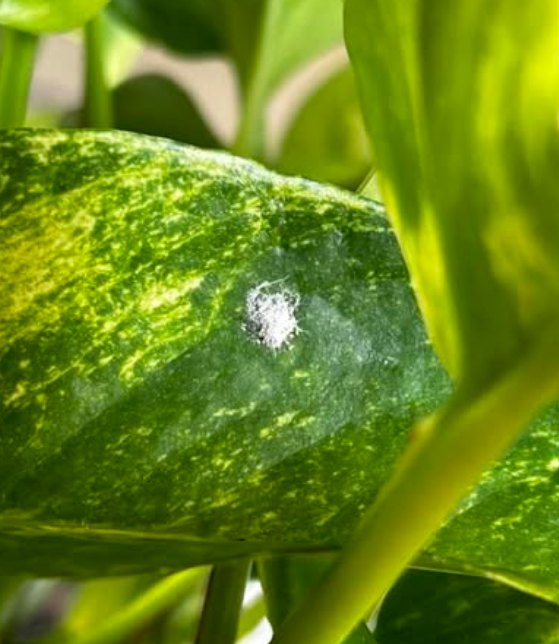
White fuzz on your Pothos typically appears as a fluffy, cotton-like substance on the leaves, stems, or soil surface. Recognizing what it looks like and understanding why it shows up is the first step toward managing it effectively.
Visual identification:
- Fluffy, cotton-like patches on the leaves, stems, or soil.
- May be fuzzy to the touch and white or off-white in color.
- Sometimes appears as a powdery coating or moldy growth.
Common causes overview:
- Fungal infections: such as powdery mildew or mold, thrive in humid environments and can look like white fuzz.
- Mold growth: especially if the soil surface or pot is damp and lacks airflow.
- Pest-related stuff: like mealybugs or sooty mold produced by pests such as scale insects or aphids. These pests secrete a sticky substance that mold then grows over. Recognizing which of these causes is happening is essential to choosing the right treatment. Next, we’ll dive into how to distinguish between these common issues.
Section 2: Diagnosing the Exact Cause
To get your Pothos back to health, follow these steps to identify if the white fuzz is from a fungal infection, pests, or environmental factors:
Cause 1: Fungal Infection (Powdery Mildew or mold)
- Symptoms: Powdery white or grayish patches mainly on leaves or stems, which can spread if not addressed.
- How to confirm: Gently brush the fuzzy area with your finger—if it’s powdery and can be wiped off easily, it’s likely fungal.
- Why it happens: Excess humidity, poor air circulation, overwatering, or watering late in the day can promote fungal growth.
Cause 2: Pest infestation (Mealybugs or Sooty Mold)
- Symptoms: White, cottony clusters (mealybugs), often found near leaf joints. The presence of sticky residue (honeydew) which promotes sooty mold growth.
- How to confirm: Inspect closely with a magnifying glass for tiny pests or clusters, especially on leaf undersides or stems.
- Why it happens: Pests often come from new plants or via other houseplants. They thrive in warm, humid environments and can be difficult to control if not caught early.
Cause 3: Excess humidity or poor airflow promoting mold growth
- Symptoms: Fuzzy white patches that appear mainly in humid, poorly ventilated spaces. Usually, the fuzz is on soil surface or the lower part of the plant.
- How to confirm: Check your environment—are you watering too frequently? Is the room humid? Do you notice stale air?
- Why it happens: Indoor heating or humid climates, combined with minimal airflow, create perfect conditions for mold and fungi.
How to tell which cause is active:
- Look for pests: Tiny insects, honeydew, or black sooty mold.
- Check humidity and watering habits: Is the soil damp for days?
- Examine the growth closely: Is it powdery or fuzzy? Can you spot pests?
Use this checklist to help pinpoint the exact problem—this clarity will guide the most effective treatment.
Section 3: Treatment Solutions
Once you’ve diagnosed the cause, here’s how to treat it effectively:
Immediate Actions (First 24-48 Hours):
- Isolate your Pothos to prevent the problem from spreading to other plants.
- Gently wipe the affected areas with a damp cloth or soft brush to remove loose fuzz and pests.
- Prune heavily infected or moldy leaves and stems with clean, sharp scissors or pruning shears. Dispose of eliminated material in the trash—avoid composting to prevent spreading.
Natural Remedies:
- Neem oil spray: Mix according to package instructions and spray all affected parts. Neem oil acts as an antifungal and insecticide.
- Insecticidal or insecticidal soap: Use a gentle spray to eliminate mealybugs or scale pests.
- Hydrogen peroxide solution: Mix one part hydrogen peroxide (3%) with four parts water and lightly spray soil and affected areas to kill mold spores and pests.
Chemical Options:
- Fungicides: Use a houseplant-safe fungicide if natural remedies aren’t enough. Follow product instructions carefully to avoid plant damage.
- Pesticides: For severe pests, consider a horticultural oil or systemic insecticide, but use sparingly and as a last resort.
Environmental adjustments:
- Improve airflow: Use a small fan or move your plant to a more ventilated spot.
- Reduce humidity: Avoid overwatering—allow soil to dry slightly between waterings; reduce indoor humidity with a dehumidifier or air purifier.
- Adjust watering schedule: Typically, water only when the top inch of soil feels dry.
Long-term plan:
- Regularly inspect your Pothos for early signs of fuzz or pests.
- Keep leaves dry during watering—water at the base if possible.
- Maintain a clean environment around your plant to prevent mold build-up. Note: Recovery times vary—from a week for mild cases to a few weeks for severe infestations. Watch for signs of improvement—fuzz should diminish, and healthy new growth will emerge.
Section 4: Prevention Tips
Prevention is always better than cure. Keep your Pothos healthy and less prone to fungal or pest problems with these simple, actionable tips:
- Maintain good airflow: Place your plant in a well-ventilated spot and avoid overcrowding other plants, which can trap humidity.
- Avoid overwatering: Water only when the top inch of soil is dry to prevent overly damp roots and soil.
- Monitor and regulate humidity: Keep indoor humidity levels moderate—ideally between 40-60%. Use a dehumidifier in humid climates.
- Regularly inspect and clean: Wipe leaves with a damp cloth monthly to remove dust and early signs of pests or mold.
- Quarantine new plants: Isolate new additions for a couple of weeks to catch any pests or diseases early.
- Use natural preventative sprays: Every few weeks, lightly spray your Pothos with neem oil or insecticidal soap for added protection. By establishing these habits, you’ll greatly reduce the chances of white fuzz reappearing and keep your Pothos healthy and vibrant.
Frequently Asked Questions
Q: How long until I see improvement after treatment?
A: Mild cases often improve within one to two weeks; you should see fuzz decrease and new healthy growth emerge. Severe infestations may take several treatments over a month.
Q: Can I prevent white fuzz from returning?
A: Yes! Keep humidity in check, ensure good airflow, avoid overwatering, and regularly inspect your plant. Natural preventive sprays like neem oil can also help.
Q: Should I prune heavily infected leaves or stems?**
A: Absolutely. Removing the most infected parts reduces the spread and encourages healthy new growth. Always sterilize your pruning tools afterward.
Conclusion
Key Takeaways:
- White fuzz on your Pothos usually results from fungal growth, pests, or excess humidity.
- Proper diagnosis—by examining the fuzz and environmental conditions—is vital.
- Treatments like gentle cleaning, natural remedies, and improving airflow help restore your plant.
- Preventative care—good watering, airflow, and inspection—protects your Pothos from future fuss.
Remember, most issues are manageable with patience and consistent care. Your Pothos can recover beautifully, returning to its lush, vibrant self. Keep nurturing your plant, stay observant, and enjoy the lush greenery you’ve cultivated!
Happy plant parenting!