Discover why your ZZ plant's leaves are soft and how to restore its health with simple diagnostic steps and effective treatment tips. Rejuvenate your plant today!
If you've noticed that your beloved ZZ plant's leaves are becoming soft, saggy, or limp, it's understandable to feel worried. This popular indoor plant is known for its low maintenance and striking appearance, but soft leaves can be a sign that something isn't quite right. Fortunately, with a bit of detective work and some easy adjustments, you can help your ZZ plant bounce back to health. In this article, we'll explore why your ZZ plant's leaves are soft, how to diagnose the root cause, and the best treatments and preventive measures to ensure long-term vitality. Whether you're a beginner or an experienced plant enthusiast, you’ll find practical tips to restore your plant’s natural firmness and lushness.
Section 1: Understanding the Problem
Visual identification of soft, sagging leaves
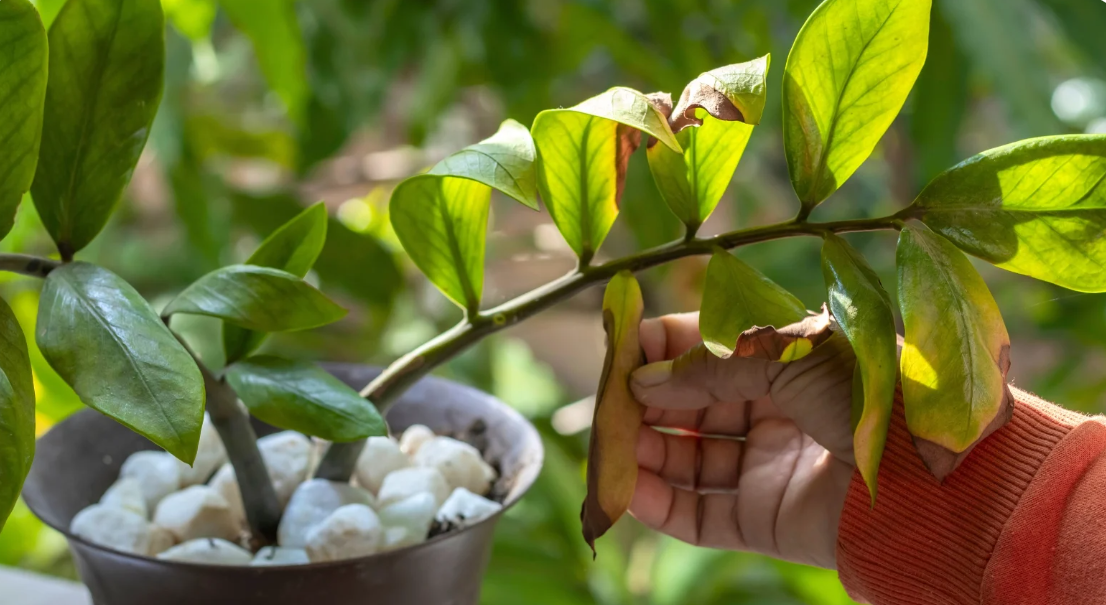
Soft leaves on a ZZ plant often look droopy, wilted, or limp compared to their normal upright stance. They might feel mushy or squishy to the touch, and sometimes, you’ll notice discoloration or spots. The leaves may hang down or appear puckered, indicating they are not getting the right care.
Common causes overview: overwatering, root rot, low humidity, or pests
Several factors can cause soft leaves in a ZZ plant, including:
- Overwatering leading to waterlogged roots and root rot
- Underwatering causing dehydration and wilted foliage
- Low humidity or dry indoor air resulting in moisture loss from leaves
- Pests or diseases damaging foliage or roots
- Stress from transplantation or environmental changes Recognizing which of these is affecting your plant is the first step to fixing the issue.
Section 2: Diagnosing the Exact Cause
To effectively treat your ZZ plant, you need to identify what’s causing the soft leaves. Follow these steps:
Cause 1: Overwatering leading to root rot
Symptoms: Mushy or blackened roots if you inspect the soil or roots; soggy soil that smells sour or rotten. How to diagnose:
- Gently remove the plant from its pot to examine the roots. Healthy roots are firm and white or light tan.
- If roots are brown, black, and slimy, root rot is present caused by excess water.
Cause 2: Low humidity or dry indoor air
Symptoms: Edges or tips of leaves turn brown or crispy, while central parts become limp. This often occurs in winter when indoor air is heated and dry. How to diagnose:
- Check the ambient humidity—ideally, it should be above 40%.
- Observe leaf edges for dryness or browning.
Cause 3: Pests or diseases damaging the foliage
Symptoms: Tiny insects visible on leaves or stems, sticky residue (honeydew), or webbing. Leaves may be soft due to feeding damage. How to diagnose:
- Inspect leaves and stems closely for pests like spider mites, scale, or mealybugs.
How to tell which reason applies to your plant
- If roots are mushy or rotting, overwatering is the culprit.
- If roots look healthy but leaves are limp and dry, environmental factors like low humidity are likely responsible.
- Visible pests point toward pest damage.
Section 3: Treatment Solutions
Once you've pinpointed the cause, implement targeted remedies:
Immediate actions: adjust watering, improve humidity, inspect roots
- Overwatering/root rot:
- Remove your ZZ plant from the pot.
- Carefully trim away rotted roots with sterilized scissors.
- Repot in well-draining soil and a pot with drainage holes.
-
Water only when the top inch of soil dries out.
-
Low humidity:
- Increase ambient humidity using a humidifier or place a water tray nearby.
-
Mist the plant lightly, especially during dry seasons.
-
Pests:
- Use insecticidal soap or neem oil to treat infestations.
- Wipe leaves gently with a soft cloth dipped in soapy water.
Long-term treatment plan: repotting, pest control, environmental adjustments
- Ensure your ZZ plant is in a bright, indirect light location.
- Use a potting mix suitable for succulents or cacti with excellent drainage.
- Maintain consistent watering—allow the soil to dry out completely between watering sessions.
- Regularly inspect for pests and signs of stress.
Monitoring recovery: signs of improvement and when to prune
- Look for healthy new growth and leaves firmening up.
- After adjusting care, leaves should gradually regain their stiffness within a few weeks.
- Prune dead or severely damaged leaves to encourage new, healthy growth.
Section 4: Prevention Tips
Prevention is key to keeping your ZZ plant thriving:
Maintain appropriate watering schedule and drainage
- Water only when the top inch of soil feels dry.
- Use pots with drainage holes to prevent water accumulation.
- Avoid letting your plant sit in standing water.
Ensure proper lighting and humidity levels
- Place your ZZ plant in bright, indirect light—avoid direct sunlight that can scorch leaves.
- Keep indoor humidity moderate; use humidifiers or water trays if air is very dry.
Regular inspection for pests and diseases
- Check your plant weekly for signs of pests or distress.
- Isolate new or struggling plants to prevent pests from spreading.
Conclusion
In summary, soft leaves on your ZZ plant can stem from various issues like overwatering, low humidity, or pests. By carefully diagnosing the problem through visual inspection and environmental assessment, you can implement targeted treatments such as adjusting watering routines, improving humidity, or removing pests. Remember, patience is vital—most problems can be reversed with consistent care. Your ZZ plant is resilient—with attentive and proper care, it can recover from soft leaves and thrive once again. Don’t get discouraged; each corrective step brings your plant closer to regaining its lively, upright beauty. Next steps: Apply the solutions discussed, monitor your plant’s response, and adjust your care routine as needed. Your green thumb will reward you with a healthy, vibrant ZZ plant!
FAQ
Q: How long until I see improvement after fixing watering issues?
A: Typically, you can observe signs of recovery within two to four weeks. Leaves that were limp may start to firm up, and new, healthy growth should appear soon after the root system recovers.
Q: Can my ZZ plant fully recover from root rot?
A: Yes, if you catch root rot early and remove all infected roots, your ZZ plant can recover. It might take some patience, but with proper rehab, most plants bounce back and regain their vitality.
Q: Should I prune the soft, damaged leaves or wait for new growth?
A: It’s best to prune dead or severely damaged leaves to encourage healthy new growth. Removing soft, sagging leaves also improves the plant’s appearance and reduces stress on the plant while it recovers.
Remember, caring for indoor plants requires patience, observation, and love. Your ZZ plant’s soft leaves are just a sign to review and adjust your care routine. With dedication, your plant will flourish once again!