Noticing those unsightly brown tips on your ZZ plant? You're not alone, and the good news is — it's fixable!
If your beloved indoor plant is showing signs of distress with brown tips on its leaves, don’t worry. Brown tips are a common issue among ZZ plant enthusiasts, especially for beginners. Fortunately, with a bit of understanding and simple adjustments, you can restore your plant’s health and keep it thriving.
This comprehensive guide will help you understand why brown tips appear, how to accurately diagnose the cause, and easy solutions to revive your ZZ plant. With a little patience and care, you'll see your plant bounce back to vibrant health. Let's get started!
Section 1: Understanding the Problem
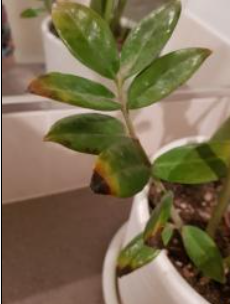
Visual identification: recognizing brown tips versus healthy leaf tips
The first step in fixing brown tips is knowing what they look like. Healthy ZZ plant leaves are glossy, firm, and a vibrant shade of green. Brown tips usually appear as dry, crispy, or yellowish edges at the end of the leaf blades. Sometimes, the entire tip may be dark brown or tan, indicating distress.
Common causes overview: overwatering, underwatering, low humidity, salt build-up, and insufficient light
Several factors can cause brown tips on your ZZ plant:
- Overwatering: Excess water can lead to root rot and nutrient imbalance, manifesting as browning at leaf tips.
- Underwatering: Insufficient watering causes dehydration, making leaf tips dry out and turn brown.
- Low humidity: Dry indoor air, especially in winter or heated spaces, can cause leaf tips to dry and turn brown.
- Salt and mineral build-up: Excessive fertilization causes salts to accumulate in the soil, leading to leaf tip burn.
- Insufficient light: Poor lighting can stress the plant, leading to unhealthy foliage and browning tips. Understanding these common causes is essential to diagnosing and fixing the problem effectively.
Section 2: Diagnosing the Exact Cause
Follow these steps to determine what’s affecting your ZZ plant:
Cause 1: Overwatering — symptoms and signs
- Symptoms: Soil stays soggy, roots are rotted or smell foul, and leaves may become yellow before browning.
- Signs on leaves: Brown tips appear after overwatering, sometimes accompanied by drooping or yellowing.
Cause 2: Low humidity or dry air conditions
- Symptoms: Leaf edges dry out, become crispy, and brown.
- Signs: Particularly common during winter when indoor heating dries the air.
Cause 3: Salts and mineral build-up from fertilizers
- Symptoms: Edges of leaves turn brown or tan, especially near the tips.
- Signs: White crust or deposits on soil surface or around pot edges.
How to tell which cause applies to your plant
- Observe your watering habits: Is the soil consistently soggy or excessively dry?
- Assess your indoor environment: Is the air dry, especially during winter?
- Check your fertilization routine: Are you using fertilizers often or in high doses?
- Examine the soil surface for salt deposits or crusts. Once you pinpoint the primary cause, you can apply targeted treatment strategies.
Section 3: Treatment Solutions
Immediate actions: adjust watering, flush soil, increase humidity
- For overwatering:
- Remove the plant from soggy soil.
- Allow the soil to dry out completely before watering again.
- Repot in well-draining soil if necessary to prevent root rot.
- To fix salt build-up:
- Flush the soil thoroughly with distilled or rainwater to wash away excess salts.
- Refrain from fertilizing for a few months to prevent recurrence.
- To combat dry air:
- Increase humidity around your plant.
- Use a humidity tray, or mist leaves lightly (not excessively).
- Consider placing your ZZ plant in a more humid spot, away from direct heat sources.
Long-term treatments: proper watering schedule, fertilization tips, environmental adjustments
- Watering routine:
- Allow the top inch of soil to dry out between waterings.
- Water thoroughly, ensuring excess drains out of the pot's bottom.
- Fertilization:
- Use a balanced, diluted houseplant fertilizer once a month during the growing season.
- Avoid over-fertilizing, which causes salt buildup.
- Lighting and environment:
- Provide bright, indirect light to reduce stress.
- Keep the plant away from cold drafts or heat vents.
Monitoring recovery: signs of improvement, when to prune damaged tips
- Watch for new, healthy growth after adjustments.
- Prune completely brown or crispy tips with clean scissors to redirect energy into healthy growth.
- Be patient—most issues will improve within a few weeks of proper care.
Section 4: Prevention Tips
Consistent watering practices and proper soil drainage
- Use pots with drainage holes.
- Water only when the top inch of soil feels dry.
- Ensure the soil is well-draining to avoid waterlogging.
Maintaining appropriate humidity levels
- Keep indoor humidity around 40-60%.
- Use humidifiers or pebble trays during dry winter months.
Using balanced fertilizers sparingly
- Stick with a balanced liquid fertilizer at half strength.
- Fertilize only during the active growing season (spring and summer).
Providing appropriate light conditions to avoid stress
- Place your ZZ plant in indirect bright light.
- Avoid direct sun that can scorch leaves or overly dark corners that cause stress.
Conclusion
Recap of causes, solutions, and preventive measures for brown tips on ZZ plants
Brown tips on your ZZ plant are usually caused by environmental stressors like overwatering, low humidity, salt build-up, or insufficient light. By diagnosing the root cause and applying targeted solutions—such as adjusting watering habits, increasing humidity, flushing out salts, and optimizing light—you can significantly improve your plant's health.
Encouragement
Remember, your ZZ plant is resilient! With attentive care and a few simple tweaks, it can bounce back from brown tips to lush, vibrant foliage.
Next steps
Implement the recommended changes today, monitor your plant’s response, and enjoy the journey of nurturing a healthier, happier ZZ plant.
FAQ
Q: How long does it take to see improvement after treatment?
A: Typically, you can expect to see signs of recovery within 2 to 4 weeks if you follow the recommended care adjustments. New growth indicates that your plant is on the mend.
Q: Can brown tips fully recover, or should I prune them off?
A: Brown tips that are crispy or dried out cannot recover. It's best to prune them off with clean scissors to promote healthy growth. Healthy leaf tips, however, can improve with proper care.
Q: How often should I water my ZZ plant to prevent new brown tips?
A: Water your ZZ plant every 2-3 weeks, allowing the top inch of soil to dry out completely between waterings. Adjust frequency based on your indoor conditions and season.
By following these guidelines, you're well on your way to a resilient, beautiful ZZ plant free of brown tips. Happy gardening!