Discover why your Philodendron’s leaves turn pale and learn effective diagnosis and treatment tips to restore its vibrant health. Easy solutions inside!
Introduction
Noticing your Philodendron’s leaves turning pale or losing their lush green color can be worrisome, especially if you’re invested in keeping your indoor plant healthy. Pale leaves often signal that something is off with the plant’s care or environment, but don’t worry—this common issue can usually be resolved with proper diagnosis and targeted adjustments.
In this article, we’ll guide you through understanding why your Philodendron’s leaves are fading, how to identify the root causes, and simple yet effective ways to bring back its vibrant foliage. Remember, with patience and proper care, your plant’s lush, healthy appearance is entirely achievable again.
Section 1: Understanding the Problem
Recognize What Pale or Faded Leaves Look Like and Why It Happens
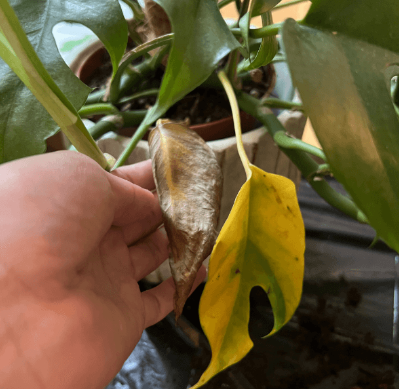
Pale or yellowing leaves are a typical sign that your Philodendron is experiencing stress or deficiency. These leaves often appear dull, washed-out, or have a yellowish hue compared to healthier, darker green foliage. Sometimes, the leaves may also look translucent or droopy. Common causes of pale leaves include:
- Insufficient light: Philodendrons prefer bright, indirect sunlight. Lack of adequate light can cause leaves to lose their vibrant color and appear dull.
- Improper watering: Both overwatering and underwatering can stress the plant, leading to leaf discoloration.
- Low humidity: Dry indoor air can cause leaves to fade or develop browning edges, especially if the environment lacks moisture.
- Nutrient deficiencies: A lack of essential nutrients such as nitrogen, magnesium, or iron hampers chlorophyll production, resulting in pale leaves.
- Overexposure to direct sunlight: While they need light, direct sun can scorch leaves or bleach their color, causing pale spots or fading. Understanding these symptoms and causes lays the foundation for accurate diagnosis and effective treatment.
Section 2: Diagnosing the Exact Cause
To effectively treat your Philodendron’s pale leaves, pinpoint the root cause by examining your plant’s environment and care routine with these steps:
Cause 1: Insufficient Light – Pale Leaves Can Be a Sign of Low Light Conditions
If your plant is placed in a dim corner away from windows, its leaves may lose pigment due to lack of light. Pale or yellowish leaves often reflect this deficiency. Check: Is your plant near a bright but indirect light source? Is it exposed to consistent light for at least 4-6 hours daily?
Cause 2: Overwatering or Underwatering – Both Can Lead to Stress and Leaf Discoloration
Overwatering causes root rot, impairing nutrient uptake, while underwatering stresses the plant, leading to nutrient deficiencies. Both result in pale, drooping leaves. Check: Feel the soil—if it’s waterlogged or bone dry? Does the plant show other signs of stress like wilting or yellowing?
Cause 3: Nutrient Deficiency – Lack of Essential Nutrients Causes Faded Foliage
A deficiency in nitrogen or magnesium, common in indoor plants, hampers chlorophyll synthesis. Leaves may turn pale or yellow, especially between veins. Check: When was the last time you fertilized? Is the overall plant growth sluggish?
How to Tell Which Issue Applies to Your Plant
- Low light: Pale leaves concentrate on the upper or outer parts; position near a window or consider grow lights.
- Watering issues: Soil moisture level is the key indicator; adjust watering accordingly.
- Nutrient issues: If the plant appears generally weak and has other deficiencies, consider fertilization. Accurately assessing these factors helps you tailor the right care adjustments.
Section 3: Treatment Solutions
Once you’ve identified the cause, apply targeted solutions for quick recovery:
Immediate Actions
- Adjust Lighting: Move your Philodendron to a spot with bright, indirect sunlight. If natural light is limited, supplement with grow lights.
- Modify Watering Habits: Let the top inch of soil dry out before watering again, and ensure pots have proper drainage to prevent waterlogging.
- Fertilize Properly: Use a balanced, water-soluble fertilizer (like 20-20-20) every 4-6 weeks during the growing season.
Long-term Treatment
- Establish a consistent watering schedule to prevent stress.
- Maintain adequate humidity levels (around 60-70%) by misting or using a humidifier, especially in dry winter months.
- Implement seasonal fertilization to avoid nutrient deficiencies.
Monitoring Recovery
Observe your plant over the following weeks:
- New leaves should emerge with healthy, vibrant color.
- Pale or yellow leaves may gradually turn green again or drop off.
- Consistent care will promote overall vigor and lush foliage.
Section 4: Prevention Tips
Prevention is always better than cure. Follow these care tips to keep your Philodendron thriving and prevent future pale leaf issues:
Ensure Appropriate Lighting
Place your plant near an east or north-facing window, or use grow lights if natural light is limited. Avoid harsh, direct sunlight which can scorch leaves.
Maintain Proper Watering
Check the soil moisture regularly. Use your finger or a moisture meter to gauge when to water, and always ensure pots have drainage holes.
Fertilize Regularly
Feed your Philodendron during its active growing seasons—spring and summer—using a balanced fertilizer according to package instructions.
Monitor Environmental Factors
Maintain stable temperatures (65-80°F / 18-27°C), avoid drafts or sudden temperature drops, and keep humidity levels ideal for tropical plants.
Conclusion
Pale leaves on your Philodendron can stem from various common issues such as inadequate light, watering mishaps, or nutrient deficiencies. The key to restoring its health lies in accurate diagnosis and consistent, tailored care. Rest assured, with patience and the right adjustments, your plant will regain its lush, vibrant greenery. Start by evaluating your plant’s environment—adjust light, watering, and fertilization routines—and monitor its progress over time. Your successful plant parent journey continues with the knowledge that healthy, beautiful foliage is within your reach!
FAQ
Q: How long does it take for a Philodendron’s leaves to regain their color after treatment?
A: Typically, you can expect to see new healthy growth within 2 to 4 weeks after correcting light, watering, and fertilization issues. Existing pale leaves may gradually green up or fall off as new, vibrant leaves emerge.
Q: Can I prune pale or yellow leaves, or should I leave them to recover?
A: It’s best to prune completely yellow or damaged leaves. Removing them improves the plant’s appearance and redirects energy toward new healthy growth. Use clean, sharp scissors or pruning shears for a neat cut.
Q: What are the best fertilizers for preventing leaf pale issues?
A: A balanced, water-soluble fertilizer (such as 20-20-20) applied during the active growing season is ideal. For extra magnesium and iron, consider a micronutrient supplement or a fertilizer formulated for foliage plants to promote lush, green leaves.
By taking proactive steps and understanding your Philodendron’s needs, you’ll keep its foliage lush and vibrant for years to come. Happy gardening!