Learn how to diagnose and fix soft leaves in your Peace Lily with simple, practical tips. Ensure healthy, vibrant foliage with expert care guidance.
Introduction
Noticing your Peace Lily's leaves turning soft can be worrying, especially when you love your plant and want it to thrive. Soft, drooping leaves are often a sign that something's off with your plant's care or environment. The good news is that most issues causing soft leaves are easily fixable once you identify the root cause. This guide will walk you through understanding what soft leaves look like, diagnosing the problem accurately, and applying straightforward solutions. With patience and proper care adjustments, your Peace Lily can bounce back to lush, vibrant health. So, let’s dive in and help your leafy friend regain its strength!
Section 1: Understanding the Problem
Visual Identification: How Do Soft, Drooping Leaves Appear?
Soft leaves in a Peace Lily typically appear limp, weak, and saggy. They may seem wilted or droop downward, even if the soil isn’t visibly dry. Sometimes, the leaves may feel mushy or overly tender to the touch, which indicates they are losing firmness. In contrast to healthy leaves, soft ones might also display yellowing or browning edges, signaling stress or underlying issues.
Common Causes Overview
Several factors can cause your Peace Lily's leaves to soften, including:
- Overwatering, leading to root rot
- Underwatering, causing dehydration
- Low humidity, stressing the plant
- Root problems, such as damaged or rotting roots
- Pest infestations, which weaken plant health Understanding these causes sets the foundation for effective troubleshooting.
Section 2: Diagnosing the Exact Cause
To properly treat your Peace Lily, you need to carefully diagnose the underlying issue. Follow this step-by-step process:
Cause 1: Overwatering Leading to Root Rot
Symptoms:
The soil feels consistently soggy, and the leaves become limp and soft. Overwatering often results in oxygen-starved roots, which begin to rot, impairing nutrient absorption.
Cause 2: Underwatering Causing Dehydration
Symptoms:
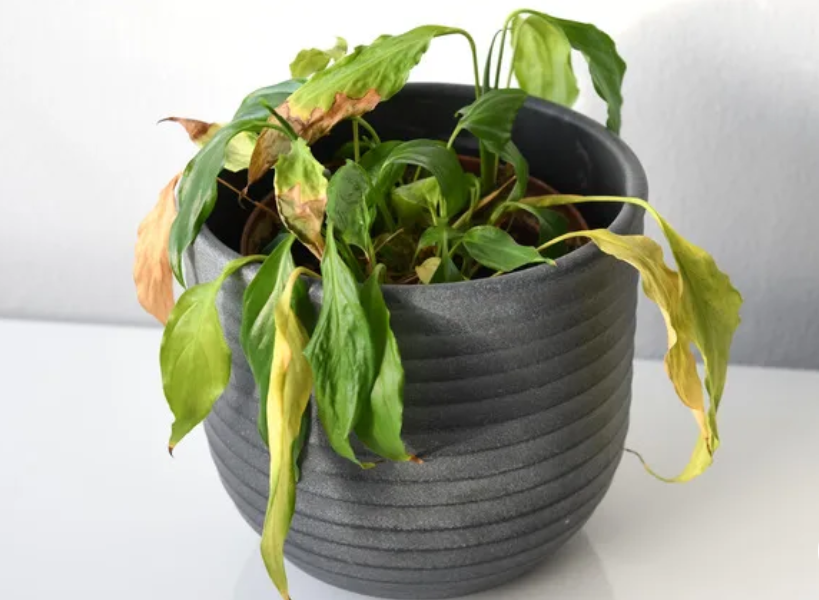
Soil feels dry days after watering, and leaves are drooping and soft due to lack of moisture. The plant conserves water, causing leaves to wilt.
Cause 3: Low Humidity Stressing the Plant
Symptoms:
Leaves become soft and limp, particularly in dry indoor environments. This is common during winter when heating reduces ambient humidity.
How to Tell Which Cause Applies to Your Plant — Diagnostic Tips
- Check soil moisture with your finger or a moisture meter.
- Inspect roots: Gently remove the plant from its pot to examine roots. Rotted roots are brown or black with a foul smell.
- Assess humidity: Is your room air dry? Are your plant’s leaves curling or feeling brittle?
By systematically checking these factors, you’ll identify whether overwatering, underwatering, or low humidity is responsible.
Section 3: Treatment Solutions
Once you pinpoint the cause, implement targeted actions to revive your Peace Lily.
Immediate actions
- Check soil moisture and adjust watering accordingly.
- Improve humidity by misting leaves regularly, placing a humidifier nearby, or setting the pot on a humidity tray with pebbles and water.
- Remove soggy or dry soil if necessary, especially if overwatering or underwatering is evident.
Long-term treatment plan
- If root rot is detected:
- Carefully trim away rotted roots with sterilized scissors.
- Repot the plant into fresh, well-draining soil and a clean pot.
- Water only when the top inch of soil feels dry.
- For overwatering habits:
- Reduce watering frequency, allowing the soil to dry out between waterings.
- Ensure the pot has drainage holes to prevent water accumulation.
- For low humidity issues:
- Increase ambient humidity as mentioned above.
- Keep the plant away from direct heat sources.
Monitoring During Recovery
Look for signs of improvement such as firming leaves, new growth, and a healthier color. Pruning excessively soft or damaged leaves can help the plant focus energy on healthy parts but do so only after the plant shows signs of recovery.
Section 4: Prevention Tips
Prevention is always better than cure. Keep your Peace Lily thriving with these simple tips:
Adjust Care Routines
- Water your plant on a regular schedule, ensuring the soil dries out slightly between waterings.
- Provide bright, indirect light for optimal growth.
- Use a humidifier or mist leaves regularly during dry seasons.
Monitor Environmental Factors
- Ensure proper drainage by using a pot with drainage holes.
- Use an appropriately sized pot—not too big or small—to prevent waterlogging or root constriction.
- Regularly inspect for pests such as spider mites or mealybugs, which can stress the plant.
Conclusion
Recap of Key Diagnostic Steps, Treatment Options, and Preventive Measures In summary, soft or drooping leaves in your Peace Lily can result from overwatering, underwatering, low humidity, or root problems. The first step is carefully diagnosing the cause—checking soil moisture, inspecting roots, and assessing environmental conditions. Once identified, implement targeted solutions like repotting, adjusting watering habits, or increasing humidity to restore plant health. With attentive care and preventive practices, your Peace Lily can recover from softness and flourish once more. Remember, patience and consistent nurturing are key! Next steps:
- Follow the recommended care adjustments.
- Monitor your plant closely for signs of recovery.
- Keep learning about indoor plant care to prevent future issues.
Enjoy your greener, healthier indoor oasis!
FAQ
Q: How long until I see my Peace Lily recover after adjusting watering?
A: Typically, you’ll notice improvement within one to two weeks. If the leaves were severely wilted due to over- or underwatering, new healthy growth should begin to appear in a month. Consistent care and monitoring are vital during this recovery period.
Q: Can soft leaves be permanent, or will they harden over time?
A: Soft or drooping leaves are usually a sign of temporary stress. If the root system and overall health improve, older soft leaves may not recover fully but can be pruned—allowing the plant to produce fresh, firm foliage. Permanent softening is rare if underlying issues are addressed promptly.
Q: Should I prune the soft leaves, or leave them for the plant to recover naturally?
A: It’s generally beneficial to prune severely softened, damaged leaves. Removing these helps prevent disease and allows the plant to direct energy toward new, healthy growth. Use clean, sharp scissors and avoid over-pruning.
With these insights and actionable steps, you’re well-equipped to troubleshoot and fix Peace Lily soft leaves. Happy gardening!