Introduction
Seeing tiny white, cotton-like pests on your beloved pothos can be quite alarming. You might worry about the health of your plant and wonder how to get rid of mealybugs effectively. Don’t worry—you're not alone, and help is available. With the right approach, patience, and consistent care, you can eliminate these pests and restore your pothos to its lush, vibrant state.
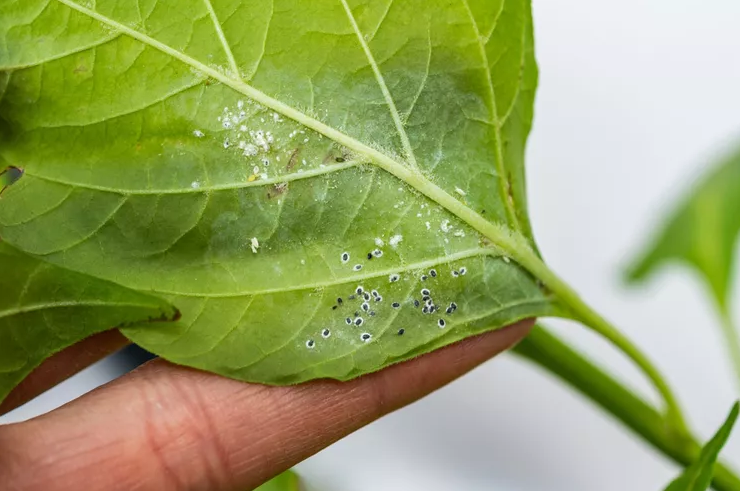
This guide will walk you through how to identify mealybugs, diagnose the infestation correctly, explore proven treatment options—both natural and chemical—and provide practical tips on preventing future problems. Whether you’re a beginner or a seasoned plant enthusiast, you can tackle this issue confidently and keep your pothos healthy for years to come.
Section 1: Understanding the Problem
Visual Identification: What Do Mealybugs Look Like?
Mealybugs are small, soft-bodied insects covered with a white or grayish, cotton-like coating. They often cluster in hidden places such as leaf joints, stems, and undersides of leaves. These pests are typically between 1/16 to 1/4 inch long, making them hard to spot at first glance, but their distinctive cottony appearance makes identification easier once you know what to look for.
Why Do They Infest Pothos Plants?
Several factors contribute to mealybug infestations on pothos plants. These pests thrive in conditions where:
- Overwatering creates moist, humid environments that favor their growth.
- Poor airflow can lead to increased humidity and stagnant air, encouraging pests.
- Contaminated tools or new plants introduce mealybugs into your indoor garden. Understanding these causes helps you take proactive steps to prevent future infestations.
Section 2: Diagnosing the Exact Cause
Confirming the Presence of Mealybugs
The first step is a precise diagnosis. Carefully examine your pothos for:
- White, cottony spots on stems or leaf joints.
- Tiny insects that may be moving slowly or appear stationary.
- Sticky residue or sooty mold on leaves, indicating pest activity (often caused by their honeydew excretions).
Differentiating from Other Pests
While mealybugs are distinctive, other pests like scale insects or aphids can resemble them. To distinguish:
- Physically remove a suspected pest with a cotton swab dipped in alcohol. If it rolls away or dissolves, it’s likely a mealybug.
- Look for cottony filaments characteristic of mealybugs.
- Check for sticky honeydew or mold, which signals pest presence.
How to Tell Which One It Is
Use a magnifying glass to closely inspect the affected areas. Proper identification ensures you choose the most effective treatment method.
Section 3: Treatment Solutions
Immediate Actions: Manual Removal
- Use a soft toothbrush or cotton swab dipped in isopropyl alcohol to gently scrub off visible mealybugs.
- Rinse the plant with lukewarm water to wash away pests and debris.
- Isolate the infested pothos to prevent pests from spreading to other plants.
Natural Remedies
Natural solutions are safe and effective for indoor plants, especially for beginner plant parents:
- Insecticidal soap: Spray directly onto pests and affected areas. Reapply every few days until pests are gone.
- Neem oil: Dilute according to instructions and spray thoroughly. Neem acts as a natural insecticide and repellent.
- Alcohol sprays: Lightly spray affected areas with 70% isopropyl alcohol using a spray bottle or cotton swab for targeted treatment.
Chemical Options
If natural methods aren’t enough, chemical controls can provide more aggressive treatment:
- Horticultural insecticides: Choose products labeled for indoor plants and follow package instructions carefully.
- Application tips: Always air out the room during and after application, and wear protective gear.
Long-Term Treatment Plan
- Consistent monitoring: Check your pothos weekly for signs of pests.
- Repeat treatments: Continue natural or chemical treatments as needed, typically every 7-10 days.
- Improve airflow: Use fans or open windows to increase ventilation.
- Healthy growing conditions: Proper watering, lighting, and feeding help your pothos resist pests.
What to Expect During Recovery
With diligent care, you should notice a gradual decline in pest presence, followed by healthy new growth. Be patient—complete eradication can take a few weeks.
Section 4: Prevention Tips
Care Routine Adjustments
- Regular inspection: Keep a close eye on your pothos for early signs of pests.
- Avoid overwatering: Let the top inch of soil dry out between waterings.
- Maintain proper humidity: Moderate humidity levels discourage pests.
Environmental Factors to Monitor
- Light: Provide bright, indirect light to keep plants healthy.
- Airflow: Ensure good circulation around your pothos.
- Quarantine new plants: Isolate new additions for a few weeks before sharing space with your main collection to prevent pest spread.
Conclusion
Summarizing the Key Points
Learning how to get rid of mealybugs on pothos involves recognizing the pests, diagnosing the problem accurately, applying effective treatments, and adopting preventive measures. Natural remedies like insecticidal soap, neem oil, and alcohol sprays are excellent first steps, while more stubborn infestations may require chemical solutions. The most important thing is persistent monitoring and maintaining a healthy environment.
Encouragement for Plant Parents
Remember, with patience and consistency, you can eliminate mealybugs and restore your pothos to its vibrant, thriving state. Don’t let these tiny pests discourage you—every challenge is an opportunity to learn and improve your plant care skills.
Next Steps
Start with manual removal and natural remedies. Review your care routine, improve airflow, and quarantine newcomers moving forward. Your pothos will thank you with lush, healthy foliage!
FAQ
Q: How long until I see improvement after treatment?
A: Typically, you should notice a reduction in pests within a week. Complete eradication might take 2-3 treatment cycles, spaced 7-10 days apart. Consistency is key.
Q: Will my pothos fully recover after a mealybug infestation?
A: Yes! As long as the infestation is controlled promptly, new healthy growth will emerge, and your plant can recover fully. Prevention is crucial to avoid future outbreaks.
Q: Should I prune heavily infested parts or only treat the pests?
A: If infestation is severe and certain parts are heavily damaged, pruning can help eliminate pests and improve overall plant health. Use clean, sharp scissors, and disinfect them afterward. Always combine pruning with targeted pest treatment for best results.
With these strategies, you’re well-equipped to handle mealybug problems on your pothos. Happy gardening!