Are you noticing your Rubber Plant's leaves turning pale or yellowing? Don’t worry—this is a common issue that many plant enthusiasts face, especially when their plants are adjusting to new environments or experiencing minor care imbalances. The good news is that with some simple diagnostics and care adjustments, you can restore your Rubber Plant's vibrant, lush foliage. In this guide, we'll explore the common causes behind pale leaves, how to accurately diagnose the problem, and practical solutions to bring back your plant’s healthy, green appearance. Whether you're a beginner or an intermediate plant parent, these tips will help you nurture your Rubber Plant with confidence.
Understanding the Problem
Visual Identification
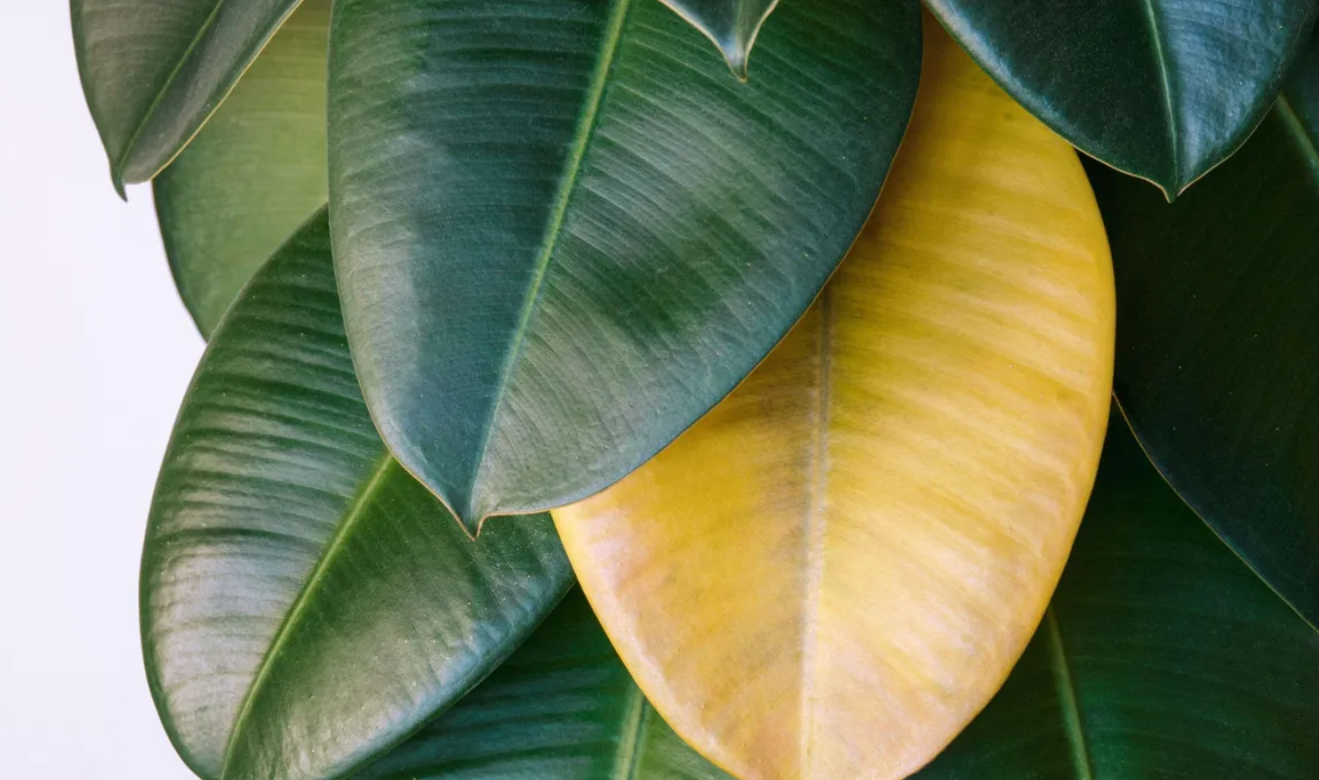
Pale leaves on a Rubber Plant often look dull, yellowish, or washed-out compared to the plant’s usual rich green. Sometimes, the leaves may develop a slight translucence or appear dull and lifeless. The symptoms can be subtle at first but tend to worsen if not addressed.
Common Causes Overview
Several factors can lead to pale or yellowing leaves, including:
- Insufficient light: Rubber Plants thrive in bright, indirect sunlight. Lack of adequate light can cause chlorophyll production to slow down, resulting in pale foliage.
- Overwatering: Excess water can stress the roots, leading to root rot and reduced nutrient uptake, which manifests as pale or yellow leaves.
- Nutrient deficiencies: A lack of essential nutrients like nitrogen or iron can cause leaves to lose their vibrant color.
- Improper temperature: Exposure to drafts, cold temperatures, or sudden fluctuations can stress the plant, leading to leaf discoloration. Understanding these common causes is the first step toward fixing the issue effectively.
Diagnosing the Exact Cause
Step-by-Step Diagnosis
To correctly fix your Rubber Plant’s pale leaves, you need to determine what’s causing the problem. Follow these steps:
Cause 1: Insufficient Light or Improper Lighting Conditions
- Check the location: Is your plant placed near a window with bright, indirect light? Rubber Plants need around 4-6 hours of filtered sunlight daily.
- Signs: Pale leaves that are also stretching or leaning towards the light source suggest insufficient light.
Cause 2: Overwatering Leading to Root Stress or Rot
- Check the soil: Is the soil consistently wet or soggy? Overwatering is a common mistake.
- Signs: Soft, yellowing leaves, and a musty smell from the soil indicate root issues.
Cause 3: Nutrient Deficiencies, Especially Nitrogen or Iron
- Check for uniformity: Are only some leaves pale while others are healthy? Iron deficiency often causes interveinal chlorosis—yellowing between the veins.
- Signs: Pale leaves with distinct yellowing, particularly in new growth.
How to Tell Which Cause Applies to Your Plant
- Observe the plant’s environment and watering habits.
- Check the soil moisture level by feeling the top inch of soil.
- Look for physical signs like leaning toward light or uneven leaf coloration.
- Use a simple test: If light is low, increasing light is likely your fix. If soil is soggy, watering habits need adjustment. Nutrient deficiencies may require fertilization.
Treatment Solutions
Immediate Actions
Based on your diagnosis, here are tailored actions:
- Adjust lighting: Move your Rubber Plant to a brighter spot with indirect sunlight.
- Modify watering: Allow the topsoil to dry out between watering sessions. Ensure the pot has proper drainage.
- Fertilize: Use a balanced, water-soluble fertilizer formulated for houseplants, focusing on nitrogen and iron content, especially during the active growing season.
Long-term Treatment
- Optimize care routine: Establish a consistent watering schedule, typically once a week, depending on your environment.
- Improve environmental conditions: Keep the plant away from cold drafts, heating vents, or direct air conditioning.
- Repot if necessary: If root rot is suspected, repot into fresh, well-draining soil after trimming affected roots.
What to Expect During Recovery
- Leaves may gradually regain their vibrant color within a few weeks.
- New growth should appear healthier and more robust.
- Continue monitoring and adjusting your care routine to maintain optimal conditions.
Prevention Tips
Care Routine Adjustments
- Water only when the top inch of soil feels dry.
- Fertilize during the growing season (spring and summer) every 4-6 weeks.
- Use a balanced fertilizer with micronutrients like iron.
Monitoring Environmental Factors
- Ensure your plant receives bright, indirect light.
- Maintain temperature between 65–80°F (18–27°C) and avoid cold drafts.
- Keep humidity levels moderate; misting or a humidity tray can help in dry environments.
Additional Tips
- Repot if root issues are suspected: When roots are crowded or rotten, repot into larger, well-draining containers.
- Avoid drafts and temperature fluctuations: Sudden changes can stress your plant and cause leaf discoloration.
Conclusion
Recap of diagnostic steps, treatment options, and prevention tips for healthy, vibrant Rubber Plant leaves. By carefully observing your plant’s environment, adjusting your care routine, and addressing specific issues like light, watering, or nutrients, you can effectively fix Rubber Plant pale leaves. Remember, patience is key—plants often take a few weeks to show signs of recovery. With proper care and attention, your Rubber Plant can regain its lush, green foliage, becoming a beautiful centerpiece in your home. Keep monitoring, stay consistent with your care routine, and enjoy the process of nurturing your indoor garden.
Next Steps
- Implement the recommended changes based on your diagnosis.
- Monitor your Rubber Plant’s response over the coming weeks.
- Keep a plant care journal to track improvements and future adjustments. Your efforts will pay off, leading to a healthier, more vibrant Rubber Plant that brightens your space and adds to your indoor garden joy.
FAQs
Q: How long until I see improvement in my Rubber Plant’s leaves?
A: Usually, you can expect to see signs of recovery within 2-4 weeks after making care adjustments. New growth should appear healthier, and existing leaves may regain their vibrant color. Patience and consistency are essential.
Q: Can pale leaves recover fully, or do I need to prune?
A: Pale leaves can often recover if the cause is addressed promptly. However, if leaves are severely yellow or damaged, pruning them can help the plant direct energy toward healthy growth. Removing dead or severely affected leaves encourages a more vigorous, healthy appearance.
Q: Should I adjust my watering or lighting immediately?
A: Yes, if your diagnosis indicates overwatering or insufficient light, make those adjustments as soon as possible. Proper watering and adequate lighting are crucial for the plant’s recovery and long-term health.
Remember: Every Rubber Plant is unique, and slight variations in care may be necessary. Keep observing your plant closely, and with a little patience, you'll enjoy vibrant, healthy foliage once again!