Discover why your Jade plant's leaves curl and learn practical steps to diagnose, treat, and prevent this common issue for healthy, vibrant indoor plants.
Introduction
Noticing your Jade plant's leaves curling can be worrying, especially when you cherish this resilient succulent as a part of your home. Curling leaves are often a sign that something isn’t quite right, but don't panic—you're not alone, and this is a common problem many indoor gardeners face. With a little patience and the right knowledge, you can identify the cause, implement effective solutions, and help your Jade thrive again.
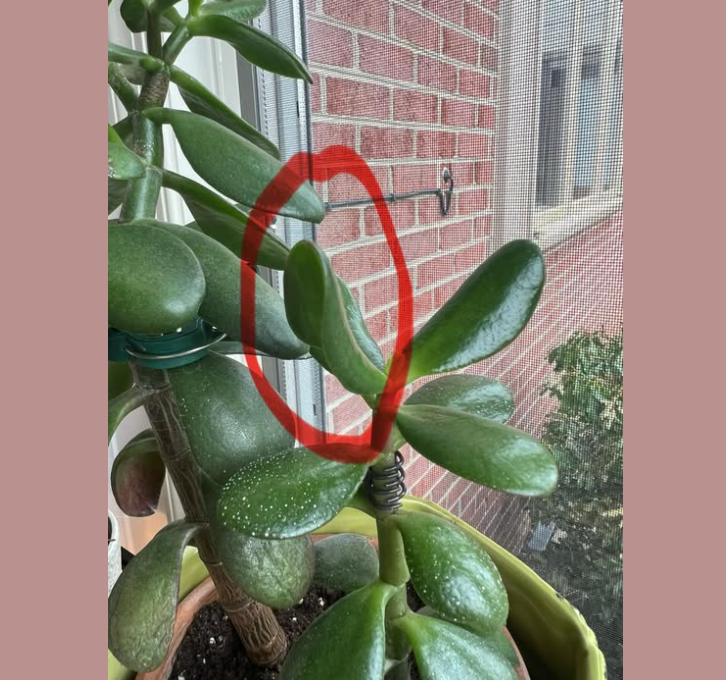
In this guide, we'll explore why is my Jade plant having curling leaves, how to diagnose the root cause, practical treatment options, and tips to prevent this issue from recurring. Rest assured, with proper care, your Jade plant can recover beautifully and continue to add beauty to your space.
Section 1: Understanding the Problem
Visual Identification of Curling Leaves
The first step in addressing leaf curling is recognizing what it looks like. Typically, curled leaves in Jade plants may appear:
- Inward curling or rolling along the edges
- Wrinkled or shriveled leaves
- Discolored spots or patches accompanying curling
- Sometimes, curled leaves may feel dry or limp, indicating dehydration, or appear swollen if overwatered
Common Causes Overview
Several factors can cause curling leaves in Jade plants, including:
- Overwatering, leading to root rot and stress
- Underwatering, causing dehydration and leaf shrinkage
- Pest infestations, such as spider mites or mealybugs
- Environmental stress, like drafts, excessive heat, or low humidity Understanding these causes helps you narrow down the issue and choose appropriate remedies.
Section 2: Diagnosing the Exact Cause
Step-by-Step Process to Pinpoint the Root Cause
Accurate diagnosis is crucial for effective treatment. Here's how you can do it:
Cause 1: Overwatering Leading to Root Issues and Stress
- Symptoms: Soft, yellowing leaves, soggy soil, and root rot smell
- Inspection: Gently remove the plant from its pot to examine roots; rotten roots are brown or black and mushy
Cause 2: Underwatering Causing Dehydration and Leaf Curl
- Symptoms: Wrinkled, dry, or crispy leaves, soil very dry
- Inspection: Check soil moisture; if it feels completely dry several inches down, your plant needs water
Cause 3: Pest Infestation, Such as Spider Mites or Mealybugs
- Symptoms: Fine webbing, tiny moving bugs, sticky residue, or white cottony patches
- Inspection: Carefully examine the undersides of leaves and stems for pests
How to Tell Which Cause Applies to Your Plant
- Look at the soil: Is it too wet or too dry?
- Check the roots: Are they healthy or mushy?
- Inspect for pests: Are there visible bugs or webbing?
- Assess environmental factors: Has your plant been exposed to drafts, direct hot sunlight, or low humidity? By combining these observations, you'll identify the primary cause of curling leaves.
Section 3: Treatment Solutions
Implementing Targeted Fixes Based on Diagnosis
Once you've pinpointed the cause, you can take specific actions:
Immediate Actions
- For Overwatering:
- Remove the plant from soggy soil
- Trim away any rotten roots with sterilized scissors
- Repot into well-draining cactus or succulent mix
- Adjust watering schedule to allow soil to dry out completely between waterings
- For Underwatering:
- Water thoroughly, allowing excess to drain
- Ensure the pot has proper drainage
- Establish a regular watering routine
- For Pest Infestation:
- Gently wash leaves with a soft cloth or spray with insecticidal soap
- Use neem oil or horticultural oil for persistent pests
- Isolate the plant to prevent spreading
Long-term Treatment Plan
- Maintain consistent watering habits, respecting the plant’s drought-tolerant nature
- Use high-quality, well-draining soil
- Apply organic or chemical pest preventatives as needed
- Fertilize sparingly during the growing season with a balanced succulent fertilizer
What to Expect During Recovery
- Leaf curling should gradually improve within a few weeks
- New, healthy leaves may emerge
- Be patient and avoid overwatering or over-fertilizing during recovery
Section 4: Prevention Tips
Care Routine Adjustments
- Water only when the top inch of soil feels dry
- Use a pot with drainage holes
- Fertilize lightly during the growing season (spring and summer)
Environmental Factors
- Provide bright, indirect sunlight for at least 4-6 hours daily
- Maintain moderate humidity; Jade plants prefer dry conditions
- Keep away from cold drafts and sudden temperature fluctuations
- Rotate the plant regularly for even light exposure Consistently monitoring and adjusting your care routine can prevent future curling leaves and ensure your Jade stays healthy and vibrant.
Conclusion
Recap of Key Causes, Diagnostic Steps, and Treatment Options
In summary, curling leaves in Jade plants can stem from overwatering, underwatering, pests, or environmental stress. The key to resolving this issue lies in careful observation, accurate diagnosis, and targeted treatment. Remember to check the roots, inspect for pests, and evaluate your plant's environment to identify the cause.
Encouragement
With patience and proper care, your Jade plant can recover from leaf curling and flourish again. Don’t be discouraged—every plant owner faces challenges, but these are opportunities to learn and grow as a gardener.
Next Steps
- Regularly monitor your plant's environment and watering habits
- Adjust your care routine based on seasons and plant needs
- Seek additional resources or consult local plant experts if needed Your Jade plant’s health is within your control—happy gardening!
FAQ
Q: How long until I see improvement after treatment?
A: Usually, you can expect to see signs of recovery within 2-4 weeks. New, healthy growth may begin to appear, and curled leaves might straighten out as the plant stabilizes.
Q: Can curling leaves be reversed completely?
A: Yes, if the cause is identified and addressed promptly, the leaves may recover fully, or new growth will be healthy. However, severely damaged leaves may not straighten and might need pruning.
Q: Should I prune the curled leaves or let them recover naturally?
A: It's best to prune severely curled, damaged leaves to encourage healthy growth and improve the plant's appearance. Use clean, sharp scissors and prune at the base of the leaf stem.
By understanding the causes and following the recommended solutions, you’ll help your Jade plant regain its beautiful, resilient form. Happy caring!