Discover why your Peace Lily's leaves curl and learn effective solutions to restore its health. Simple troubleshooting & care tips included.
Noticing your Peace Lily's leaves curling can be worrying, especially if you're passionate about caring for your indoor plants. These luscious leafy plants are known for their resilience and beauty, but like all greenery, they can show signs of stress in their leaves. If you’re asking yourself, "Why is my Peace Lily having curling leaves?", don't fret—this is a common issue with straightforward solutions. In this article, we'll help you understand the causes behind curling leaves, guide you through diagnosing the exact problem, and show you how to effectively treat and prevent this issue. Most importantly, with proper care, your Peace Lily can bounce back to its lush, healthy self!
Section 1: Understanding the Problem
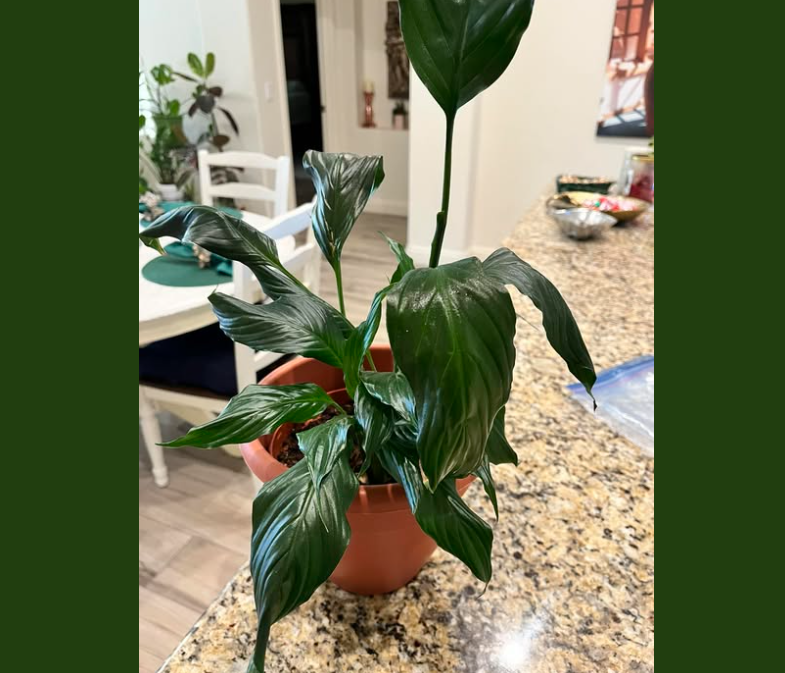
Visual Identification of Curling Leaves
First, let’s understand what curling leaves look like. Typically, curled leaves on a Peace Lily may appear as:
- Edges or tips folding inward or upward
- Leaves rolling into tubes
- Wrinkled or shriveled leaf surfaces
- Discoloration accompanying curling, such as yellowing or browning The curling can be mild or severe, involving just the leaf margins or full leaf roll-ups. Recognizing these signs early helps in troubleshooting effectively.
Common Causes of Curling Leaves
Several factors might lead to curling leaves in Peace Lilies. These include:
- Water Stress: Either overwatering or underwatering
- Environmental Stress: Drafts, low humidity, or sudden temperature changes
- Pest Infestations: Mites, fungus gnats, or other pests damaging the leaves
- Lighting Issues: Too much direct sunlight or insufficient light
- Nutrient Deficiencies: Lack of essential nutrients affecting leaf health Understanding these common causes helps you narrow down the specific problem your plant faces.
Section 2: Diagnosing the Exact Cause
Step-by-Step Diagnosis Process
Follow this process to identify what’s causing your Peace Lily’s curling leaves:
Cause 1: Overwatering or Underwatering
- Signs of Overwatering: Waterlogged soil, yellowing leaves, root rot smell
- Signs of Underwatering: Dry, crispy soil; leaves feel limp or brittle How to check: Feel the soil moisture—if it’s excessively wet or bone dry, watering habits may need adjusting.
Cause 2: Environmental Stress like Drafts or Low Humidity
- Is your plant near a window drafts, heating vents, or air conditioning units? These create temperature fluctuations that stress the plant.
- Peace Lilies thrive in humidity levels around 50-60%. If your house is very dry, especially in winter, leaves may curl as a response. How to tell: Place your hand near the plant and feel for drafts. Use a humidity meter if needed.
Cause 3: Pest Infestations
- Pests like spider mites or fungus gnats can cause leaf curling.
- Look closely at your plant’s undersides and stalks for tiny webs, specks, or larvae. How to tell: Use a magnifying glass to inspect pests or sticky traps for gnats. If pests are present, this is likely the cause.
How to determine which cause applies to your plant:
- Check soil moisture and watering history.
- Observe plant placement and environmental conditions.
- Carefully inspect for pests. By systematically ruling out each cause, you can target your treatment effectively.
Section 3: Treatment Solutions
Immediate Actions
- Adjust watering: Allow the soil to dry out slightly if overwatered; water thoroughly but infrequently.
- Relocate your plant: Move away from drafts, vents, or direct sunlight.
- Pest control: Use insecticidal soap or neem oil if pests are identified.
- Increase humidity: Mist leaves, use a humidifier, or place the plant on a tray with pebbles and water.
Long-term Care
- Establish a regular watering schedule: Keep the top inch of soil moist but not soggy.
- Maintain optimal light: Bright, indirect sunlight is ideal.
- Keep humidity levels high with regular misting or humidifiers.
- Fertilize sparingly during the growing season with a balanced houseplant fertilizer.
Monitoring Recovery
- Watch for new leaf growth, which indicates recovery.
- Check leaves regularly for signs of stress or pests.
- Adjust your care routine as your plant improves.
Section 4: Prevention Tips
Prevent curling leaves before they start by adopting good care practices:
- Water consistently: Water Peace Lilies when the top inch of soil feels dry.
- Avoid drafts and temperature extremes: Maintain stable indoor conditions.
- Position thoughtfully: Keep away from direct sunlight, which can scorch leaves.
- Maintain humidity: Use humidifiers or pebble trays during dry months.
- Inspect regularly: Check for pests and signs of distress. Consistent care and observe your Peace Lily’s needs can prevent many common issues leading to curling leaves.
Conclusion
Summary of Key Points
- Curling leaves on a Peace Lily usually indicate water stress, environmental issues, pests, or lighting problems.
- Diagnosing involves checking soil moisture, environmental conditions, and plant inspection.
- Fixes include adjusting watering habits, relocating the plant, controlling pests, and maintaining humidity.
- Preventative measures ensure your Peace Lily remains lush and healthy.
Encouragement
Most curling leaves are reversible with attentive care. Your peace lily’s resilience means it can bounce back from most stresses. Keep observing, modifying your care routine, and your plant will reward you with vibrant, healthy leaves once again!
Next Steps
Start by reviewing your plant’s current environment and watering schedule. Implement the suggested care tips gradually, and monitor your Peace Lily closely. Patience and consistency are key to reviving your beloved plant!
FAQ
Q: How quickly will my Peace Lily recover after fixing the cause?
A: Recovery time varies depending on the severity of stress, but usually, you can see signs of improvement within a few weeks. New leaf growth is a positive indicator. Ensure you maintain consistent care habits during this period.
Q: Can curling leaves be a sign of a more serious disease?
A: While most cases are due to environmental factors or pests, persistent curling accompanied by other symptoms like black spots, mold, or severe discoloration could indicate a disease. Consult a plant specialist if symptoms worsen or do not improve.
Q: Should I prune the curled leaves or leave them for natural cleaning?
A: If the leaves are severely curled, crispy, or show signs of pest infestation, it’s best to prune them. Removing damaged leaves can help redirect the plant’s energy to new, healthy growth. Use clean scissors and prune just above the base.
By understanding the causes and addressing them promptly, you’re well on your way to keeping your Peace Lily healthy, vibrant, and beautiful. Happy planting!