Learn how to successfully propagate your Peace Lily in water with simple steps, tips, and troubleshooting advice for healthy new plants.
Introduction
Have you ever wanted to expand your Peace Lily collection or share a beautiful plant with a friend? Propagating Peace Lilies in water is a delightful and straightforward method that allows you to grow new plants with minimal fuss. Whether you're a beginner or have some experience with indoor plants, this technique can become your go-to way to multiply your greenery.
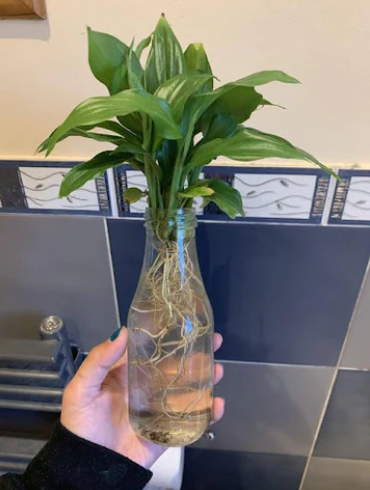
Don't worry if you're new to propagation—it's easier than you think! With patience, a few simple tools, and some care, you'll be watching your new Peace Lilies develop lush roots and thrive. In this guide, we'll walk you through every step, from selecting the right stems to caring for your new plants, ensuring your propagation journey is smooth and successful.
Section 1: Understanding Peace Lily Propagation
Why Propagate Peace Lilies in Water?
Propagating Peace Lilies in water is a popular choice for many plant enthusiasts because it allows you to observe root development directly. This method is ideal for beginners since it gives immediate visual feedback, making it easier to monitor progress and troubleshoot issues early.
Visual Identification of Suitable Stems for Propagation
To successfully propagate your Peace Lily, start by identifying healthy, mature stems. Look for:
- Stems that are firm and free from disease or damage
- Multiple leaves attached to the stem
- New growth or signs of vitality Avoid stems that are yellowing, wilted, or showing signs of pests.
Benefits of Water Propagation vs. Soil
While soil propagation is common, water propagation offers several advantages:
- Easier to monitor root growth
- Less risk of soil-borne pests and diseases
- Quicker visualization of root development
- Less messy and more controlled environment However, transitioning to soil later is straightforward once roots are established.
Section 2: Diagnosing the Best Propagation Time and Technique
Choosing Healthy, Mature Stems with Multiple Leaves
Timing is key. The best time to propagate is when your Peace Lily is healthy and actively growing, typically during spring or early summer. Select stems that:
- Have at least 2-3 leaves
- Are free of pests or diseases
- Show signs of new growth
Cutting Techniques and Tools Needed
Proper cutting tools ensure clean cuts that promote rooting. Here's what you'll need:
- Sharp, sterilized pruning shears or scissors
- Rubbing alcohol or disinfectant for sterilizing tools
- A clean glass or jar for water
How to Prepare the Stems for Water Rooting
Follow these steps: 1. Identify a suitable stem close to the base, ideally with a few nodes (small bumps where roots can develop). 2. Using sterilized scissors, make a clean cut just below a node. 3. Remove any lower leaves that might sit in water to prevent rot. 4. Optional: Dip the cut end in rooting hormone to encourage faster root development.
Signs of Readiness for Water Placement
Your stem is ready to be placed in water when:
- It has a clean cut
- You have removed any submerged leaves
- The cut end is healthy and free of damage
Section 3: Treatment Solutions for Successful Propagation
Immediate Actions: Proper Cutting and Placement
Once your stem is cut:
- Place it immediately into a clean glass or jar filled with room-temperature, filtered or distilled water.
- Ensure at least one node is submerged, as this is where roots will develop.
Best Water Type and Container Tips
- Use filtered, distilled, or rainwater to avoid chemicals found in tap water.
- Choose a transparent container to monitor root growth.
- Keep the container in a spot with bright, indirect light.
Maintaining Optimal Water Levels and Cleanliness
- Change the water every 3-4 days to prevent stagnation and bacterial growth.
- Keep water at the same level to ensure nodes stay submerged.
- Clean the container periodically to avoid algae buildup.
Addressing Issues Like Root Rot or Slow Rooting
- Root rot can occur if roots sit in stagnant water or if the water is contaminated. If you notice black or mushy roots, prune them and replace the water.
- If roots are slow to develop, ensure your plant is in bright, indirect light and the water is fresh.
Natural Remedies Like Hydrogen Peroxide to Prevent Infection
- Adding a small amount of hydrogen peroxide (about 1 teaspoon per cup of water) can help prevent bacterial growth and promote healthy root development.
Section 4: Prevention Tips for Healthy Growth
Monitoring Water Quality and Changing Water Regularly
Consistent water changes prevent bacterial buildup and keep your roots healthy. Always use clean water and change it every 3-4 days.
Ensuring Appropriate Indirect Light and Humidity
- Place your propagated Peace Lily in a bright spot with indirect sunlight.
- Maintain moderate humidity levels; misting the leaves occasionally can help, especially in dry environments.
Avoiding Overwatering or Underwatering
- Keep the water level consistent, but do not overfill—roots need oxygen as well.
- Once roots are well-established, you can gradually transition your plant to soil.
Transitioning from Water to Soil When Ready
When your Peace Lily develops a healthy root system (usually after 4-8 weeks): 1. Prepare a pot with well-draining soil. 2. Gently remove the plant from water, being careful not to damage the roots. 3. Plant it into the soil, watering lightly at first. 4. Keep in a bright, indirect light environment and continue regular care.
Conclusion
Propagating Peace Lilies in water is a rewarding and simple process that can bring new life to your indoor garden. With patience and proper care, you'll be able to grow lush, healthy new plants to enjoy or share. Remember to select healthy stems, provide the right environment, and monitor water quality for the best results. Starting your propagation today is easy—just follow these steps, and soon you'll be nurturing beautiful, thriving Peace Lilies. Happy planting!
Q: How long does it take for Peace Lily cuttings to develop roots in water?
A: Typically, Peace Lily cuttings develop roots within 4 to 8 weeks. The exact time can vary depending on factors like water quality, light, and temperature. Patience is key—monitor your cuttings regularly and ensure optimal conditions.
Q: Can I propagate Peace Lily in soil instead of water?
A: Yes, Peace Lilies can also be propagated directly in soil through division or stem cuttings. However, water propagation provides a clear view of root development and is especially beginner-friendly. Transitioning from water to soil is straightforward once roots are established.
Q: What should I do if my propagated Peace Lily develops root rot?
A: If you notice black, mushy roots, it indicates root rot. Remove the affected roots with sterilized scissors, replace the water, and ensure your container is clean. Adjust your watering habits to prevent overwatering and consider adding a small amount of hydrogen peroxide to the water to inhibit bacterial growth.
Embark on your Peace Lily propagation journey today, and enjoy the process of nurturing new life from your favorite indoor plant!