Discover the reasons behind white fuzz on your Monstera's new growth and learn effective solutions to restore healthy, vibrant foliage with caring tips.
Noticing white fuzz on your Monstera's new leaves can be worrying—you're not alone!
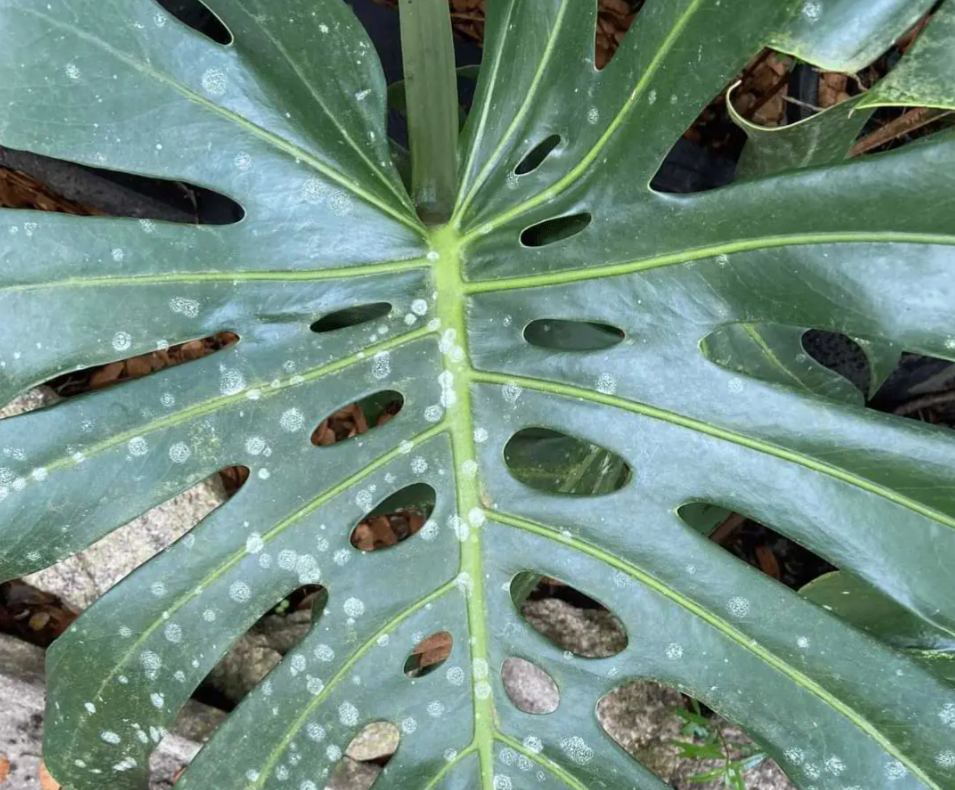
As a passionate indoor plant enthusiast, seeing that mysterious white fuzz on your beloved Monstera Deliciosa can be unsettling. Is it a sign of disease? Pests? Or just a natural feature? Rest assured, many plant parents have faced similar concerns. The good news is that with a little investigation and proper care, you can address the issue and help your Monstera thrive once again. This article will guide you through understanding what causes white fuzz on Monstera new growth, how to identify the exact problem, effective treatment options, and preventive measures to keep your plant healthy in the long run.
Section 1: Understanding the Problem
Visual identification of white fuzz on new leaves
White fuzz on Monstera Deliciosa's new growth typically appears as soft, cotton-like or fuzzy patches on the surface of young leaves or stems. It might look like tiny white hairs, powdery spots, or a fuzzy coating. Sometimes, this fuzz is more concentrated along leaf edges, veins, or the petiole (leaf stalk).
Common causes overview: mold, pests, or natural trichomes
The appearance of white fuzz can stem from several causes:
- Fungal infections (e.g., powdery mildew)
- Pest infestations (like mealybugs or woolly aphids)
- Natural trichomes (tiny hairs produced by the plant for protection) Understanding which of these is affecting your plant is crucial for choosing the right treatment.
Section 2: Diagnosing the Exact Cause
Follow these steps to determine whether the white fuzz is a fungal infection, pest infestation, or harmless trichomes.
Cause 1: Fungal infections such as powdery mildew
- Appearance: Powdery, white, or grayish coating that often spreads across the leaf surface.
- Location: Usually on the upper leaf surfaces, sometimes on stems.
- Impact: Can cause leaf distortion, yellowing, and premature leaf drop if untreated.
Cause 2: Pests like mealybugs or woolly aphids
- Appearance: Clusters of tiny, white, cottony or fuzzy insects often found along leaf veins, stem joints, or undersides.
- Behavior: May move slightly when disturbed, leaving behind sticky residue or honeydew.
- Impact: Pests suck plant sap, weakening the plant and causing leaf deformities.
Cause 3: Natural trichomes or protective hairs
- Appearance: Tiny, soft hairs that are part of the plant’s natural growth; often more prominent on new leaves.
- Location: Usually on the undersides of leaves or along leaf edges.
- Impact: Harmless and beneficial, helping the plant resist pests and environmental stress.
How to tell which one it is: visual cues and diagnostic tips
- Use a magnifying glass: To closely examine the fuzz.
- Look for movement: Pests may move or leave behind visible trails.
- Check for powdery texture: Fungal infections will feel powdery or dry.
- Assess the plant’s overall health: Yellowing or leaf drop may indicate disease or pest damage.
Section 3: Treatment Solutions
Implement targeted remedies based on the identified cause to eliminate the fuzz and promote healthy growth.
Immediate actions: cleaning, isolating the plant
- Isolate your Monstera to prevent spreading to other plants.
- Gently remove loose fuzz using a soft brush or damp cloth.
- Prune affected leaves if necessary, especially if the damage is severe.
Natural remedies: neem oil, insecticidal soap, hydrogen peroxide solution
- Neem oil: Mix according to label instructions and spray evenly on affected areas. It acts as both a fungicide and insect repellent.
- Insecticidal soap: Use a gentle, plant-safe soap to combat pests like mealybugs or woolly aphids.
- Hydrogen peroxide solution: Dilute 3% hydrogen peroxide with water (1:3 ratio) and spray on affected areas to eliminate fungal spores and pests.
Chemical treatments: appropriate fungicides or pesticides if necessary
- For persistent fungal infections, apply a horticultural fungicide following product instructions.
- If pests are resistant to natural remedies, consider using a targeted pesticide suitable for indoor plants, ensuring safety and minimal toxicity.
Long-term care: adjusting watering, humidity, and airflow
- Water appropriately: Avoid overwatering, which fosters fungal growth.
- Control humidity: Keep humidity levels moderate; excessive moisture encourages mold.
- Improve airflow: Ensure good ventilation around your plant to reduce stagnant, damp air.
Monitoring recovery: signs of improvement and when to seek further help
- Watch for reduction in fuzzy patches.
- Observe healthier, shiny new leaves.
- Seek professional advice if the problem persists beyond a few weeks.
Section 4: Prevention Tips
Prevent future occurrences by optimizing your plant care routine and environmental conditions.
Regular inspection and cleaning
- Check your Monstera weekly for early signs of pests or mold.
- Clean leaves gently with a damp cloth to remove dust and prevent buildup.
Proper watering and humidity control
- Water only when the top inch of soil feels dry.
- Maintain humidity levels around 50-60%; avoid excessive moisture.
Ensuring good air circulation and avoiding overcrowding
- Place your Monstera in a well-ventilated space.
- Avoid overcrowding with other plants to enhance airflow.
Using sterilized tools and pest prevention measures
- Always sterilize pruning shears and gardening tools before use.
- Use organic pest deterrents and inspect new plants before introducing them to your collection.
Conclusion
Summarizing key points
Identifying the cause of white fuzz on your Monstera's new growth is essential for effective treatment. Whether it's harmless trichomes, a fungal infection, or pests, understanding the underlying issue allows you to apply targeted remedies and care.
Encouragement
Don't worry—most issues with indoor plants are manageable with patience and proper attention. Your Monstera can recover and continue to beautify your space.
Next steps
Start by carefully diagnosing the white fuzz, then implement appropriate treatment measures. Remember to adopt preventive practices to keep your Monstera healthy and vibrant long-term.
Q: Why does white fuzz appear on my Monstera's new leaves?
A: White fuzz can be caused by natural plant hairs (trichomes), fungal infections like powdery mildew, or pests such as mealybugs. Proper diagnosis is key to choosing the right treatment.
Q: How long does it take to see improvement after treatment?
A: Typically, you may notice signs of recovery within 1-2 weeks if treatments are effective and environmental conditions are optimized. Continued monitoring is important.
Q: Can my Monstera fully recover from pests or fungal infections?
A: Yes, with consistent treatment and good care practices, most Monstera plants can recover completely from pests and fungal issues.
Q: Should I prune or remove affected leaves?
A: Yes, removing severely affected leaves helps prevent the spread of disease and pests. Use sterilized tools and dispose of the debris properly.
Remember, caring for your Monstera is a journey. With attentive observation and gentle treatment, your plant will regain its lush, vibrant growth. Happy gardening!