Quick Summary: Root rot is a common but serious issue for Fiddle Leaf Figs, often caused by overwatering and poor drainage. Luckily, with prompt diagnosis and proper care, your plant can recover beautifully. This guide walks you through how to identify, treat, and prevent root rot so your Fiddle Leaf Fig can thrive again.
Introduction
If you've noticed that your Fiddle Leaf Fig isn't looking its usual vibrant self—perhaps its leaves are yellowing, drooping, or you see your plant's roots dark and mushy—you might be dealing with root rot. As a plant parent, discovering that your beloved houseplant has root rot can be stressful and worrying. It’s natural to feel concerned about whether your plant can be saved or if it’s beyond rescue. The good news is that root rot is very treatable if caught early. Acting quickly by diagnosing the problem accurately and applying targeted treatments can often turn things around. In this comprehensive guide, I'll walk you through understanding how root rot manifests in Fiddle Leaf Figs, how to diagnose the specific cause, the step-by-step treatment process, and how to prevent future issues. Whether you’re new to plant care or have a seasoned green thumb, you’ll find practical, friendly advice to help your Fiddle Leaf Fig recover and stay healthy.
Section 1: Understanding the Problem
Visual Identification of Root Rot
Root rot in Fiddle Leaf Figs usually begins below the soil surface but can manifest through visible symptoms on the plant. Key signs include:
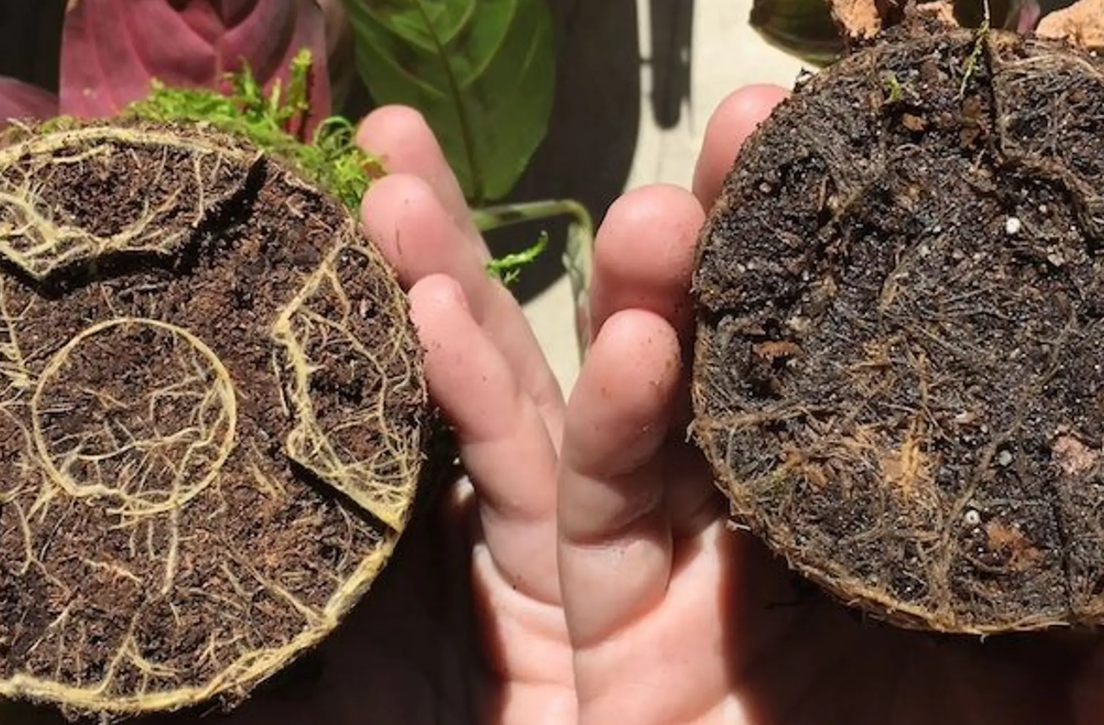
- Dark, soft, mushy roots: When you gently remove the plant from its pot, the roots affected by rot will feel wet, slimy, and dark brown or black. Healthy roots are firm and white.
- Yellowing or wilting leaves: Leaves may turn yellow, appear droopy, or develop brown spots, often as a response to compromised root health.
- Stunted growth: If your plant suddenly stops growing or looks unhealthy despite proper care, root issues could be the culprit.
Common Causes Overview
Root rot is primarily caused by an oxygen-deprived environment and excess moisture around the roots. Common culprits include:
- Overwatering or frequent watering
- Poor drainage in the pot or soil that retains too much water
- Damaged roots from handling or repotting, which allow fungal spores to enter
- Fungal spores lurking in contaminated soil or tools
Section 2: Diagnosing the Exact Cause
To effectively treat your Fiddle Leaf Fig, you need to understand what’s causing the root rot. Follow these steps to pinpoint the true issue.
Cause 1: Overwatering Leading to Oxygen-Deprived Roots
Symptoms: Roots feel slimy, smell sour or musty, and leaves are yellowing or wilting. How to Confirm:
- Check your watering schedule. Have you watered recently, perhaps more than once a week?
- Feel the soil; is it excessively wet or waterlogged?
- Smell the soil. A foul odor indicates fungal growth due to excess moisture.
Cause 2: Poor Drainage or Compact Soil
Symptoms: Soil remains soggy, roots are soggy and brown, and water doesn’t drain well when watering. How to Confirm:
- Inspect the soil type—dense clay or compacted mixes retain water.
- Ensure your pot has drainage holes and you’re using well-draining soil, like a mix with perlite or orchid bark.
Cause 3: Fungal Infection Spreading in Soil
Symptoms: Roots are mushy and brown, and the soil has a sour smell. Fungal spores may be present after a plant has been sick for a while. How to Confirm:
- Examine the roots after gently removing the plant.
- Look for fuzzy mold or white fungal growth on the soil surface or roots. Quick Decision Checklist: | Symptom | Likely Cause | Action Needed | |------------------------------------------------|-------------------------------------|-------------------------------------| | Mushy, dark roots, foul smell, yellow leaves | Overwatering / poor drainage | Check watering habits, repot | | Soggy soil, roots brown and soft | Compact soil or poor drainage | Improve soil and pot drainage | | White or fuzzy growth on roots or soil | Fungal infection | Treat with fungicide or natural remedies |
Section 3: Treatment Solutions
Once you’ve diagnosed the cause, it’s time to act swiftly to save your Fiddle Leaf Fig. Here's a step-by-step plan.
Immediate Actions (First 24-48 Hours)
1. Remove the Plant from the Pot
-
Gently loosen the soil and carefully extract your Fiddle Leaf Fig. Be gentle to avoid damaging healthy roots further. 2. Inspect and Trim Affected Roots
-
Use clean, sharp scissors or pruning shears.
-
Cut away all mushy, black, or brown roots—these are dead or decaying. Healthy roots will be firm and white. 3. Discard Old Soil and Clean the Pot
-
Remove all soil from the roots.
-
Wash the pot thoroughly with warm water and soap or a dilute bleach solution (1 part bleach to 10 parts water) to eliminate fungal spores. 4. Shake off Excess Soil
-
Gently remove excess soil from the roots, leaving only the healthy parts.
Long-Term Treatment
1. Prepare Fresh, Well-Draining Soil
-
Use a mix designed for Fiddle Leaf Figs: peat-based soil with added perlite or sand to improve drainage. 2. Repot in a Clean Pot
-
Ensure the pot has ample drainage holes. Consider using a slightly larger pot to give the roots room to grow. 3. Natural Remedies for Fungal Control
-
Hydrogen Peroxide Solution: Mix 3% hydrogen peroxide with water (1:3 ratio) and soak roots briefly to kill fungi.
- Neem Oil Spray: Dilute neem oil according to package instructions and spray on roots and soil to prevent fungal spread.
-
Fungicides: If needed, use a commercial fungicide labeled safe for houseplants, following the instructions carefully. 4. Let the Plant Rest
-
After repotting, avoid fertilizing for at least a month to give roots time to recover.
-
Place your Fiddle Leaf Fig in a spot with bright, indirect light. Monitoring During Recovery
-
Keep the soil moist but not wet.
- Monitor for new root growth over the next few weeks.
-
Watch for signs of stress, like leaf drop, and adjust care accordingly. Timeline for Recovery:
-
You may start seeing new roots in 4-6 weeks.
-
Overall recovery could take 2-3 months, depending on the severity and your care. Warning Signs Treatment Isn’t Working:
-
Continued yellowing or wilting after several weeks.
- No new root growth.
- Persistent foul smell or mold. If this occurs, reassess the care routine, check for re-infection, and consider consulting a plant specialist.
Section 4: Prevention Tips
Prevention is your best defense against future root rot. Follow these simple tips:
- Water Only When Topsoil Is Dry: Stick your finger about 1-2 inches into the soil; water if it feels dry.
- Use Well-Draining Soil: A pre-mixed potting soil with perlite or small bark particles ensures excess water flows out quickly.
- Choose Proper Pot Size: Select a pot that’s slightly larger than your plant’s root ball, with drainage holes.
- Ensure Adequate Light: Place your Fiddle Leaf Fig in bright, filtered light—less water is needed in brighter conditions.
- Maintain Good Air Circulation: Good airflow helps keep soil dry and reduces fungal spores. These habits not only prevent root rot but also promote robust, healthy growth.
Frequently Asked Questions
Q: How long until I see improvement after treating root rot?
A: Typically, you’ll notice new root growth within 4-6 weeks. Leaves may also start to regain their vibrancy as the plant recovers.
Q: Will my Fiddle Leaf Fig fully recover from root rot?
A: If caught early and treated properly, most Fiddle Leaf Figs can recover fully. However, severe or longstanding rot might limit full recovery, and some leaf damage may be permanent.
Q: Should I prune or remove all affected roots and leaves?
A: Yes. Remove all mushy, brown, or black roots and any yellow or wilted leaves to prevent fungal spread and encourage healthy regrowth.
Q: Can I save my Fiddle Leaf Fig if it’s stem and leaf damage is extensive?
A: Sometimes, even with extensive damage, new shoots can sprout if the roots recover. Patience and proper care are key.
Conclusion
Key Takeaways:
- Early detection of root rot is crucial to saving your Fiddle Leaf Fig.
- Gently inspect roots and remove all affected parts promptly.
- Replant in fresh, well-draining soil and provide optimal environmental conditions.
- Practice careful watering routines and good soil drainage to prevent recurrence.
- Remember, with patience and care, even severely affected plants can bounce back! You’re capable of reviving your Fiddle Leaf Fig—trust the process, stay attentive to its needs, and watch your green friend flourish again. Start by inspecting your plant’s roots today and take the first step toward healthier, happier foliage!
By following these expert tips, you’re well on your way to banishing root rot and nurturing a vibrant, thriving Fiddle Leaf Fig. Happy planting!