Discover effective ways to eliminate sticky leaves on your Philodendron, diagnose underlying causes, and ensure your plant stays healthy and happy.
Introduction
Noticing sticky leaves on your beloved Philodendron can be worrying — but don't panic, you're not alone. Many indoor plant enthusiasts encounter this issue at some point. Sticky residue on leaves often raises questions about what's wrong and how to fix it. Fortunately, with a bit of detective work and some simple care tweaks, you can restore your plant's health. This article will help you identify the causes of sticky leaves, diagnose the problem accurately, and provide easy, effective solutions so your Philodendron continues to thrive in your home.
Section 1: Understanding the Problem
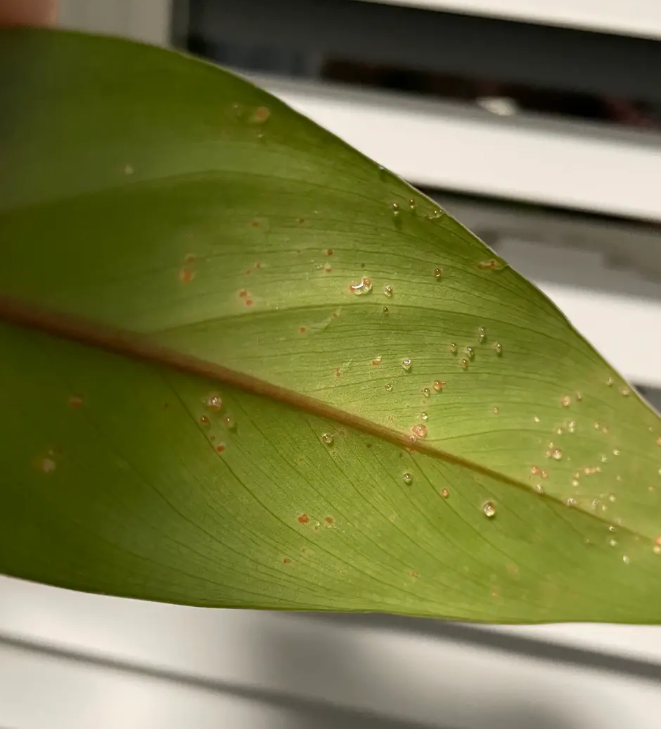
Visual Identification
Sticky leaves on Philodendrons typically look shiny or glossy, with oily or sticky spots that can feel tacky to the touch. Sometimes, this residue forms a shiny film on the leaf surface, and may be accompanied by dust or debris sticking to the surface, making leaves look dull or dirty.
Common Causes Overview
Several factors can cause sticky leaves, and identifying the exact cause is crucial for choosing the correct treatment:
- Pest activity: Aphids, scale insects, and mealybugs excrete sticky substances called honeydew as they feed on plant sap.
- Natural plant secretions: Certain plants produce plant sap or hormonal exudates to protect themselves or as part of their natural growth cycle.
- Environmental issues: High humidity and temperature fluctuations can stimulate sap leakage or cause stress-related secretions. Understanding these causes helps you decide on targeted solutions and ensures your Philodendron recovers quickly.
Section 2: Diagnosing the Exact Cause
Follow these steps to determine what’s causing the sticky residue on your Philodendron:
Cause 1: Pest Infestation, such as Scale or Aphids
- Inspect leaves closely, especially along leaf edges, stems, and the undersides.
- Look for tiny insects: Aphids are small, soft-bodied, green or black; scale insects often look like small shells attached to stems or leaves; mealybugs appear as white, cottony clusters.
- Check for any accompanying yellowing, wilting, or stippling on the leaves.
Cause 2: Natural Plant Secretions
- Observe whether the sticky spots are scattered evenly or primarily on new growth.
- Notice if the residue is thin, clear, or slightly colored, which can be typical of natural sap flow.
- This is more common in vigorous, healthy plants undergoing natural hormonal changes.
Cause 3: Environmental Factors Leading to Excess Sap Production
- Consider environmental conditions: Are your indoor humidity or temperature unusually high?
- Excessive heat or dry air can stress plants, prompting them to secrete more sap as a defense mechanism.
How to tell which cause applies to your plant?
- If you see tiny insects and sticky honeydew, pests are likely the culprit.
- If the sticky residue is light, clear, and spread evenly with no insects visible, it may be natural secretion.
- If environmental conditions are stressful, the plant might be overproducing sap.
Section 3: Treatment Solutions
Immediate Actions to Take
- Isolate your Philodendron to prevent pest spread to other houseplants.
- Gently wipe leaves with a soft, damp cloth or sponge to remove the sticky residue.
- For pests, treat with insecticidal soap or neem oil spray, carefully following the label instructions to avoid damaging the plant.
Long-term Treatment Plan
- Monitor regularly for new sticky spots or signs of pests.
- Maintain proper watering and humidity — avoid overwatering, and keep humidity at moderate levels (around 60-70%) to discourage pest proliferation.
- Use preventive sprays like neem oil periodically to deter pests before they become a problem.
- If pests are persistent, consider repotting your Philodendron in fresh soil to eliminate hidden eggs or infestations.
What to Expect During Recovery
- Leaves should become less sticky over time.
- Pests, if present, will diminish or disappear with consistent treatment.
- Your Philodendron’s overall health will improve, leading to stronger, shinier leaves.
Section 4: Prevention Tips
Keep your Philodendron healthy and pest-free with these proactive habits:
- Routine inspections: Check leaves and stems weekly for early signs of pests or sticky residue.
- Clean leaves regularly: Wipe down with a damp cloth to remove dust and prevent pest hideouts.
- Maintain proper humidity and airflow: Good air circulation combined with balanced humidity reduces stress and pest attraction.
- Use preventive sprays: Apply neem oil or insecticidal soap every few weeks to keep pests at bay.
- Avoid over-fertilizing or overwatering: Excess nutrients or water can stress the plant and encourage pest outbreaks or sap exudation.
Conclusion
Recap the importance of accurate diagnosis, targeted treatment, and consistent care. Dealing with sticky leaves on your Philodendron can be straightforward once you understand the underlying cause. Whether pests, natural secretions, or environmental factors are involved, proper identification allows you to implement the most effective solutions. Remember, your plant’s recovery depends on patience, regular monitoring, and gentle care. Encouragement: With love and attention, your Philodendron can recover from sticky leaves and continue to beautify your indoor space. Don't hesitate to start inspecting your plant today — early detection is key! Next steps: Implement the prevention tips outlined above, and enjoy the satisfying process of nurturing a healthy, vibrant Philodendron.
FAQs
Q: How long until I see improvement after treatment?
A: Typically, you should notice a reduction in sticky residue within a few days to a week after starting pest control and cleaning routines. The plant's leaves may take longer to fully recover and regain their natural shine, usually within 2-4 weeks with consistent care.
Q: Will my Philodendron fully recover from pest damage?
A: Most likely, yes. With proper treatment—such as pest eradication, leaf cleaning, and optimal care—your Philodendron can recover fully. Severely damaged leaves may not come back, so pruning heavily affected parts can help redirect energy to healthy growth.
Q: Should I prune or remove heavily affected leaves?
A: Yes, gently prune or trim leaves heavily infested with pests or severely damaged. Remove debris and discard it away from your plant to prevent re-infestation. Regular pruning encourages new, healthy growth and improves overall plant vitality.
By following these tips and insights, you can keep your Philodendron healthy, free of sticky residue, and thriving for years to come. Happy gardening!