Learn how to identify, diagnose, and treat black spots on your Anthurium with practical tips to restore health and prevent future issues. Easy step-by-step guide.
Introduction
Noticing black spots on your beloved Anthurium can be quite alarming, especially when you’re eager to keep your indoor garden vibrant and healthy. But don’t worry—black spots are a common problem among Anthurium enthusiasts, and with the right approach, they are entirely manageable. Whether caused by fungal infections, overwatering, or environmental stress, these issues can be effectively addressed with proper diagnosis and care. In this article, I’ll guide you through understanding the causes of black spots, how to accurately diagnose the problem, practical treatment solutions, and simple prevention tips. With a little patience and attention, your Anthurium can recover beautifully and continue to brighten your space.
Section 1: Understanding the Problem
Black spots on Anthurium leaves are often an early warning sign that something isn’t quite right. Recognizing these spots and understanding their potential causes is the first step toward effective treatment.
Visual Identification: What Do Black Spots Look Like?
Black spots on Anthurium leaves can vary in appearance:
- Size & Shape: They may be small, round, or irregularly shaped, often spreading over the leaf surface.
- Texture: Some spots are dry and sunken, giving a leathery appearance, while others may appear raised or fuzzy if fungal infection is involved.
- Color: True black, dark brown, or even blackish with a hint of purple or gray edges.
- Progression: The spots may remain isolated or multiply, sometimes with a yellow halo around them.
Common Causes Overview
Understanding what causes black spots helps target the right treatment:
- Fungal Infections: Leaf spot disease caused by fungi like Colletotrichum or Alternaria often results in fuzzy or powdery black spots that spread over time.
- Overwatering & Root Rot: Excess moisture can lead to root decay, which manifests as black spots near the base of the plant or along leaf veins, often accompanied by yellowing or drooping leaves.
- Physical Damage & Environmental Stress: Mechanical injury, sunburn, or sudden temperature changes can cause black, dry, or necrotic spots, often with dry edges or peeling tissue.
Section 2: Diagnosing the Exact Cause
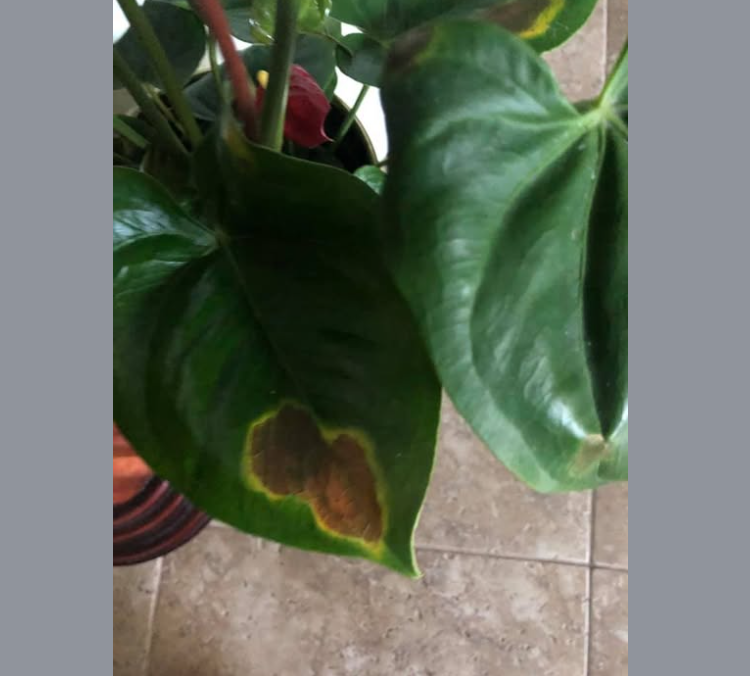
Accurate diagnosis is essential to apply the most effective treatment. Follow these steps to identify whether your Anthurium’s black spots are due to fungal infection, root issues, or environmental stress.
Cause 1: Fungal Infections
- Look for fuzzy, powdery, or moldy black spots that spread gradually.
- Check if the spots are accompanied by other signs like leaf yellowing, curling, or a musty smell.
- Fungal infections often appear on multiple leaves and spread rapidly in humid conditions.
Cause 2: Overwatering and Root Rot
- Examine the plant’s overall health: drooping or yellowing leaves, soft or mushy roots, or a foul smell from the soil.
- Black spots may be near the base of the plant or along leaf veins.
- Soil that stays wet for too long can be a giveaway.
Cause 3: Physical Damage or Environmental Stress
- Inspect for physical injuries caused by handling or nearby objects.
- Check for sunburn: black, dry edges on leaves after sudden exposure to direct sunlight.
- Dry, necrotic spots with crisp edges often indicate sun damage or temperature stress.
How to Tell Which One It Is
- Examine the spots closely: Are they fuzzy or powdery? Likely fungal.
- Check soil moisture: Is the soil soggy? Overwatering likely.
- Inspect roots: Gently remove the plant from its pot to check for rotting, brown, or mushy roots.
- Assess recent care routines: Have you exposed the plant to direct sunlight or sudden temperature changes?
Section 3: Treatment Solutions
Once you’ve identified the cause, you can take targeted action to treat your Anthurium effectively.
Immediate Actions to Take
- Isolate the plant: Prevent the spread of fungal spores or pests.
- Remove affected leaves: Use sterilized scissors or pruning shears to carefully cut away black spots or severely damaged leaves.
- Improve environmental conditions: Increase air circulation, reduce humidity if excessive, and avoid water splashing on leaves.
Long-term Treatment Plan
- Fungal infections:
- Apply natural fungicides like neem oil or a copper-based fungicide following the label instructions.
- For severe infections, consider using chemical fungicides as a last resort.
- Regularly spray the plant to prevent recurrence.
- Overwatering & Root Rot:
- Let the soil dry out slightly between waterings.
- Repot the plant into fresh, well-draining soil.
- Remove and discard any rotten roots using sterilized tools.
- Ensure the pot has drainage holes.
- Physical Damage & Sunburn:
- Move the plant to a location with bright, indirect light.
- Protect from direct sun, especially during the hottest parts of the day.
- Cover or shield the plant if sudden temperature changes are expected.
What to Expect During Recovery
- New healthy leaf growth signals recovery.
- The black spots will gradually fade or stop appearing.
- Overall plant vigor improves with consistent care and patience.
Section 4: Prevention Tips
Prevention is always better than cure. Maintain a healthy Anthurium by following these simple guidelines:
Care Routine Adjustments
- Watering: Water only when the top inch of soil feels dry. Avoid over-saturating the soil.
- Fertilization: Feed your plant with a balanced, water-soluble fertilizer every 6-8 weeks during the growing season.
- Leaf Care: Avoid water on leaves, especially during the late afternoon or evening.
Environmental Factors to Monitor
- Humidity: Anthuriums thrive in 60-80% humidity; use a humidifier if indoor air is dry.
- Airflow: Ensure good ventilation around the plant to prevent fungal buildup.
- Sunlight: Provide bright, indirect light. If natural light is limited, consider grow lights.
- Temperature: Keep the temperature between 65-80°F (18-27°C), avoiding cold drafts or sudden temperature drops.
Conclusion
Black spots on Anthurium leaves can be concerning, but with prompt diagnosis and proper care, they are entirely manageable. Remember, fungal infections, overwatering, and environmental stresses are common culprits, and each requires a specific approach to treatment. Rest assured—your plant can recover and thrive! Start by inspecting your Anthurium carefully, remove affected leaves, adjust your watering habits, and implement preventive measures today. With attentive care, your Anthurium will regain its vibrant, healthy appearance and continue to bring joy to your indoor space.
FAQ
Q: How long until I see improvement after treatment?
A: Typically, you can expect to see signs of recovery within 2-4 weeks. New healthy growth indicates the plant is healing. Continue with proper care and monitor regularly for new spots.
Q: Will my Anthurium fully recover from black spots?
A: With prompt and appropriate treatment, most Anthuriums can recover completely. However, severe or prolonged infections might leave scars or require ongoing management.
Q: Should I prune all affected leaves or just the spots?
A: It's best to prune only the severely affected leaves or those with extensive black spots. Use sterilized tools to make clean cuts, and avoid removing healthy tissue unnecessarily, as this can stress the plant.
Your Anthurium’s health is within your control. By understanding the causes, diagnosing accurately, and applying targeted treatments, you can keep your plant beautiful and resilient for years to come. Happy gardening!